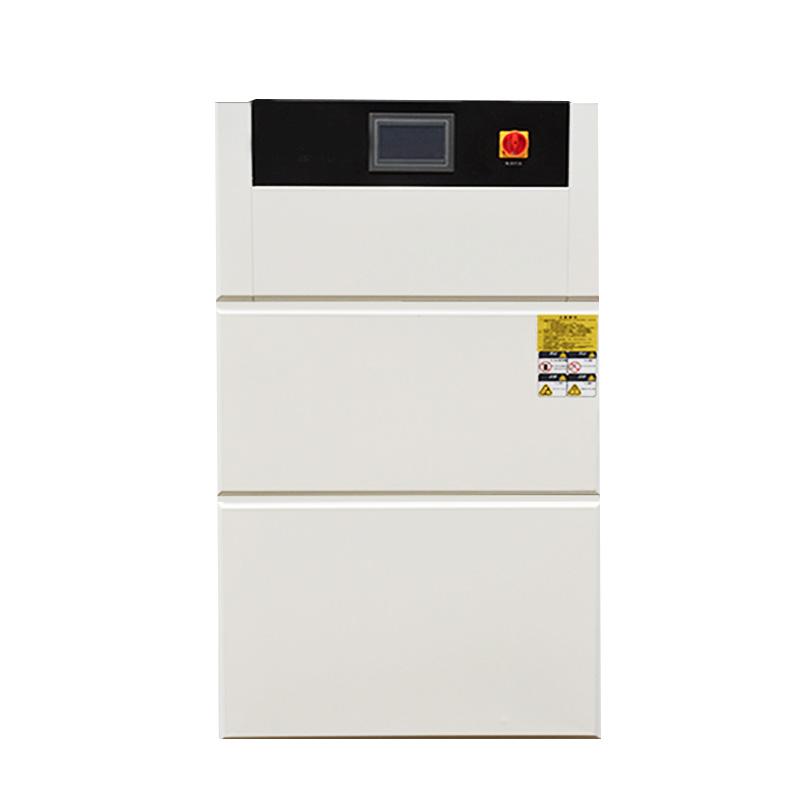
Coatings are subjected to repeated effects of sun, rain, cold and heat in outdoor environments, among which photooxidation and hydrolysis caused by sunlight and rain are important factors that cause coating aging.
Although the natural exposure test takes a long time, it is closer to the actual situation and is a very valuable test method. Place the test sample on the exposure rack, which is usually at 45° to the horizon and facing the equator, and the sample is placed no lower than 1m.
In addition to laying it obliquely at a certain angle, vertical planes and complex steel structures are also considered, and some test standards and methods are stipulated for this.
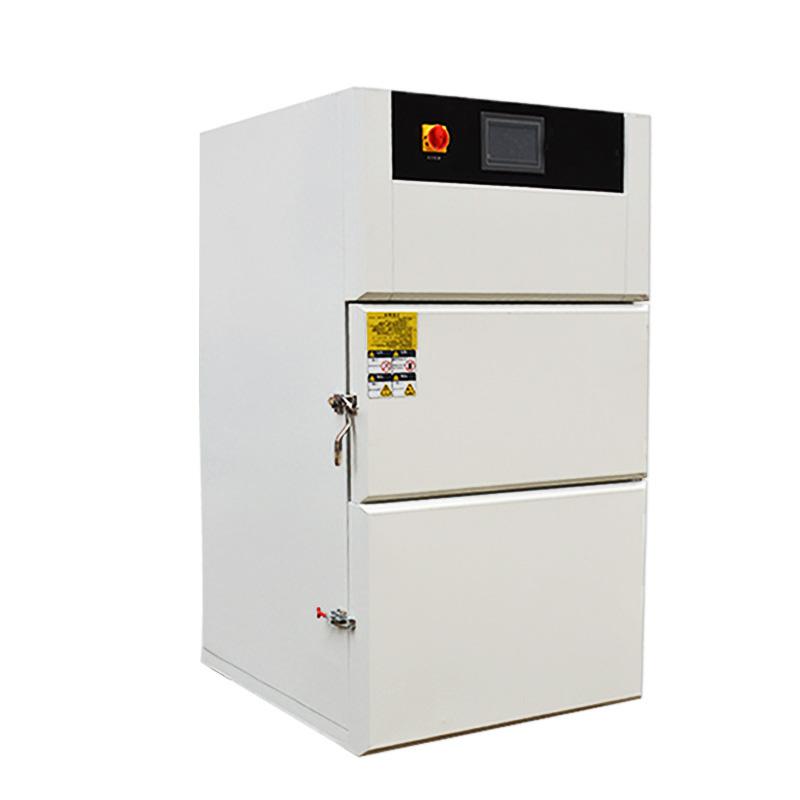
The area, season and annual climate of natural exposure will cause fluctuations in the test results, making them have certain differences. The southern part of Florida in the United States is a world-renowned coating sample exposure test site. The annual sample receives radiation of 6055MJ/m2, relative humidity of 79%, and temperature of 23°C. A 12-month exposure test is carried out, which is equivalent to a 36-month exposure test in Northern Europe.
In order to overcome the shortcomings of slow atmospheric aging and long time required, during natural exposure, the exposure frame is designed and developed so that the exposure frame can automatically track the rotation of the sun, let the sunlight directly shine on the sample, and is equipped with a reflector to enhance the light. In addition, a water spray pipe is installed on the sample rack to further accelerate the aging speed. The application of atmospheric aging testing machine is a major development trend in current and future atmospheric aging testing.