Determination of conductivity of soluble impurities in non-metallic abrasives for spraying
This method is a method for determining the total amount of soluble impurities in non-metallic abrasives for spraying according to ISO 11127-6:1993. It does not distinguish between different types of impurities that may be present. Among them, sodium chloride and sodium sulfate are commonly encountered soluble impurities. They have similar conductivities, so we do not consider their respective amounts when conducting conductivity tests, but assume that the existing contaminants are all chlorides.
Abrasives are acceptable if their conductivity is below 25mS/m (250pS/cm) when using this test method. Soluble salt contamination from spray-on abrasives is not harmful if it remains on the substrate surface after surface preparation. Every new abrasive needs to be tested, or it can be tested weekly. Recycled abrasives also need to be tested.
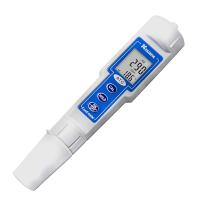
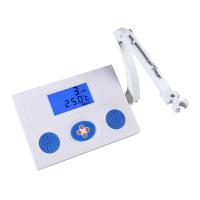
There are many types of conductivity meters for abrasive testing. In principle, any test range from 1 to 1000mS/m (10 to 10000uS/cm) can be used. A conductivity meter with automatic temperature compensation is recommended.

In order to ensure the accuracy of the test results, it is necessary to ensure that the instrument is clean, calibrated correctly, and follow the test procedures accurately before use. Sweat from hands is a common external contamination that can lead to false results. Therefore, rubber or plastic gloves should be worn during sampling, calibration and testing.
Generally, 100g is used as the sandblasting sample. However, since the test needs to be carried out twice, there may be a certain loss during carrying and use, so it is necessary to sample at least 200-300g, with a certain margin, and keep the sample in case there is any objection to the test results in the future. The samples taken need to be representative, so samples are taken from the abrasive used in the process, not from a standing pile or bulk abrasive. Samples should be placed in plastic sample bags to avoid polluting the environment. When the abrasive is in the bag only, samples should only be taken from the unopened bag. If there are multiple lot numbers, each lot number shall be sampled.
Certain models of conductivity meters need to be calibrated according to the manufacturer's instructions prior to use.
Before testing the conductivity of an abrasive sample, it is necessary to ensure that all instruments and equipment used in the test are clean. All glassware and probes need to be rinsed with deionized or distilled water before use, after each replicate and after the test.