Ambient temperature can affect the coating process. Solvent evaporation rate and replacement rate are also affected by ambient temperature. When the temperature is too low, the coating cannot dry and cure. When the temperature is too high, the coating cannot contact the surface well and flow, which brings difficulties to the formation of the film. The temperature range for effective painting is usually specified in the paint manufacturer's data sheet.
Ambient temperature has a great influence on painting, especially when using epoxy paint. Epoxy resin coatings, including tar epoxy and modified epoxy coatings, cure slowly below 10°C and almost stop curing below 5°C. Therefore, epoxy resin coatings are generally applied above 10°C. In case of low temperature, low temperature curing coating or insulation measures should be adopted.
When describing the temperature, three temperature concepts should be paid attention to when painting:
Substrate temperature
air temperature
paint temperature
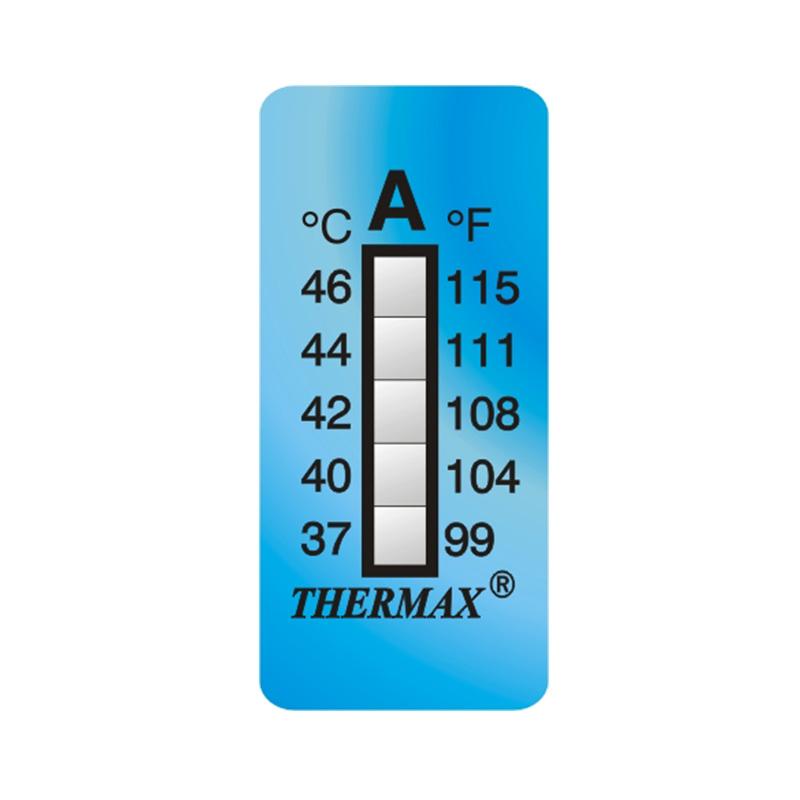
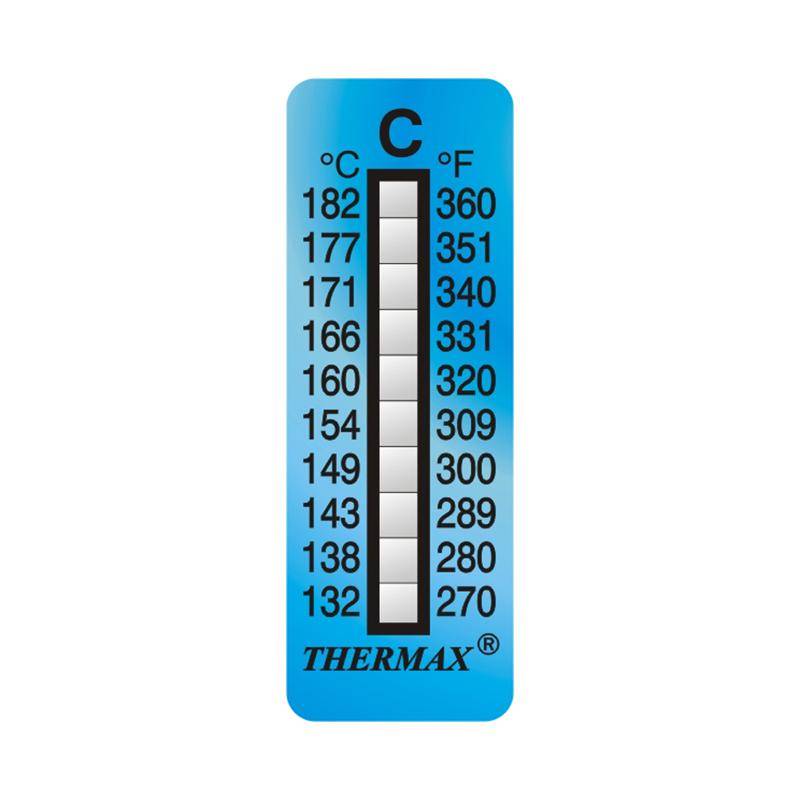
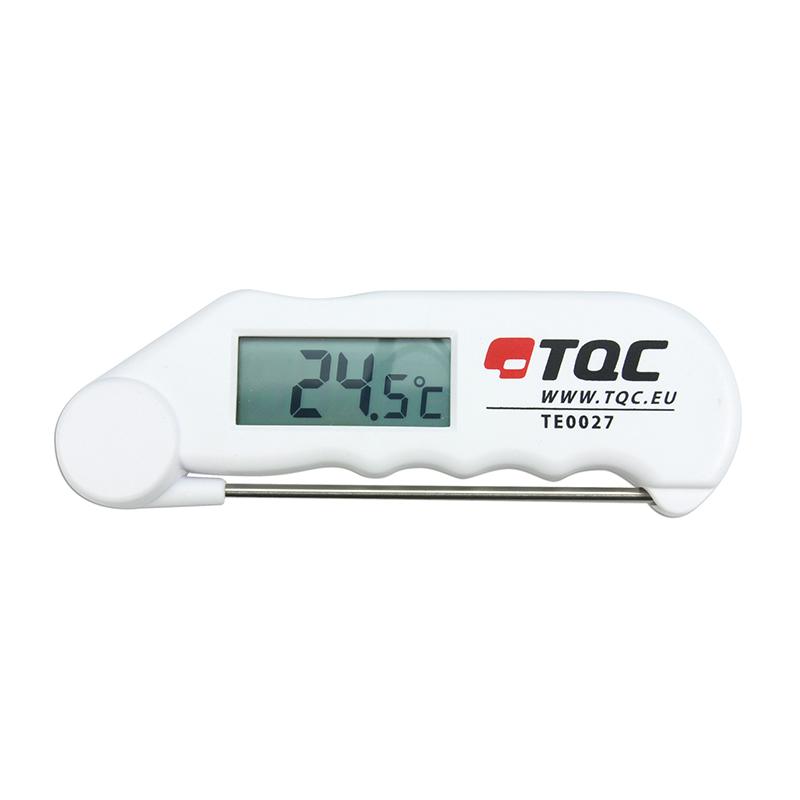
During coating construction, the temperature of the substrate should be emphasized, because the coating is applied on the substrate, and the drying and curing of the coating are greatly affected by the substrate. In sunlight, the air temperature is usually lower than the substrate temperature. The temperature of the substrate is too high or the solvent evaporates too fast, resulting in bubbles, pinholes, orange peel and other phenomena. The temperature of the substrate can be measured with a steel plate thermometer. The most commonly used ones are mechanical steel plate thermometers, and there are also electronic steel plate thermometers (which can read the temperature directly) and infrared thermometers.
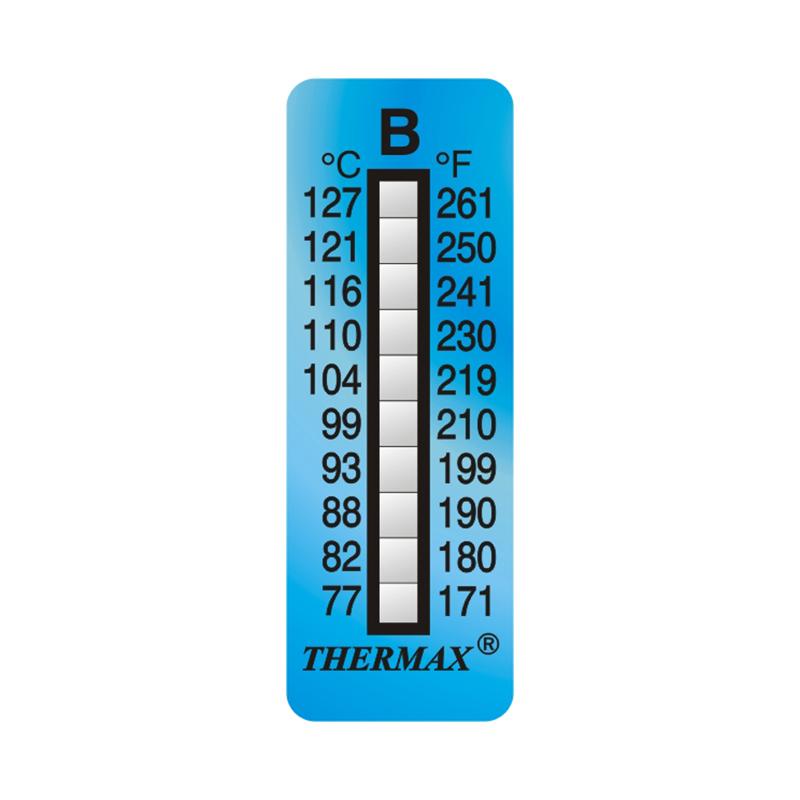
The temperature of the coating has a significant effect on the application of the coating. Proper coating temperature can obtain proper application viscosity and affect the drying and curing of the coating. Another example is epoxy paint. At low temperatures, the viscosity of the coating increases, making it difficult to apply properly. Paint manufacturers recommend that paints be used at temperatures above 15°C. Otherwise, additional thinners need to be added. However, when thinner is added, the solids content of the coating will be affected, which may result in less than specified film thickness or sagging.
If the temperature is too high, the mixing time of the chemically cured coating will be shortened, usually at 10°C, the mixing time will be cut in half. The construction time should be planned before construction to avoid waste caused by late use of paint.
If the temperature of the substrate is below freezing, during sunny nights and low temperatures, surface pores tend to form frost, which can adversely affect the coating. Ice is colorless and odorless, making it difficult to see with the naked eye. It is quite dangerous to paint at this time. So, even though the paint can be used in sub-zero temperature environments, be careful. It is safer to carry out construction in a sunny and good environment.