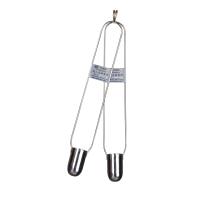
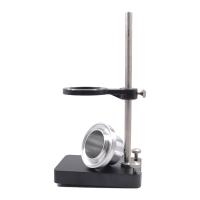
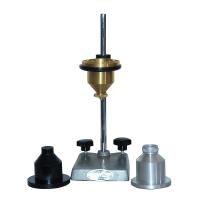
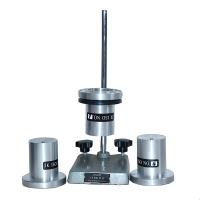
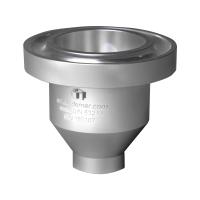
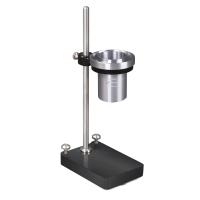
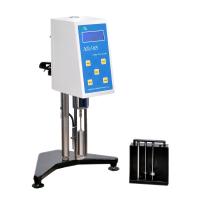
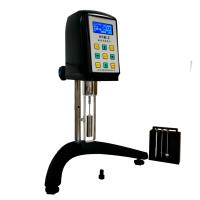
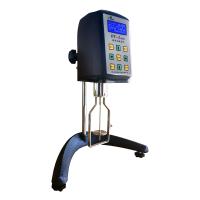
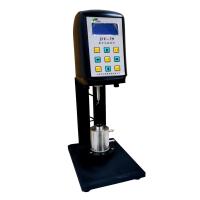
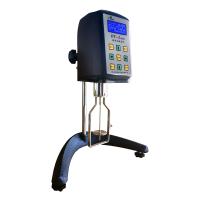
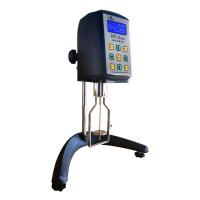
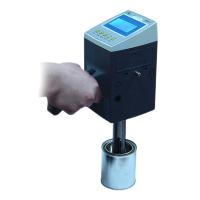
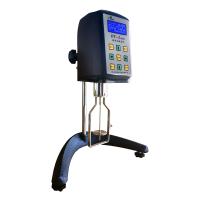
There are three methods for measuring the viscosity of interior and exterior wall coatings, namely, the IS0 Flow Cup method, the Rotational Viscometer method and the Stormer viscometer method. A commonly used model of the IS02431 Flow Cup is the size 4 cup.
Measuring the viscosity with the IS024314 cup is to determine the outflow time of the paint, which refers to the time elapsed from the moment when the paint sample starts to flow out from the outflow orifice of the filled Flow Cup to the moment when the flow stream starts to be interrupted, expressed in seconds (s).
Install the Flow Cup on the stand at a place where there is no air flow, and adjust the Flow Cup with a spirit level and the leveling screw on the stand to keep the upper edge level. Preset the Flow Cup and the sample in the test room at (23±0.5)°C, so that it is in balance with the environment. The sample should be free of air bubbles during the measurement.
Block the outflow hole with a finger, and pour the sample into the Flow Cup slowly to avoid air bubbles. When the Flow Cup is filled with a convex surface and overflows outward, use a straight-edged scraper or a glass rod to scrape along the upper edge of the cup to remove the air bubbles and convex surface in the sample, so that the horizontal surface of the sample is in line with the upper edge of the Flow Cup. In the same horizontal position, you can - measure. ·
Put an appropriate container (such as a 150ml beaker) under the outflow hole of the Flow Cup, and keep the distance between the outflow hole and the outflow hole at least 100mm, quickly remove your finger, and start the stopwatch at the same time, and wait for the moment when the liquid flow at the outflow hole is interrupted. Stop the stopwatch and record the outflow time, accurate to 0.5 seconds. The difference between the two measured values should not be greater than 5% of the average value. .