The light transmission properties of plastic films and rigid plastics are difficult to measure and define. According to current terminology, materials include terms such as clarity, total transmission, transparency, diffuse transmission, perspective resolution distance, opacity, haze, haze, translucency, hiding power, etc. In addition to this, several types of measurements . The portion of the transmitted light is forward scattered at an angle relative to the normal incident ray. Other methods determine the amount of resolution in an image formed by a particular object of sheet or film placed between the image and the object. These measurements describe the optical properties of materials in terms of their transmitted light.
What is opacity?
Opacity is the property of a substrate to resist the passage of light. This is calculated by measuring the percentage of light absorbed by a piece of paper. Simply by allowing a light source to pass through the material, the system measures the material's transmittance level from 0 to 100 units, which helps in calculating the material's percent opacity and percent transparency.
According to the standard, an opacity Tester is designed to measure opacity, which is the percentage . This transmission value has little to do with the visibility of distant objects seen through the sample.
Formula to Calculate Opacity
Material Opacity = 100% - Transmittance
For example, if the transmittance of the material is 25.6%, then the opacity of the material will be,
Opacity = 100% – 25.6% = 74.4%
One-stop solution for calculating the opacity of rigid plastics
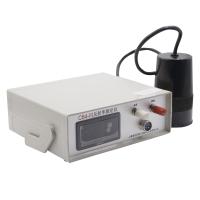
Many test instrument manufacturers supply high quality opacity Testers to plastic film and rigid plastic manufacturers. This instrument is used to measure the transmittance level of a material to calculate the opacity of the material. Testing equipment helps determine the quality of materials.