What is Corrosion?
Corrosion is the deterioration of materials (mainly metals) when they come into direct contact with the environment. According to studies and studies, manufacturers face huge direct costs of corrosion every year. On the other hand, the manufacturer incurs indirect costs due to sudden failure of products, delays in the production process, lawsuits, etc. , which are exactly equivalent to direct costs.
Factors Affecting Corrosion Rate
There are a range of various factors that directly affect the quality of the metal. These factors include
temperature
humidity
pollutants in the air or air pollution
brine
acid
Concentration differences across the metal surface
Metals are in direct contact with other metals.
There are more than one hundred known chemical elements, 80 of which belong to the category of metals. But some metals that are commonly found to corrode include copper, aluminum, iron, titanium, magnesium, and others. If we talk about iron, 90% of the metal ore is mined to extract iron as it is a cheap metal of high strength making it indispensable for various engineering applications such as machine tools, machine building, ship hulls, automobiles, building structural components wait. Besides that, if we add a lot of carbon to iron, it will double the strength of the iron. On the other hand, steel has a lower carbon content compared to cast iron.
Corrosion – a major problem with ferrous alloys
The main problem that arises with all types of ferrous alloys is corrosion. The many types of metals processed in different industries have a unique problem that can cause them to corrode. Therefore, different testing methods are used to determine the quality of metals and ferrous alloys. Some test methods are too time-consuming for routine use to monitor the effects of environmental conditions on metals.
Salt Spray Test for Corrosion Testing
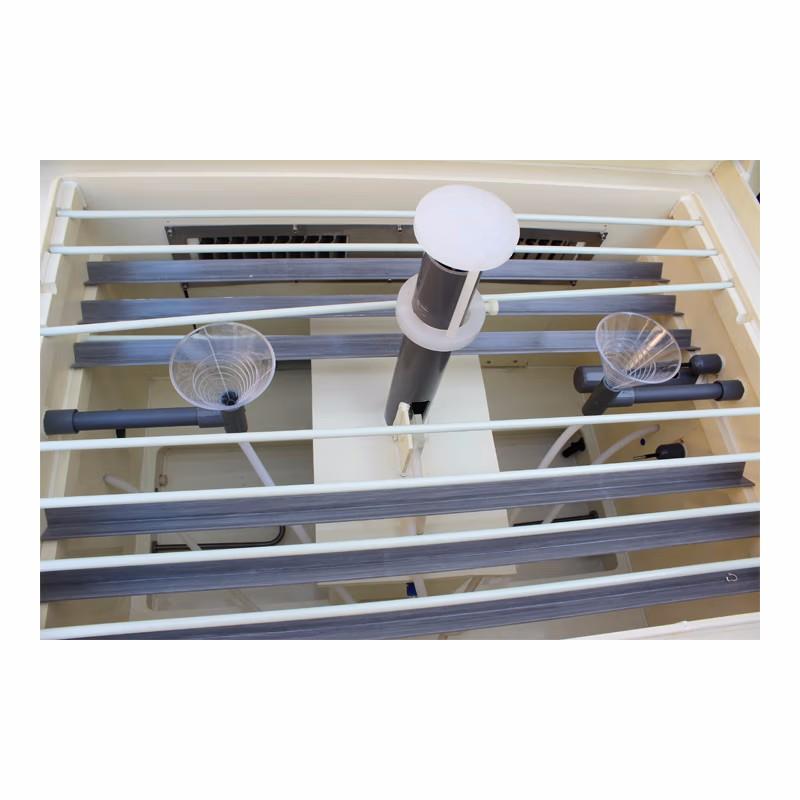
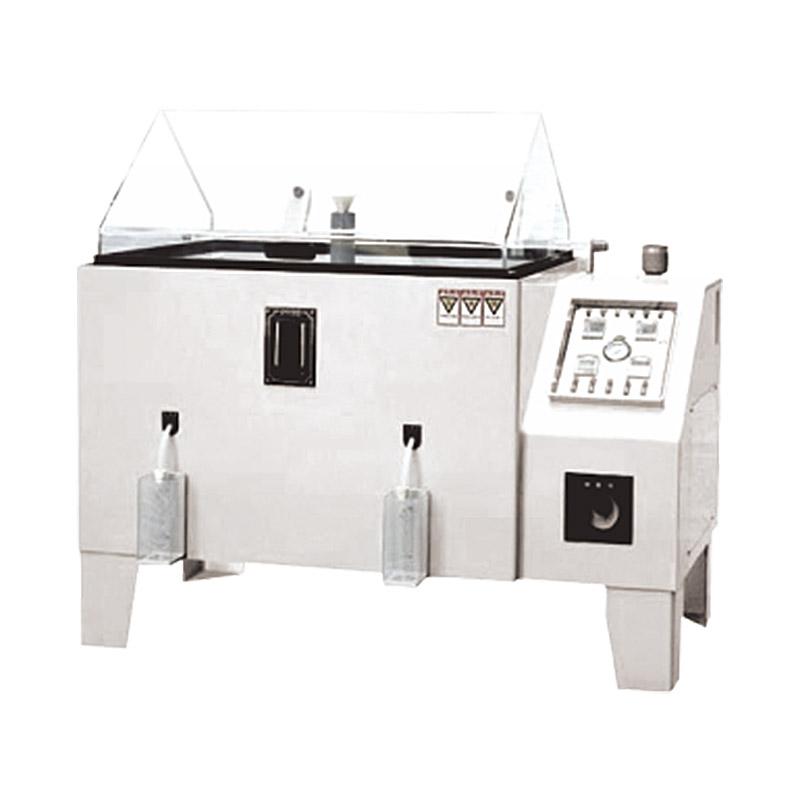
Salt spray testing is a highly standardized test method used to measure the corrosion resistance of coated samples when exposed to a corrosive environment . For salt spray testing, different corrosion chambers are used. These chambers are used to measure the strength, quality and lifespan of metals by exposing them to different environmental conditions.
Salt spray chambers or corrosion Test Chambers are widely used to perform salt spray tests, in which a salt solution is sprayed on the material through a nozzle to provide a saline environment for the sample. This creates a corrosive environment for the product and helps determine the quality of the material, the actual lifespan . The test sample can be exposed to a high appropriate volume of salt spray. Application of corrosion Test Chamber
In addition to the use of corrosion Test Chambers in the metal product manufacturing industry to determine the corrosion resistance strength of metals, these Test Chambers are also used to measure the quality of paints and coatings applied to metals. For example, in the automotive industry, different to give vehicles an elegant look. However, these coatings and platings face many challenges when they are subjected to different environmental conditions during their actual lifetime . To measure the strength and quality of paints and paints, salt spray tests are performed. This test helps to analyze the behavior of different types of coatings under different environmental conditions. To this end, the facility sets up different test conditions to determine the quality of electroplated zinc, nickel or steel components by keeping them tested for more than 72 hours.