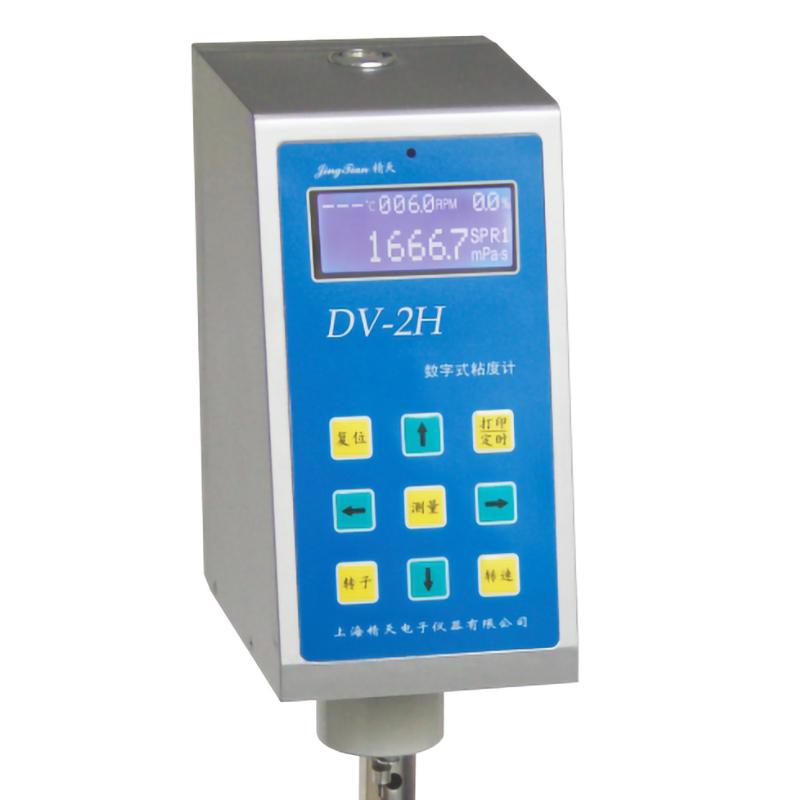
A rotary high temperature viscometer is an instrument used to measure the viscosity of liquids at high temperatures. When selecting a rotary high temperature viscometer, the following points and considerations need to be considered:
Selection points
Measuring range: Choose a rotary high temperature viscometer suitable for the range of the sample you need to measure. For example, if you need to measure the viscosity of a high-viscosity liquid, you need to choose an instrument with a higher measuring range.
Measuring temperature: High temperature viscometers need to measure the viscosity of liquids at high temperatures, so the maximum temperature range required needs to be considered. The instrument selected should be able to meet your temperature measurement needs.
Rotation speed: The rotation speed of the rotary high temperature viscometer has a great influence on the viscosity test results. Different rotational speeds are suitable for different liquid viscosity ranges. Therefore, you need to choose the appropriate speed according to the viscosity of the sample you want to test.
Spindle Type: Different spindle types are suitable for different liquid viscosity ranges. Typically, more viscous liquids require larger rotors. Therefore, it is necessary to choose the type of spindle that is suitable for the viscosity of the sample you want to test.
Stability and accuracy: The stability and accuracy of the instrument are also very important. Stable instruments provide consistent measurements, while accurate instruments reduce errors. Therefore, it is necessary to choose a stable and accurate instrument.
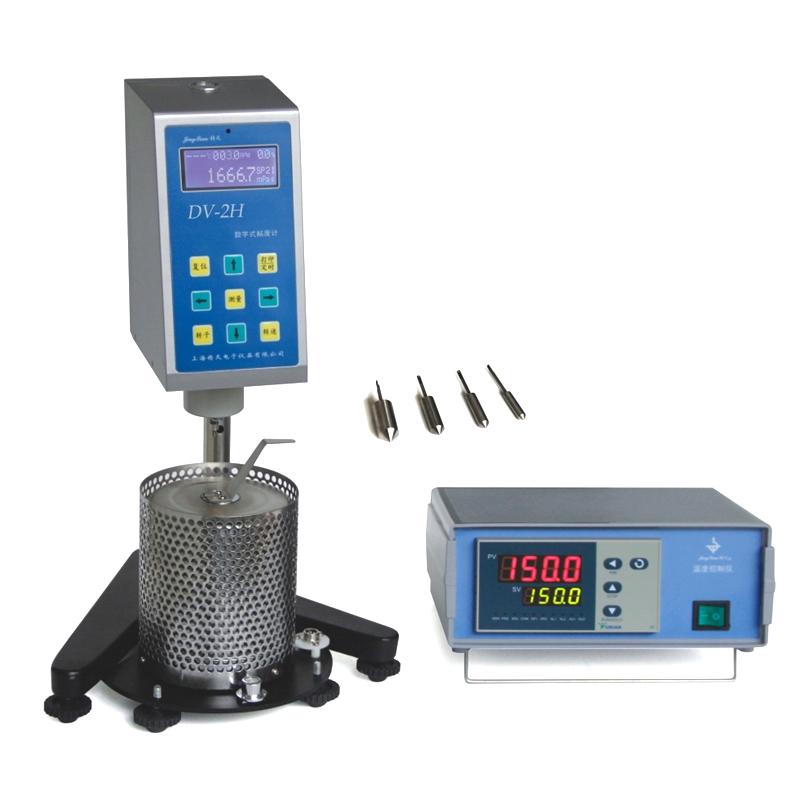
Precautions
The instrument needs to be warmed up to the correct temperature to ensure accurate measurements.
Use the correct rotor type, otherwise it may cause errors in the measurement results.
Calibration is required before measurement to ensure the accuracy of the instrument.
It is necessary to operate the instrument correctly according to the instructions for use, and avoid factors such as vibration and vibration that may affect the results during the measurement process.
The instrument needs to be cleaned after measurement to ensure the accuracy of the next measurement.