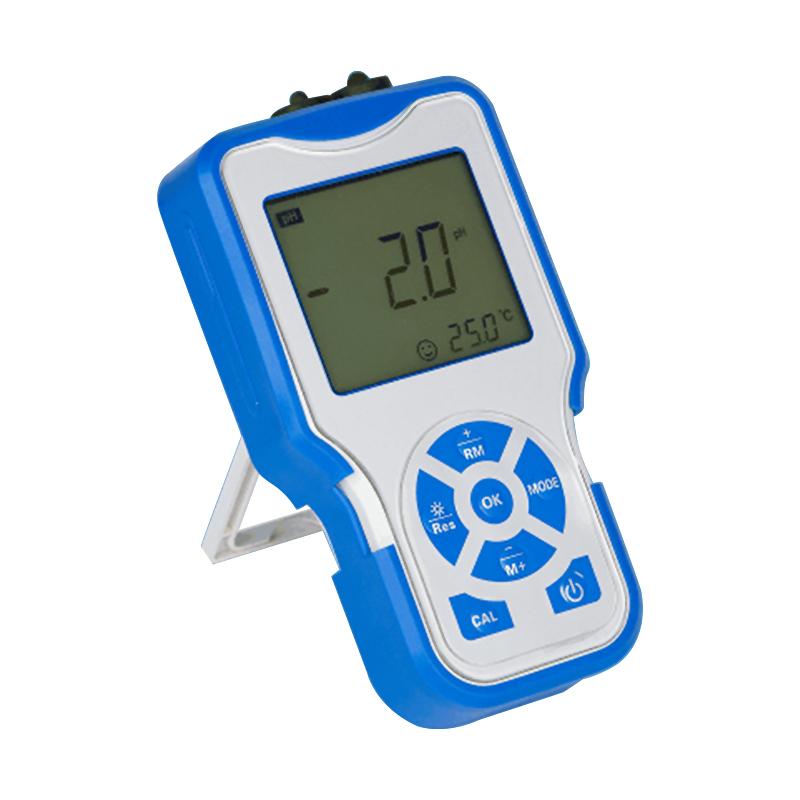
A conductivity meter is an instrument used to measure the conductivity of liquids, solutions and electrolyte solutions. The following are the key points and precautions for the selection of conductivity measuring instruments:
select points
1. Measuring range: Select a suitable measuring range according to your needs. Generally speaking, the measurement range of the conductivity meter is between 1μS/cm and 200mS/cm.
2. Accuracy: Select the appropriate accuracy according to the actual needs, usually the accuracy of the conductivity measuring instrument is within 0.5%.
3. Temperature compensation: conductivity is greatly affected by temperature, so it is necessary to choose a conductivity measuring instrument with temperature compensation function to ensure measurement accuracy.
4. Automatic temperature compensation: Choosing a conductivity measuring instrument with automatic temperature compensation function can reduce the workload of operators.
5. Electrode type: Choose different electrode types according to actual needs, such as glass electrodes, metal electrodes, etc.
6. Use environment: Choose a conductivity measuring instrument suitable for the use environment, such as waterproof, dustproof, etc.
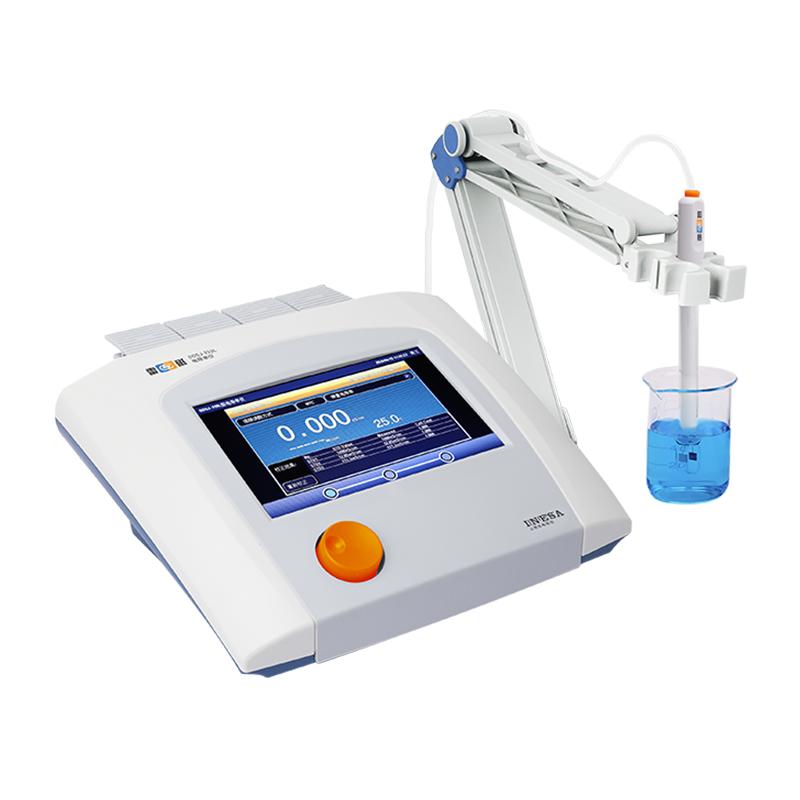
Precautions
1. Maintain the electrode: The electrode is the most critical part of the conductivity measuring instrument. It should be cleaned carefully before use and maintained after use.
2. Avoid drying: The electrode cannot be dried and needs to be stored in distilled water or maintenance solution.
3. Avoid force: the electrode cannot be subjected to strong mechanical force to avoid damage.
4. Avoid electrode contact with metal: the electrode cannot contact metal to avoid short circuit or damage.
5. Timely correction: timely correction according to the needs, so as to ensure the measurement accuracy.