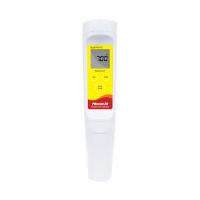
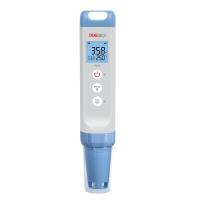
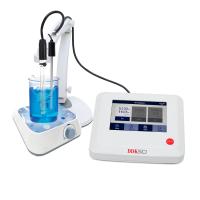
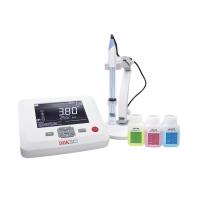
A benchtop pH meter is an instrument widely used in laboratory and industrial settings to measure the pH of solutions. It can help analysts quickly and accurately detect the acid-base properties of samples, and is widely used in life science, chemistry, environmental monitoring and other fields. When choosing and using a benchtop pH meter, you need to pay attention to the following points and precautions.
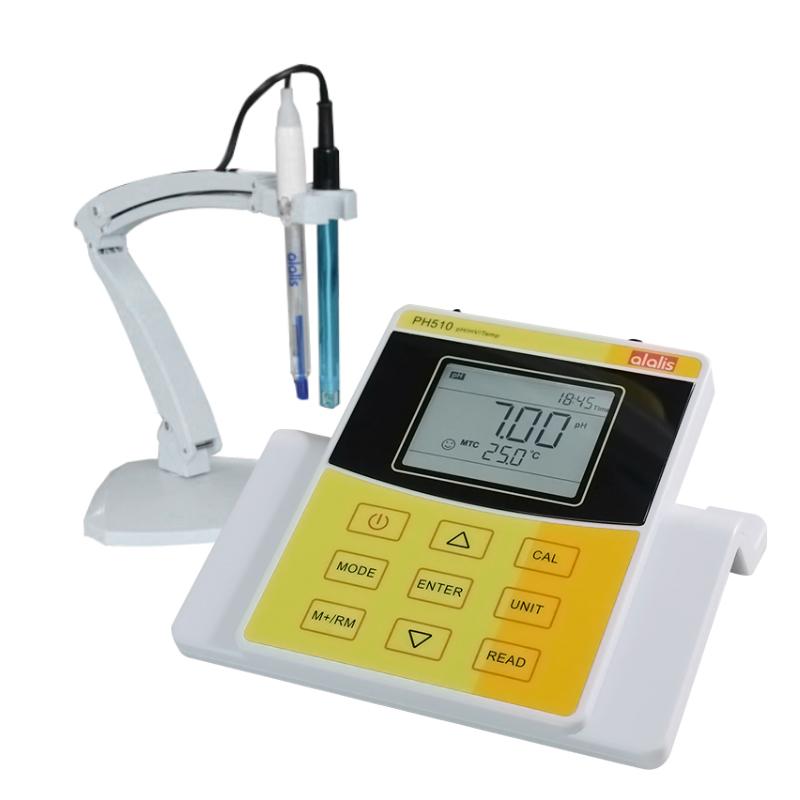
select points
Accuracy and Sensitivity: When selecting a benchtop pH meter, its accuracy and sensitivity need to be considered. In general, higher precision pH meters are more expensive, but also more accurate.
Reliability and durability: Consider the environment and sample type used, and choose a pH meter with high reliability and durability. Some pH meters are available in waterproof and dustproof designs for industrial and outdoor environments.
Display and Data Handling: Choose a pH meter that is easy to read and handle data. Some pH meters have features such as large-screen displays and digital outputs, which can help analysts to process data more conveniently.
Auto-calibration: Auto-calibration feature simplifies pH meter usage and improves accuracy.
Price: Choose a suitable benchtop pH meter according to your actual needs and budget.
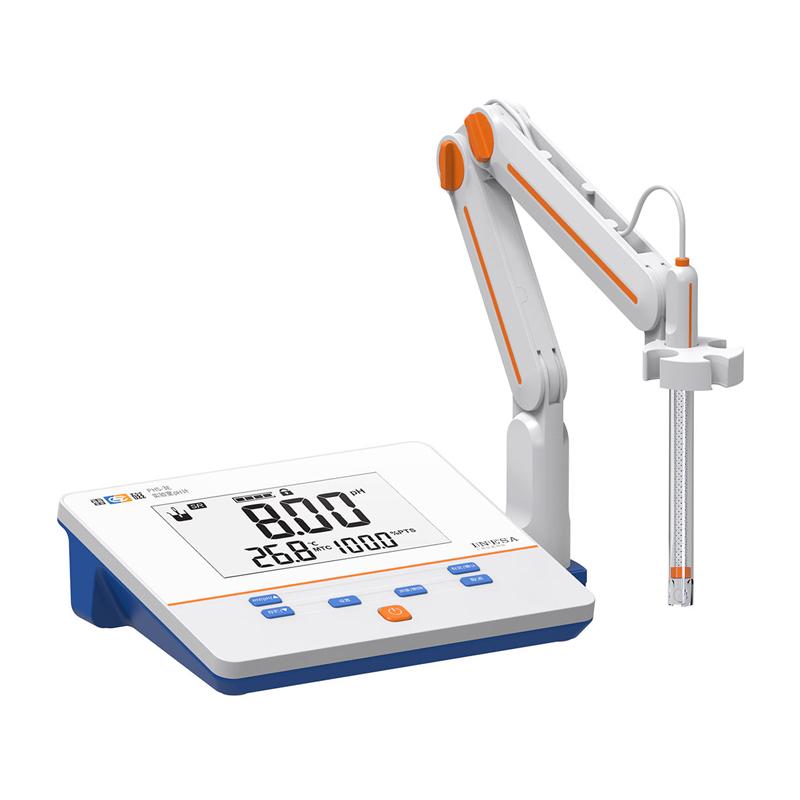
Precautions
The measuring electrode of the pH meter needs to be kept clean and moist, and needs to be washed with pure water and soaked for at least 30 minutes before use.
Before taking measurements, pH meters need to be calibrated. In general, calibration should be performed before measurement, and at least two standard buffer solutions should be used for calibration.
During use, avoid using substances such as strong acids, strong alkalis and organic solvents that may damage the pH meter.
During operation, do not touch the electrode to hard objects to avoid damage.
When storing the pH meter, care should be taken to avoid factors such as high temperature, direct sunlight and humidity that may affect the accuracy and life of the pH meter.
In summary, choosing and using a benchtop pH meter requires careful consideration of different points and considerations to ensure accuracy and reliability.