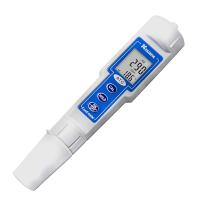
Digital conductivity meter is an instrument used to measure the conductivity of liquid or solution, it can measure the ion concentration and conductivity in liquid or solution. The following is a detailed introduction to the selection points and precautions of digital conductivity meters:
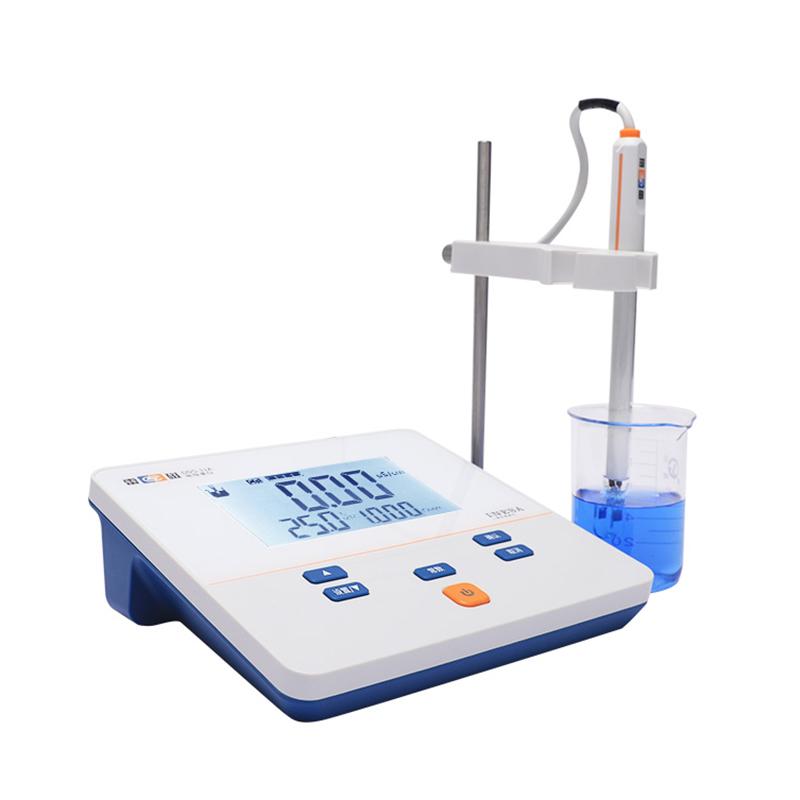
select points
Measuring range: First, select a digital conductivity meter whose measuring range matches the actual needs. Usually, the measuring range of conductivity ranges from 0.1 μS/cm to 200 mS/cm. The appropriate measurement range should be selected according to actual needs.
Accuracy: When choosing a digital display conductivity meter, its accuracy needs to be considered. The higher the accuracy, the more accurate the measurement result. The appropriate precision should be selected according to actual needs.
Electrodes: Digital conductivity meters need to be equipped with suitable electrodes. The electrode is one of the important factors affecting the accuracy of conductivity measurement. Different types of electrodes are suitable for different types of solutions and liquids. Therefore, the electrode type should be considered when selecting a digital conductivity meter.
Temperature compensation: The conductivity is different at different temperatures, so when choosing a digital conductivity meter, it is necessary to consider whether it has a temperature compensation function. Some high-end digital display conductivity meters have automatic temperature compensation function, which can improve the measurement accuracy.
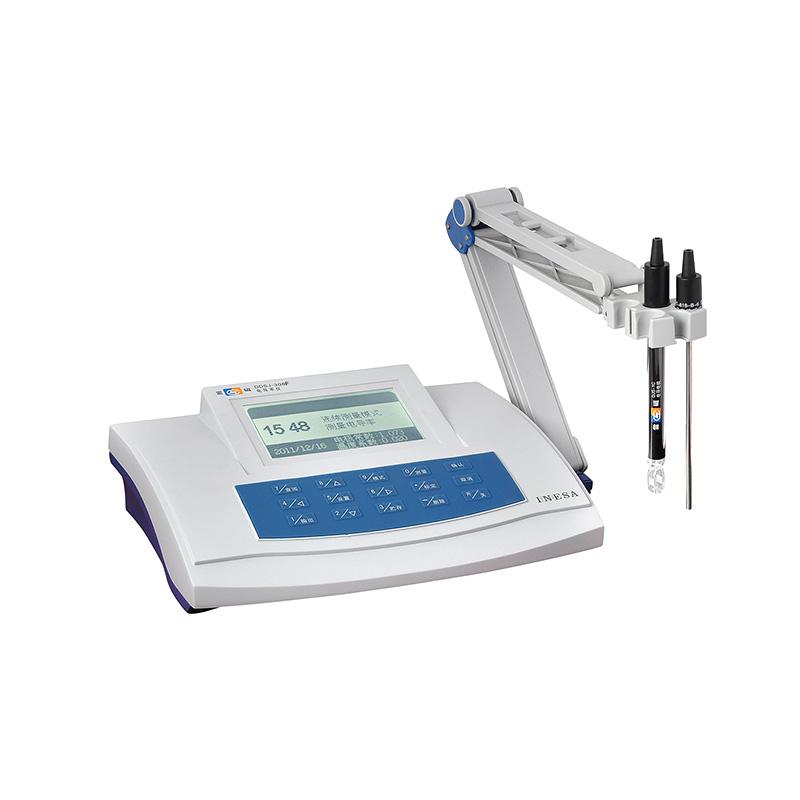
Precautions
Electrode maintenance: The electrode is one of the important factors for the measurement accuracy of the digital display conductivity meter, so the electrode should be cleaned and calibrated regularly to ensure its measurement accuracy.
Calibration: The digital display conductivity meter needs to be calibrated regularly to ensure the accuracy of the measurement results.
Operating environment: The digital display conductivity meter should be placed in a dry and clean environment to avoid interference to the instrument.
Liquid state: The state of the liquid may affect the measurement results of the conductivity, and attention should be paid to the temperature and stirring state of the liquid.
Maintenance: The digital display conductivity meter requires regular maintenance, including cleaning the instrument and replacing electrodes.