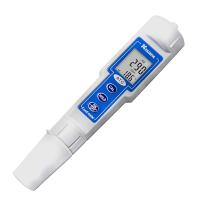
The Pen Conductivity Tester is a portable instrument for measuring the conductivity of solutions. The following is a detailed introduction to the selection points and precautions of the pen-type conductivity Detector.

select points
Measuring range: different types of pen-type conductivity Detectors have different measuring ranges, and it is necessary to select a suitable measuring range according to actual needs.
Measurement accuracy: Measurement accuracy is an important indicator to measure the quality of the pen-type conductivity Detector. When selecting, you should pay attention to the requirements of measurement accuracy to meet the actual measurement needs.
Automatic temperature compensation function: Temperature has a great influence on conductivity. Some high-end pen-type conductivity Detectors have automatic temperature compensation function, which can automatically correct measurement errors during the measurement process and improve measurement accuracy.
Electrode type: The electrode type of the pen type conductivity Detector is different, including glass electrode, diatomite electrode, plastic electrode, etc., and the electrode type suitable for different solutions should be selected.
Convenience of use: As a portable instrument, the pen-type conductivity Detector should pay attention to choose a model with small size, light weight and easy operation.

Precautions
Before operation, check whether the electrode is clean to avoid residues from interfering with the measurement results.
During the measurement process, attention should be paid to the position and depth of the electrodes to avoid measurement errors.
The temperature of the measurement solution should be the same as the temperature of the electrode calibration, otherwise it will affect the measurement accuracy.
Clean the electrode and store the instrument in time after use to ensure the accuracy and reliability of the next use.
Keep the stability and precision of the instrument, do not bump or drop the instrument.