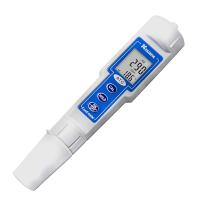
Waterproof conductivity meter is an instrument used to measure the conductivity of solution, which is widely used in water treatment, environmental monitoring, food processing and other industries. The following is a detailed introduction to the key points and precautions for selecting a waterproof conductivity meter:
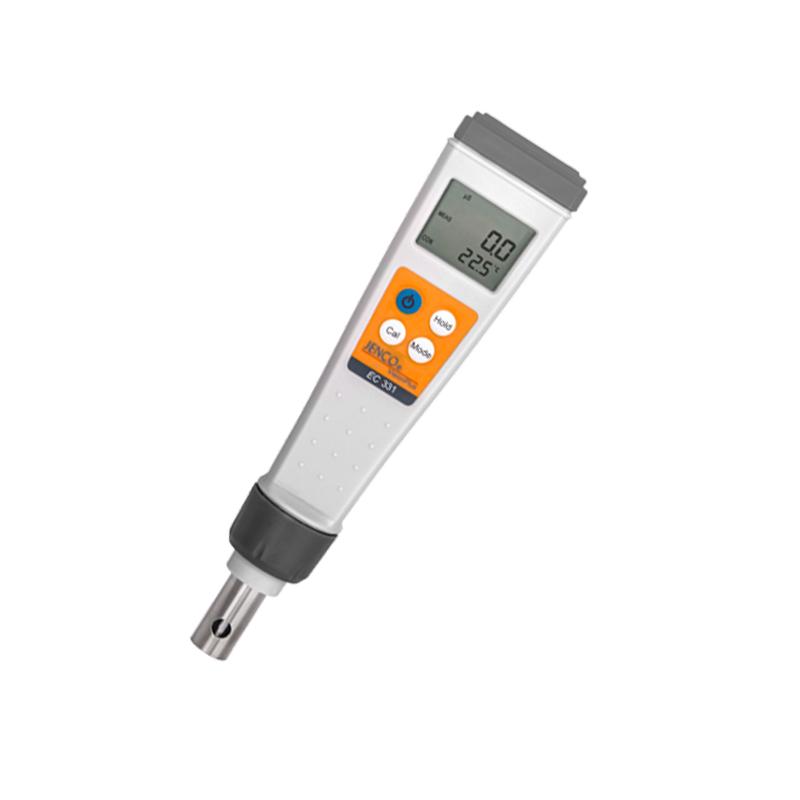
select points
Measuring range: Different waterproof conductivity meters have different measuring ranges, and it is necessary to choose a suitable instrument according to specific application requirements.
Accuracy and resolution: A high-precision waterproof conductivity meter can provide more accurate measurement results, and at the same time, the resolution will also affect the accuracy of the measurement results.
Automatic temperature compensation: As the temperature changes, the conductivity will also change, so some waterproof conductivity meters have automatic temperature compensation function, which can provide more accurate measurement results.
Display screens: Some high-end waterproof conductivity meters have backlit display screens for easy viewing of measurements in low-light conditions.
Data storage and transfer: Some waterproof conductivity meters have a data storage and transfer function, which can save the measurement results to internal memory or transfer them to a computer via a USB port for further analysis.
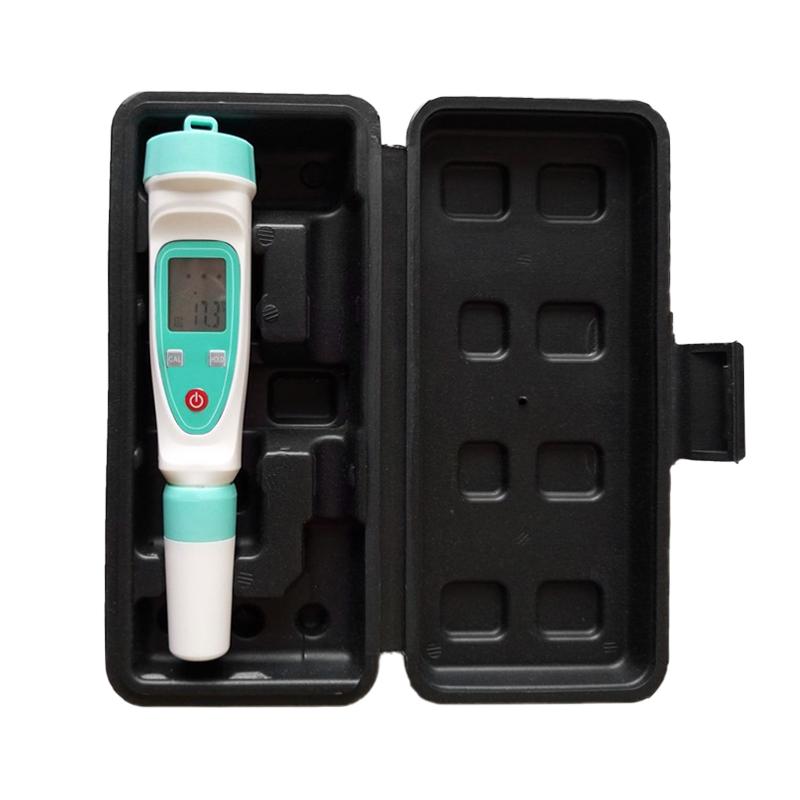
Precautions
Waterproof level: Waterproof conductivity meters have different waterproof levels. It is necessary to choose the appropriate waterproof level according to the actual use, so as to ensure that the instrument will not be damaged by water erosion.
Calibration: Waterproof conductivity meters need to be calibrated regularly to ensure the accuracy of the measurement results.
Cleaning and maintenance: The waterproof conductivity meter needs to be cleaned and maintained regularly to ensure the stability and accuracy of the instrument.
Operating environment: Waterproof conductivity meters need to be operated in a suitable environment to avoid being affected by environmental factors such as high or low temperature and humidity.
Range of use: The waterproof conductivity meter needs to be operated within its specified range of use to avoid damage to the instrument caused by exceeding its range of use.