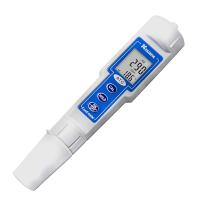
The digital display conductivity meter is an instrument used to measure the conductivity of water. Conductivity is one of the indicators of electrolyte solubility in water, and an important parameter to measure the salt content, total dissolved solids, and water quality in water. The following will introduce the selection points and precautions of the digital display conductivity meter in detail.

select points
Measuring range: According to actual needs, select the corresponding measuring range, the common conductivity measuring range is 020mS/cm, 0200mS/cm, 0~2000mS/cm, etc.
Accuracy: Accuracy is one of the key indicators for evaluating the quality of a conductivity meter. Usually, the accuracy requirement is ±1%~±2% of the measured value.
Automatic temperature compensation: temperature is one of the factors affecting conductivity measurement, so choosing a conductivity meter with automatic temperature compensation function can improve measurement accuracy.
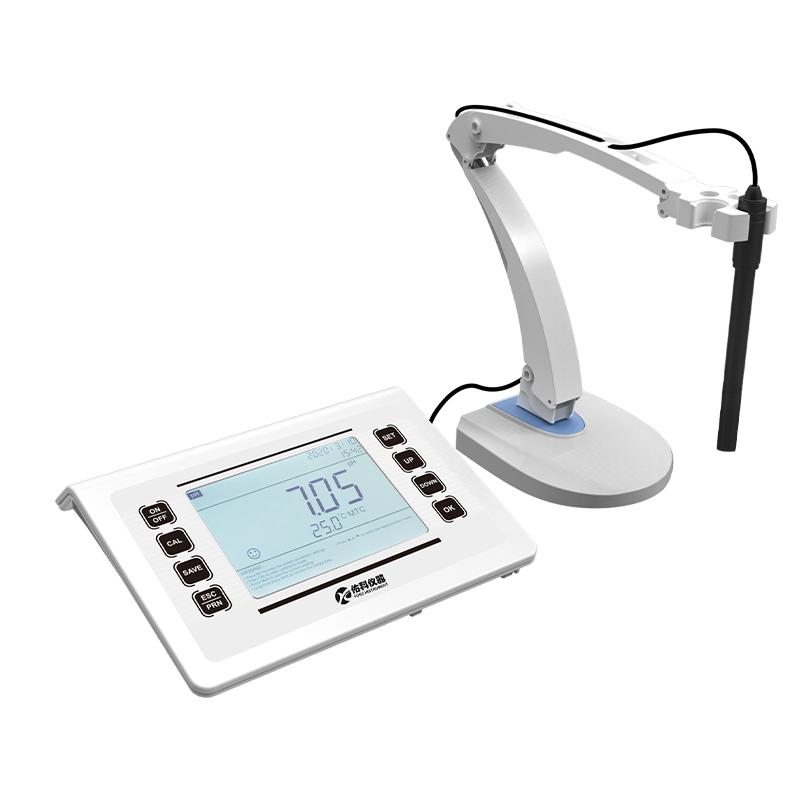
Display: The digital display conductivity meter can directly digitize and display the measurement results. Selecting the appropriate digital display range and resolution can facilitate reading.
Electrode: The quality of the electrode of the conductivity meter also has a certain impact on the measurement result, so choosing a high-quality electrode can improve the accuracy and stability of the measurement.
Precautions
It should be calibrated before use to ensure the accuracy of the measurement results.
When using the electrode, attention should be paid to the cleaning and maintenance of the electrode surface so as not to affect the measurement accuracy.
When using, operate according to the instructions to avoid damage or inaccurate measurement results caused by misuse.
When storing and using the conductivity meter, avoid high temperature, humidity and other environments to ensure its long-term stability.
Regular maintenance and overhaul of the conductivity meter ensures its normal operation and accuracy.