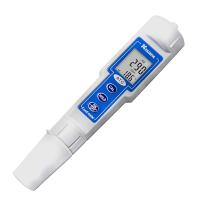
The pen-type conductivity meter is a portable conductivity measuring instrument, which is usually used to measure the conductivity of water quality, soil, food and other samples on site. The following is a detailed introduction to the selection points and precautions of the pen-type conductivity meter:
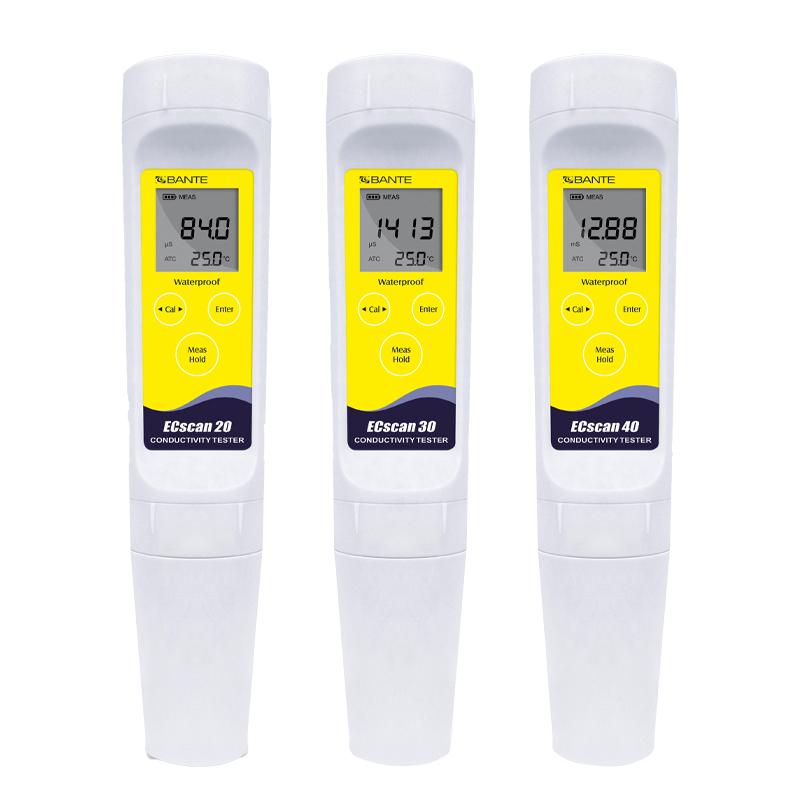
select points
Measuring range: Select the instrument according to the conductivity range of the sample to be measured, which can usually be divided into three ranges: low, medium and high. The required measurement accuracy and resolution should be considered when selecting.
Accuracy: Conductivity meters of different brands and models have different precisions. Generally, instruments with higher precision should be selected to ensure the accuracy of measurement results.
Display mode: some instruments are equipped with LED or LCD screens, which can display the measurement results intuitively, while some instruments only have indicator lights, which should be selected according to actual needs.
Automatic temperature compensation function: temperature has a certain influence on the measurement results of conductivity, so whether the instrument has automatic temperature compensation function should be considered when selecting to ensure the accuracy of measurement results.
Battery life: You should pay attention to battery life when choosing, generally speaking, the longer the battery life, the longer the service life.
Ease of operation: When choosing, you should consider the ease of operation of the instrument, whether it is easy to carry and use.
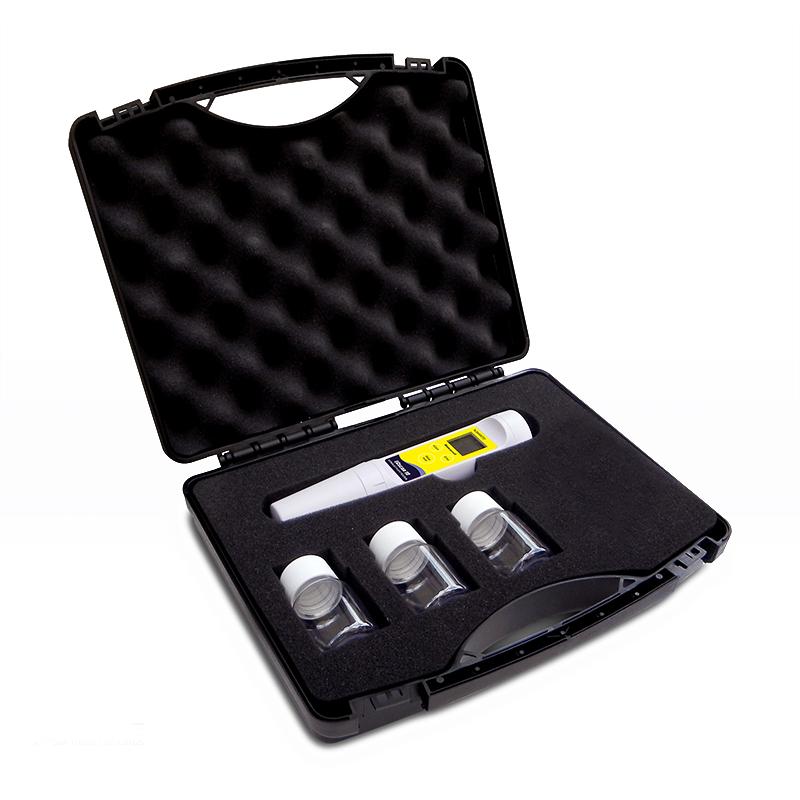
Precautions
Make sure the battery of the pen-type conductivity meter is fully charged and calibrate the meter before use.
During the measurement, attention should be paid to the good contact between the instrument and the sample to avoid the influence of interfering factors.
After the measurement, the instrument should be cleaned and disinfected in time to ensure the accuracy and sanitation of the next use.
The measurement accuracy of the pen-type conductivity meter is low, and it is only suitable for simple conductivity measurement. If you need higher-precision measurement requirements, you need to use other types of conductivity meters.