The desktop redox Tester is an instrument used to detect redox potential in water, sewage, groundwater, drinking water and other water bodies. The following are the key points and precautions for the selection of benchtop redox Testers:
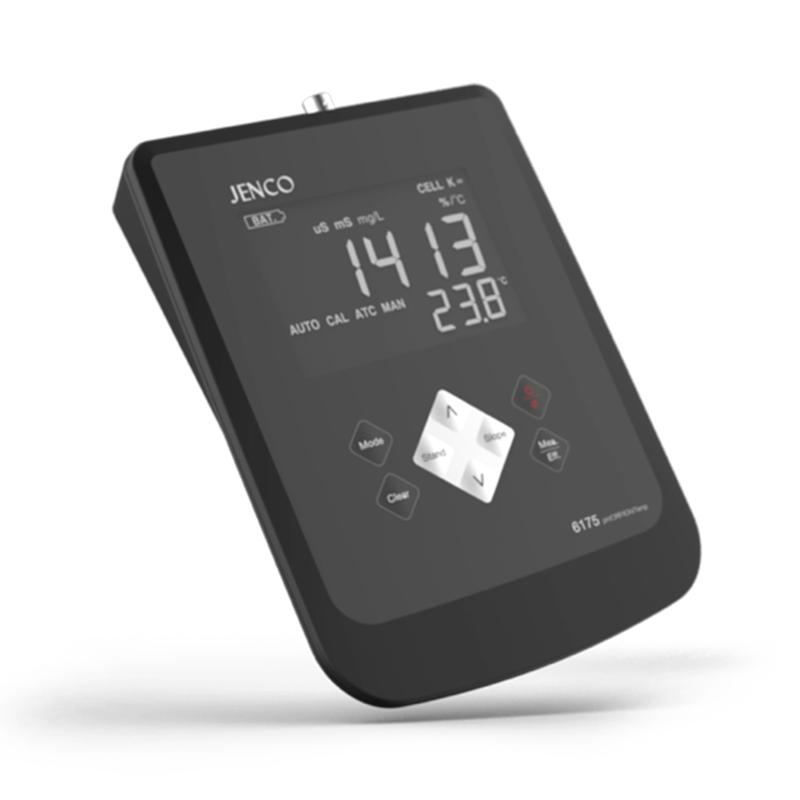
select points
Detection range: According to actual needs, select the appropriate detection range, usually -1999mV to +1999mV.
Accuracy: Selecting a Tester with high precision can improve the accuracy of test results, and the common accuracy is ±1mV.
Electrode type: Select the appropriate electrode type according to different test samples, common ones are glass electrodes, platinum black electrodes, etc.
Automatic temperature compensation: Choose a Tester with automatic temperature compensation function, which can reduce the influence of temperature on test results at different temperatures.
Data storage: Choose a Tester with data storage function, which can conveniently record test results, and usually has the function of storing 100 sets of data.
Display screen: Choose a Tester with a large screen, which can display the test results more clearly and facilitate observation.
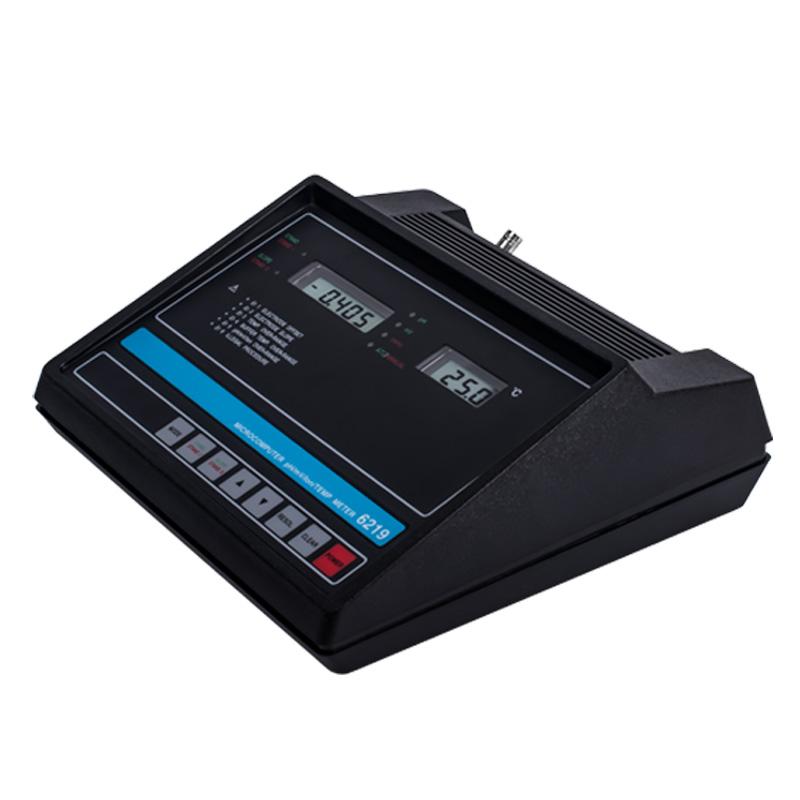
Precautions
Calibration before measurement: Before the actual test is performed, the instrument should be calibrated to ensure the accuracy of the test results.
Pay attention to temperature: temperature has a great influence on the test results, and the sample should be kept at a suitable temperature before testing.
Electrode Maintenance: The electrode is an important part of the Tester and should be cleaned and maintained regularly to ensure the accuracy of the test results.
Prevention of pollution: During the test process, care should be taken to prevent contamination of the sample to avoid affecting the test results.
Storage conditions: When storing the Tester for a long time, it should be stored in a dry, ventilated, and non-corrosive gas environment to avoid moisture and corrosion.
