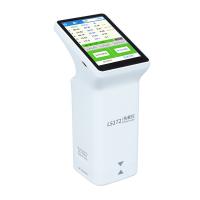
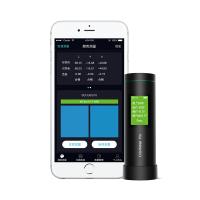
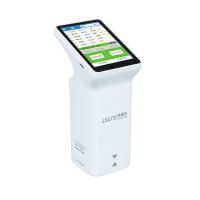
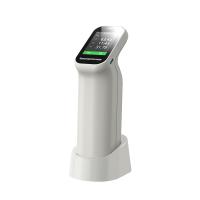
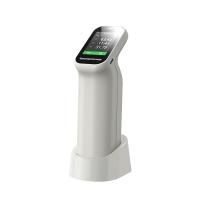
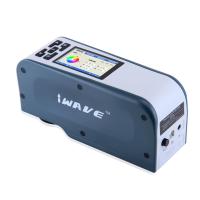
Dye color difference meter is an instrument used to measure color difference, which is widely used in textile, printing and dyeing, plastic, paint, printing and other industries. The following is a detailed introduction to the selection points and precautions of the dye color difference meter.
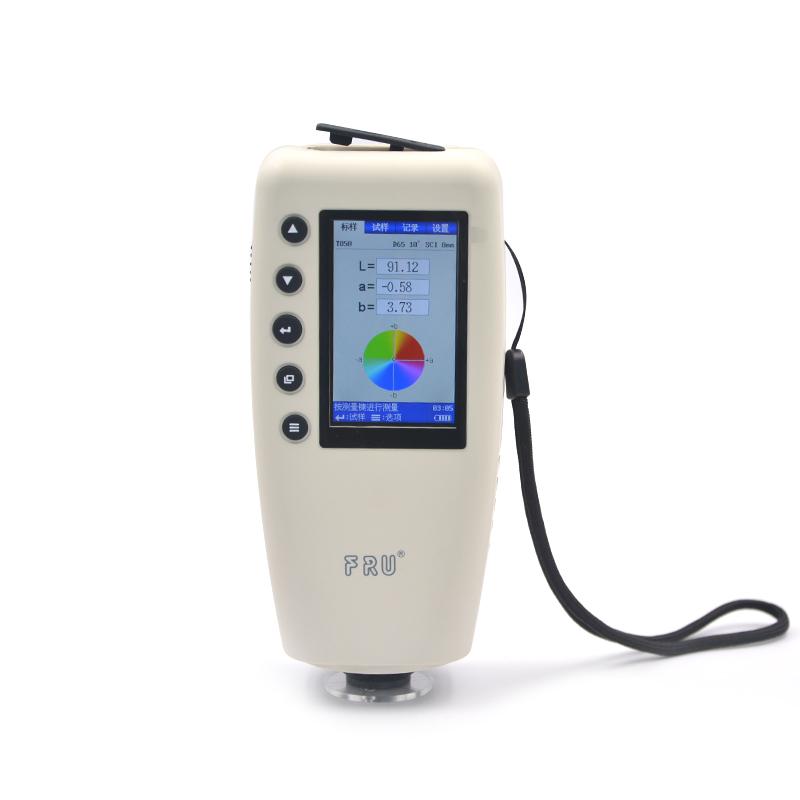
select points
Measuring range: Different models of dye Colorimeters have different measuring ranges, so you should choose according to your own needs. Generally, the appropriate measurement range can be selected according to the parameters such as the color shade, brightness and saturation of the sample.
Accuracy: Accuracy is an important index to evaluate the performance of dye Colorimeter. A high-precision dye Colorimeter can provide more accurate data. Usually, the higher the precision requirement, the higher the grade of the selected dye Colorimeter.
Light source type: Different light source types have a great influence on the color measurement results. D65 light source is the most widely used light source type, which can provide a relatively uniform spectrum. Some dye Colorimeters will also be equipped with other types of light sources, such as TL84, CWF, etc.
Standard observation angle: The observation angle is different under different standards, and the appropriate standard should be selected according to the different needs of the measurement object.
Measurement conditions: In actual measurement, attention should be paid to the influence of temperature, humidity and other measurement conditions on the measurement results. The dye color difference meter generally requires measurement under constant temperature and humidity conditions.
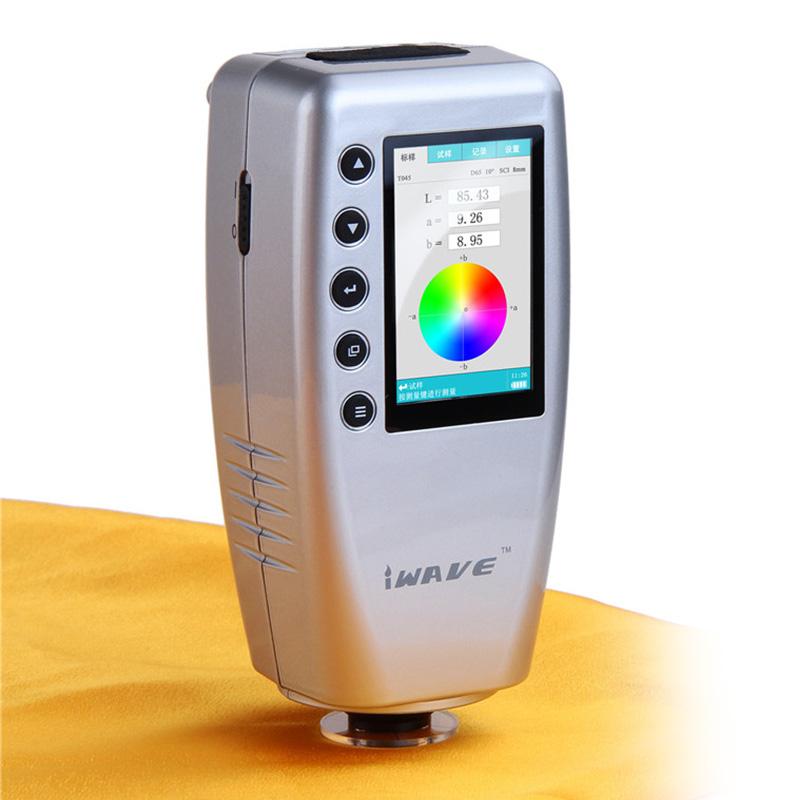
Precautions
Operators need to undergo professional training, master operational skills, and perform regular calibration and maintenance to ensure the accuracy and stability of the instrument.
The instrument should be warmed up before measurement to make it reach a steady state.
Before measuring, the instrument should be calibrated with the standard color plate to ensure the accuracy of the measurement.
When measuring, strong light exposure and background interference should be avoided to avoid errors in color difference results.
The same measurement conditions should be used during measurement, such as temperature, humidity, etc., to avoid the influence of environmental conditions on the measurement results.