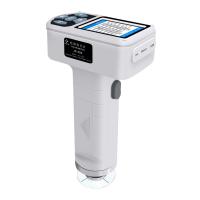
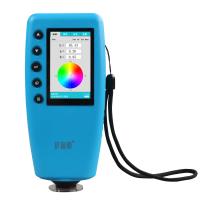
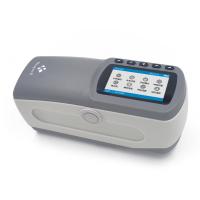
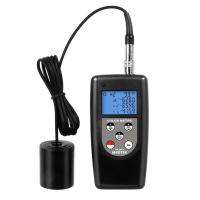
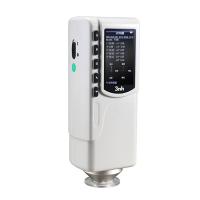
A textile color difference meter is an instrument used to measure the color difference of textiles, and usually includes components such as a luminance meter, a Colorimeter, and a color rendering lamp. The following will introduce the selection points and precautions of the textile color difference meter in detail.
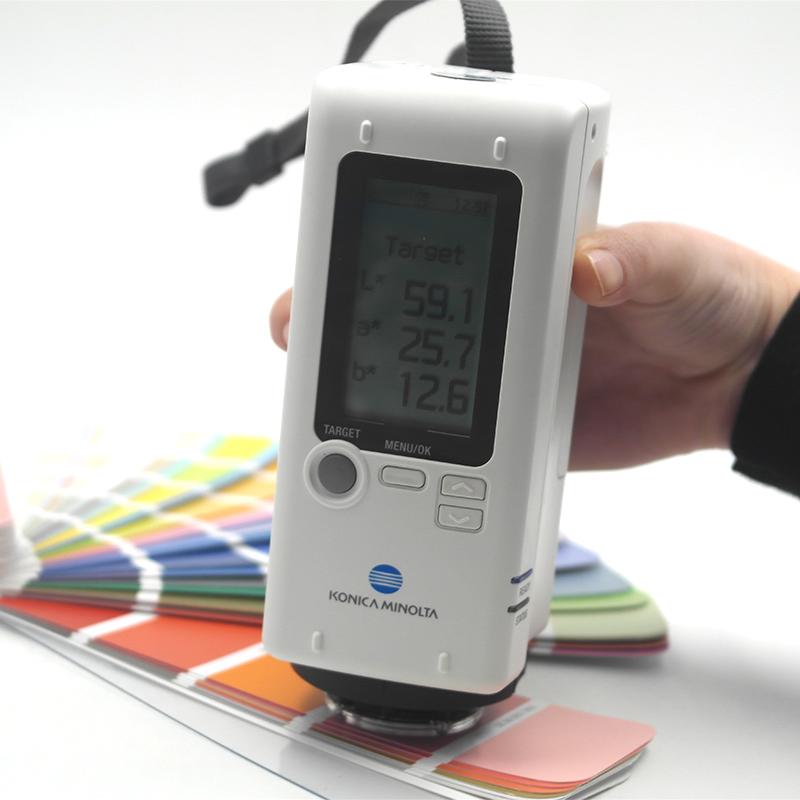
select points
Measuring range: Different textiles require different ranges of Colorimeters to measure, so it is necessary to choose an appropriate measuring range according to actual needs. Three-in-one or two-in-one models that measure luminance, chromaticity and color difference are usually available.
Accuracy: The slight difference in the color of textiles requires high-precision instruments to measure. Generally speaking, the higher the accuracy, the higher the price of the instrument.
Applicable standards: Different countries and regions have different standards for measuring the color difference of textiles, and it is necessary to select the appropriate instrument according to the standards of the region.
Ease of operation: Textile color measurement usually requires multiple measurements, so it is necessary to choose an instrument that is easy to operate and easy to use.
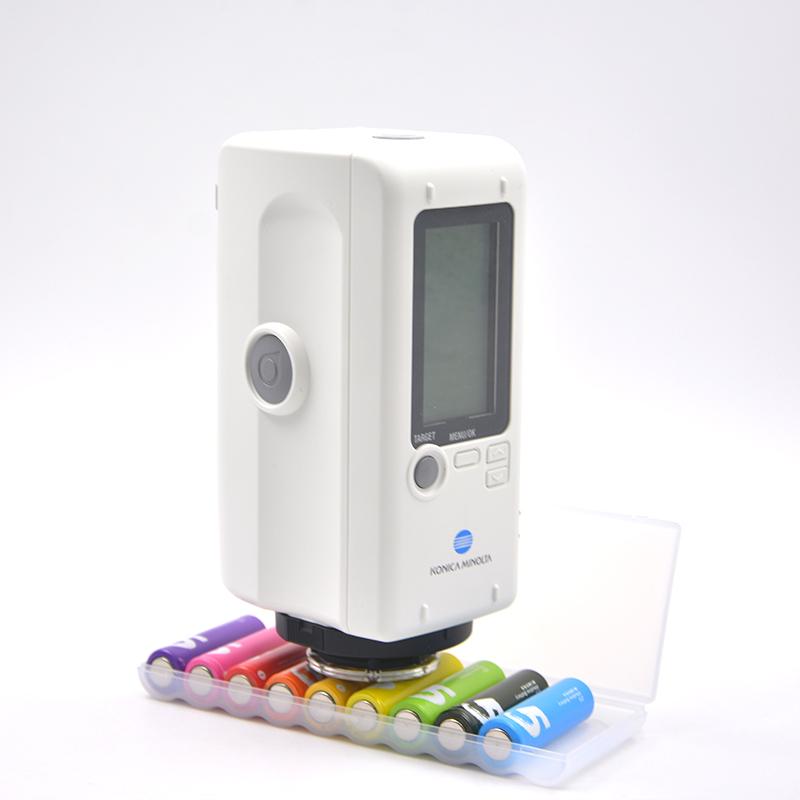
Precautions
Ambient temperature and humidity will affect the measurement results, and the measurement needs to be carried out in a constant temperature and humidity environment.
Instruments need to be calibrated prior to measurement to ensure accuracy and precision.
During use, care should be taken to prevent dust and other pollutants from entering the instrument and affecting the measurement results.
Clean and maintain the instrument in time after use to ensure its long-term stability and service life.