A precision constant temperature oven is a device used in laboratories, manufacturing, and processing to heat and hold materials at a controlled temperature. The following are the key points and precautions for choosing a precision constant temperature oven:
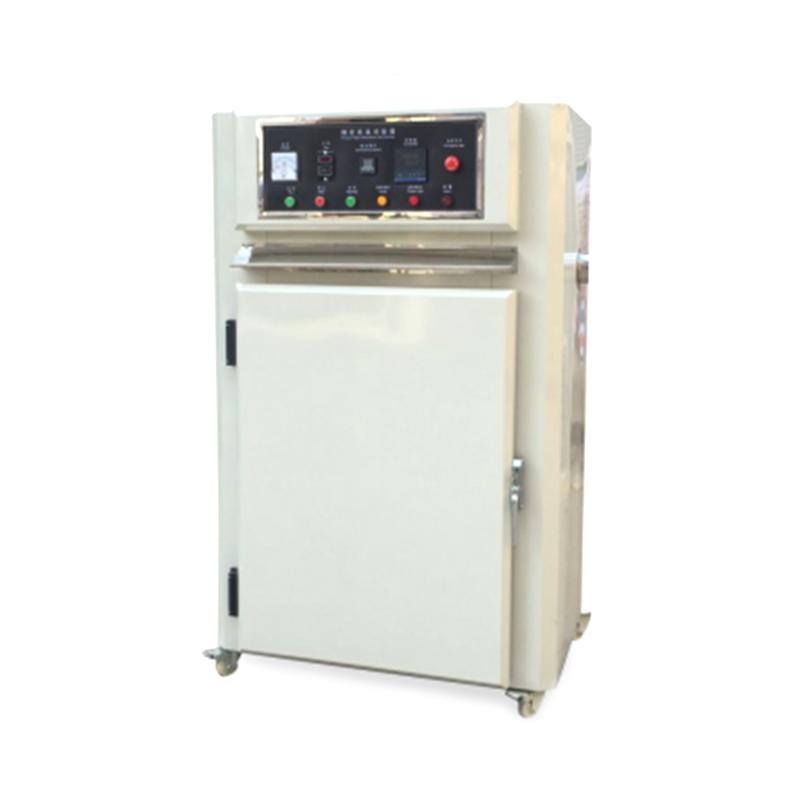
Temperature range: Select a precision constant temperature oven with a suitable temperature range according to actual needs. Usually, the temperature range of a precision constant temperature oven is above room temperature to a maximum of above 300°C.
Control accuracy: The control accuracy of a precision constant temperature oven is very important. During experiments or manufacturing processes, precise temperature control is required to ensure the accuracy of results. Therefore, a precision constant temperature oven with higher control accuracy, such as 0.1°C, should be selected.
Space capacity: choose the appropriate space capacity according to actual needs. Too little space capacity cannot accommodate the samples that need to be heated, while too much space capacity wastes energy. Therefore, the appropriate capacity should be selected according to actual needs.
Heating method: There are usually two heating methods for precision constant temperature ovens: electric heating and hot air circulation. Electric heating is suitable for samples with higher temperature requirements, while hot air circulation is suitable for samples that require rapid and uniform heating.
Controller: Choosing a precision constant temperature oven with a digital display controller can accurately control temperature and time, and has a high-precision temperature sensor and timer.
Material quality: The material quality of the precision constant temperature oven should meet the requirements of use. Common materials include stainless steel, aluminum alloy, and fiberglass.
Precautions:
Safety: Pay attention to safety when using the precision constant temperature oven, avoid contact with hot surfaces and improper operation leading to safety accidents.
Maintenance: Regularly clean the precision oven and check that parts such as the heater, temperature sensor, and controller are working properly. Regular replacement of wearing parts is also part of maintenance.
Preheating: The precision thermostatic oven should be preheated to the desired temperature before heating is started. This increases heating efficiency and reduces heating time.
