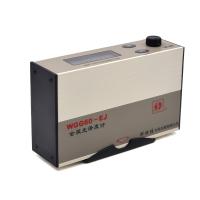
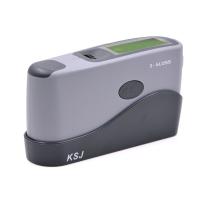
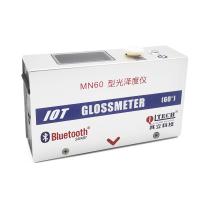
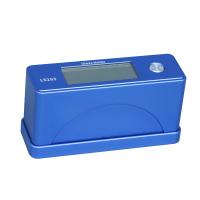
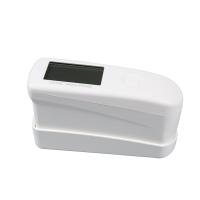
A color difference gloss meter is an instrument used to measure the color and gloss of the surface of a material. It is commonly used in the field of quality control and quality assurance, such as surface quality inspection of plastics, coatings, paper, ceramics, glass, metals and other materials. The following are the selection points and precautions of the color difference gloss meter:

select points
Measuring range: According to the type of sample to be measured, select the appropriate measuring range to ensure accuracy and accuracy.
Measurement Geometry: Select the appropriate measurement geometry, including angle and size, to accommodate different sample types and surface conditions.
Light source: Choose an appropriate light source type taking into account the color and gloss properties of different materials.
Calibration features: Make sure the device has auto-calibration features to ensure accuracy and accuracy.
Data recording and analysis function: choose an instrument with data recording and analysis function to facilitate subsequent data processing and analysis.

Precautions
Sample preparation: Before taking measurements, the sample needs to be properly handled and prepared to ensure that the sample surface is clean, flat and uniform.
Calibration: Before each use, it should be calibrated with a standard sample to ensure accuracy and accuracy.
Measurement environment: Make sure that the light and temperature in the measurement environment remain stable, and avoid strong light and vibration from interfering with the measurement results.
Operating skills: Operators should be familiar with the use of equipment and operate in accordance with the operating instructions to avoid affecting the measurement results.
Maintenance: Regularly maintain the instrument, including cleaning, calibration and replacement of parts, to ensure the long-term stability and reliability of the equipment.