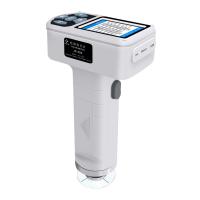
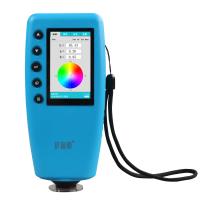
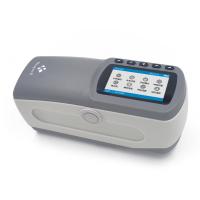
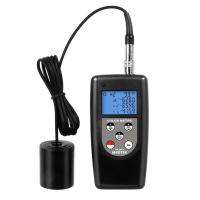
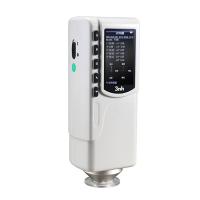
A small color difference meter is an instrument used to measure color. It is often used in homes, offices or laboratories. It can help users measure and compare the color difference between samples. It is often used in textiles, printing, plastics, coatings and other fields. The following are the selection points and precautions for small color difference meters.
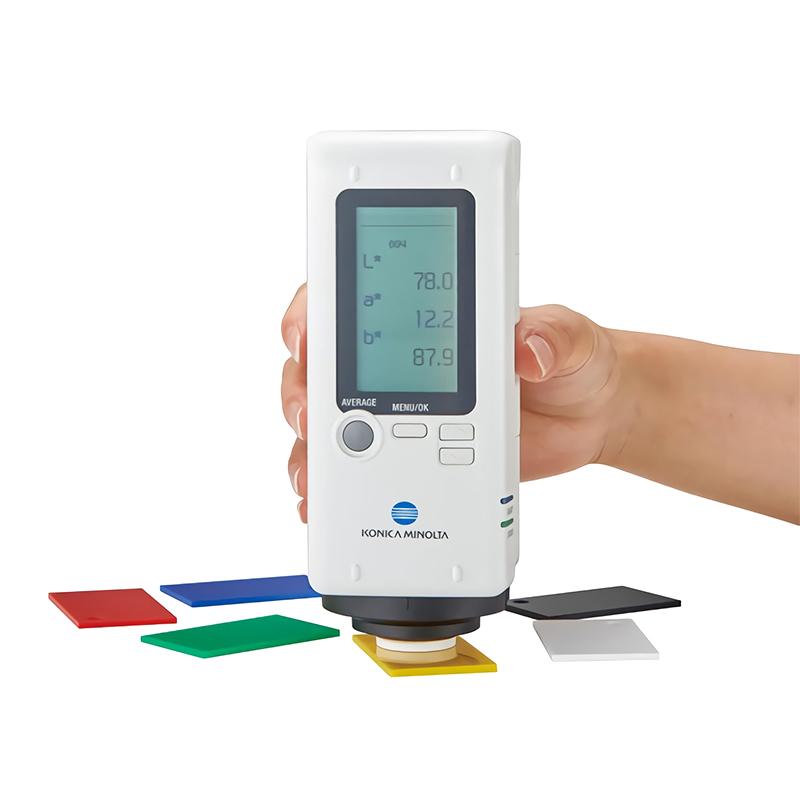
select points
Measuring range: choose a suitable measuring range, different small Colorimeters may have different measuring ranges, and some higher-end instruments may have wider measuring ranges.
Accuracy: Selecting a small Colorimeter with high accuracy can further ensure the reliability of the measurement results. Generally speaking, the higher the accuracy, the higher the price of the instrument.
Repeatability: Choose a small Colorimeter with good repeatability to ensure that the results of multiple measurements under the same conditions are consistent.
Display method: Choose a display method that is easy for users to understand, such as digital display, color block display, etc.
Ease of operation: Choose a small Colorimeter that is easy to use, including simple operation, easy maintenance, and easy portability.
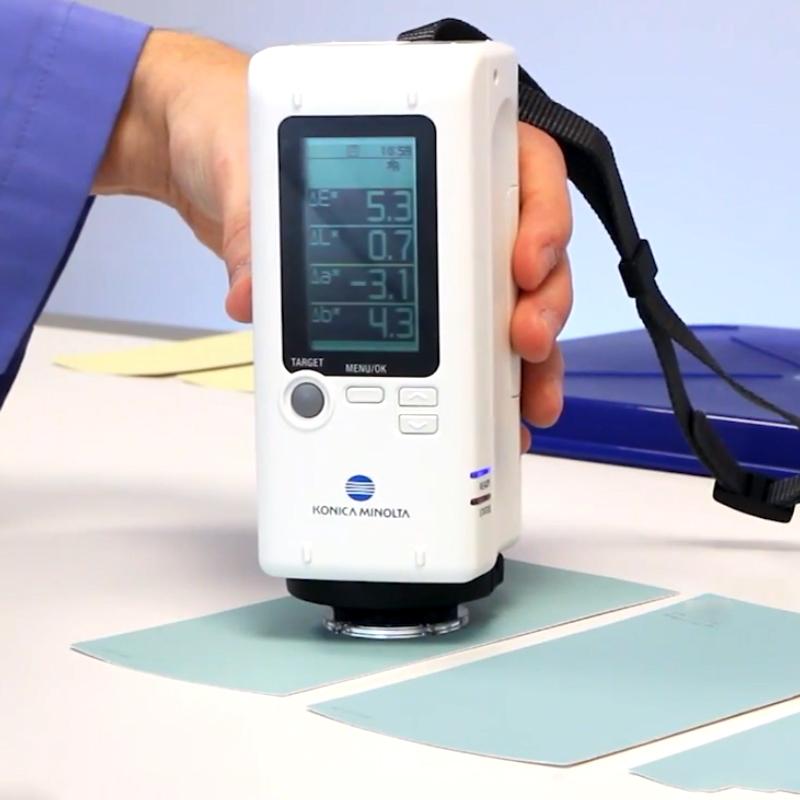
Precautions
Calibration: Regularly calibrate the small color difference meter to ensure the accuracy and reliability of the measurement results.
Cleaning: Keep the small Colorimeter clean to avoid contamination and damage. It should be cleaned carefully before use to avoid the influence of dust and grease on the instrument.
Proper storage: The small Colorimeter should be placed in a dry place away from direct sunlight to avoid moisture, mildew, etc.
Operating specifications: When using a small color difference meter, you should operate according to the operating instructions, and do not change the parameters and settings at will, so as not to affect the measurement results.
Timely maintenance: Maintaining the maintenance of the small Colorimeter, such as replacing the bulb, cleaning the sensor, etc., can further ensure the long-term stability and reliability of the instrument.