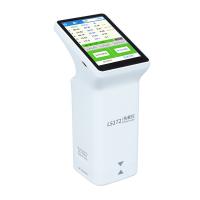
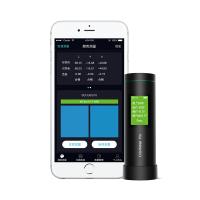
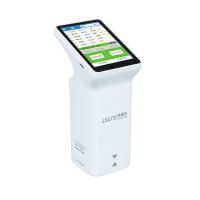
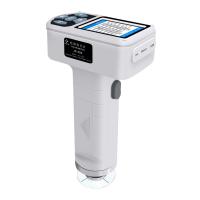
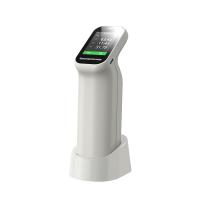
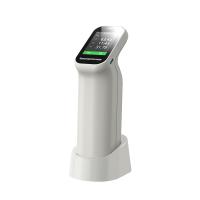
A portable Colorimeter is a hand-held color difference Measurement Instrument, usually used in field or mobile applications. It can quickly and accurately measure the color difference of objects, and is widely used in color detection, color matching, color management and other fields. The following is a detailed introduction to its selection points and precautions.

select points
Measuring range: Different portable Colorimeters have different measuring ranges, and the appropriate model needs to be selected according to actual needs. Generally speaking, the wider the measurement range, the more applicable scenarios, but the corresponding price will be higher.
Accuracy and repeatability: The accuracy and repeatability of the portable Colorimeter are important indicators affecting its performance. It is necessary to select products with good accuracy and repeatability to ensure the accuracy and reliability of the measurement results.
Instrument stability: Stability is one of the important indicators to measure the performance of a portable Colorimeter. Generally speaking, the higher the instrument stability, the more stable and reliable the measurement results.
Display screen size and resolution: The display screen size and resolution of the portable Colorimeter are different, and the appropriate model needs to be selected according to actual needs. Generally speaking, the larger the display screen, the higher the resolution, the more convenient the operation, but the corresponding price will be higher.
Data management: Some high-end portable Colorimeters have a data management function, which can save the measurement data to the instrument memory or upload to the cloud via Bluetooth or Wi-Fi, which is convenient for data management and sharing. Products with corresponding functions need to be selected according to actual needs.

Precautions
The portable Colorimeter should avoid collision and falling, so as not to affect its accuracy and stability.
During the measurement, the light of the measurement environment should be stable and consistent, and the interference of other light sources should be avoided.
The instrument should be calibrated correctly before measurement to ensure the accuracy and reliability of the measurement results.
When using, follow the instructions and maintenance manual provided by the manufacturer, and maintain and calibrate the instrument regularly to ensure the performance and stability of the instrument.