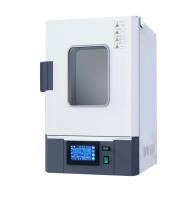
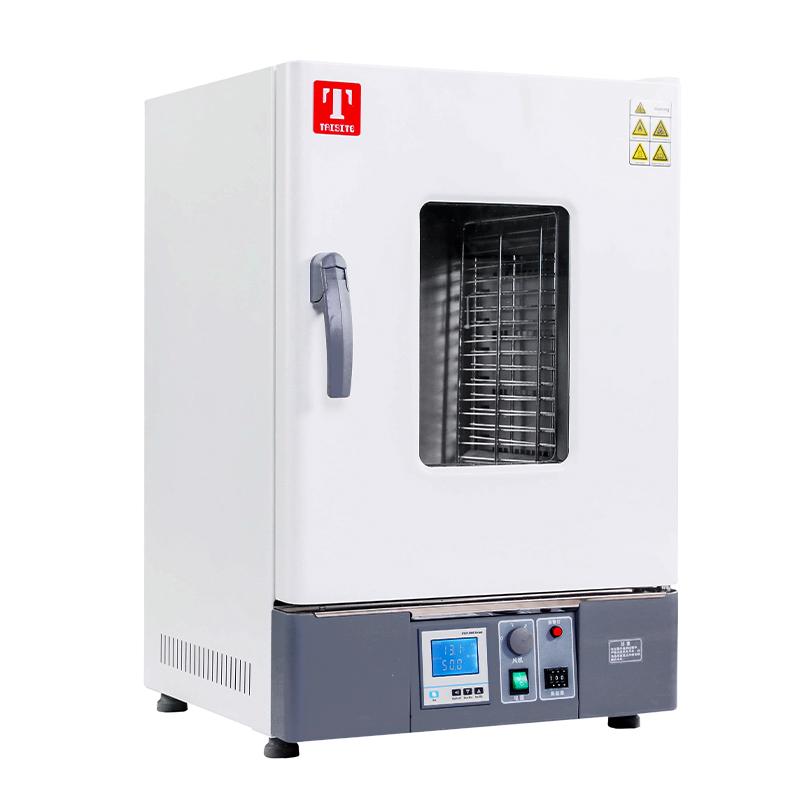
Experimental dry roasting sterilizer is a kind of equipment commonly used in laboratories for sterilization. It uses high-temperature baking to dry-bake and sterilize reagent bottles, petri dishes, glassware, etc.
Selection points
1. Temperature range: The temperature range of the experimental dry roasting sterilizer is generally 80 ℃ ~ 300 ℃, and an appropriate temperature range needs to be selected according to the needs of the experiment.
2. Volume size: The volume size is generally 5L to 100L. Select the appropriate volume size according to the experimental requirements to avoid waste caused by too small or too large volume or the experiment cannot be carried out.
3. Temperature uniformity: The internal temperature uniformity of the experimental dry roasting sterilizer is of great importance to the sterilization effect. It is necessary to select equipment with uniform temperature distribution and stable temperature adjustment.
4. Sterilization time: The sterilization time should be determined according to the needs of the experiment, and it is necessary to choose an experimental dry-bake sterilizer with flexible time control function.
5. Material: The inner and outer materials of the experimental dry roasting sterilizer should be made of high temperature resistant and corrosion resistant materials, such as stainless steel.
Precautions
1. Before use, you need to check whether the equipment is in good condition, and confirm whether the temperature controller, power supply, wires, etc. are normal.
2. When using, it is necessary to operate in accordance with the instructions to avoid equipment damage or experimental failure caused by excessive use or improper operation.
3. Avoid putting flammable, explosive, volatile and other substances into the dry roasting sterilizer to avoid danger.
4. Regularly clean the interior of the dry roasting sterilizer to avoid the accumulation of dust and debris that will affect the quality of the experiment.
5. Avoid overloading during use to avoid damage or danger to the equipment.
6. After use, it is necessary to wait for the equipment to cool down before taking out reagent bottles and other items to avoid burns.