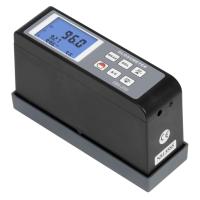
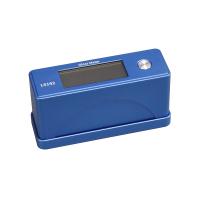
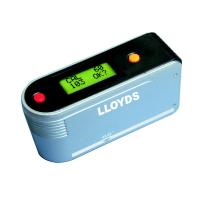
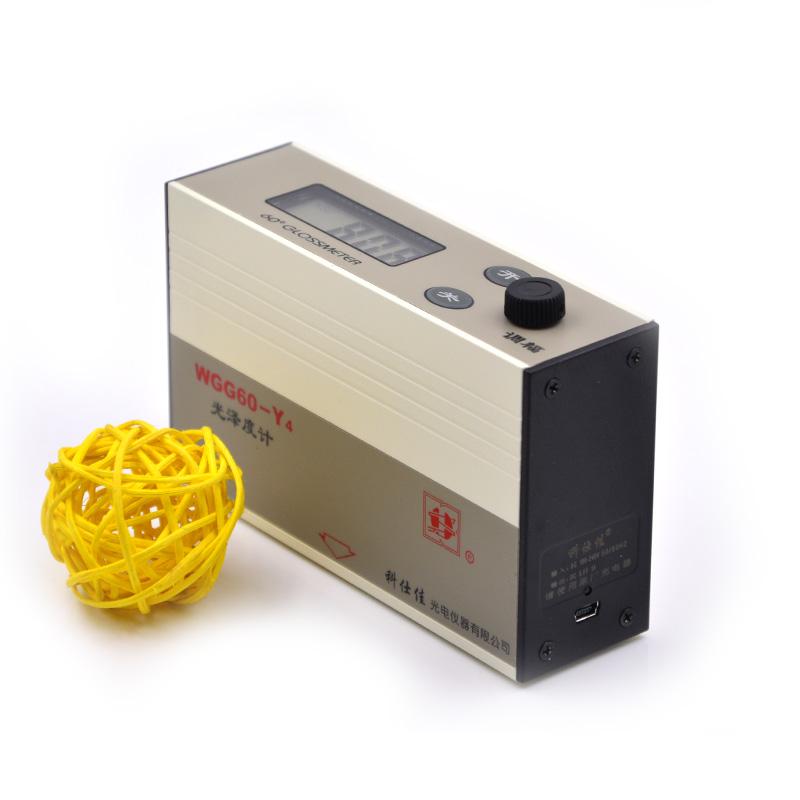
Digital gloss meter is an instrument used to measure the glossiness of the surface of an object, and is often used in the quality control and inspection of paint, plastic, ceramics, paper, metal and other materials. The following are the key points and precautions to pay attention to when choosing a digital display gloss meter:
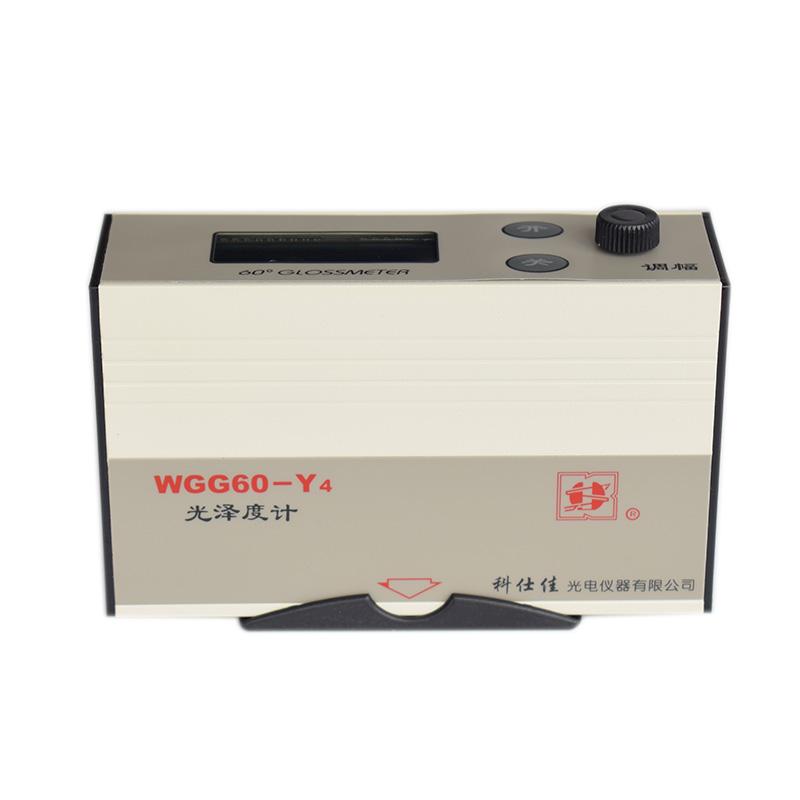
select points
Measuring range: select the measuring range according to actual needs, the common gloss meter measuring range is 0-100 GU (gloss unit).
Accuracy: Different application scenarios require different accuracy, and the price of a high-precision gloss meter is usually higher.
Repeatability: Repeatability refers to the consistency of the results obtained by measuring multiple times under the same conditions. Application scenarios requiring high precision usually require better repeatability.
Stability: Stability refers to the stability of the measurement results during long-term use, which can usually be known from the product description provided by the manufacturer.
Measurement angle: Different material surfaces have different reflection characteristics, so different measurement angles need to be selected according to the actual situation. The common measurement angles are 20 degrees, 60 degrees and 85 degrees.
Precautions
Zero calibration is required before use to ensure the accuracy of the measurement.
Gloss measurement needs to ensure that the ambient light is uniform and stable, and avoid the influence of external light.
When measuring different materials, different measurement angles need to be selected to ensure the accuracy of the measurement results.
Avoid using the Glossmeter in an environment with high temperature, humidity or chemical gas, these conditions may affect the accuracy and stability of the instrument.
During use, it is necessary to avoid collisions, drops and other acts that damage the instrument.