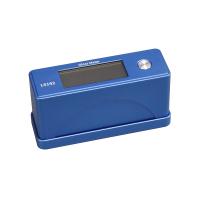
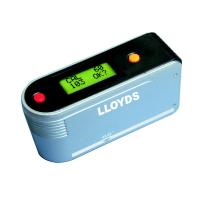
A paint gloss meter is an instrument used to measure the glossiness of an object's surface. The following is a detailed introduction to the selection points and precautions of the paint gloss meter:
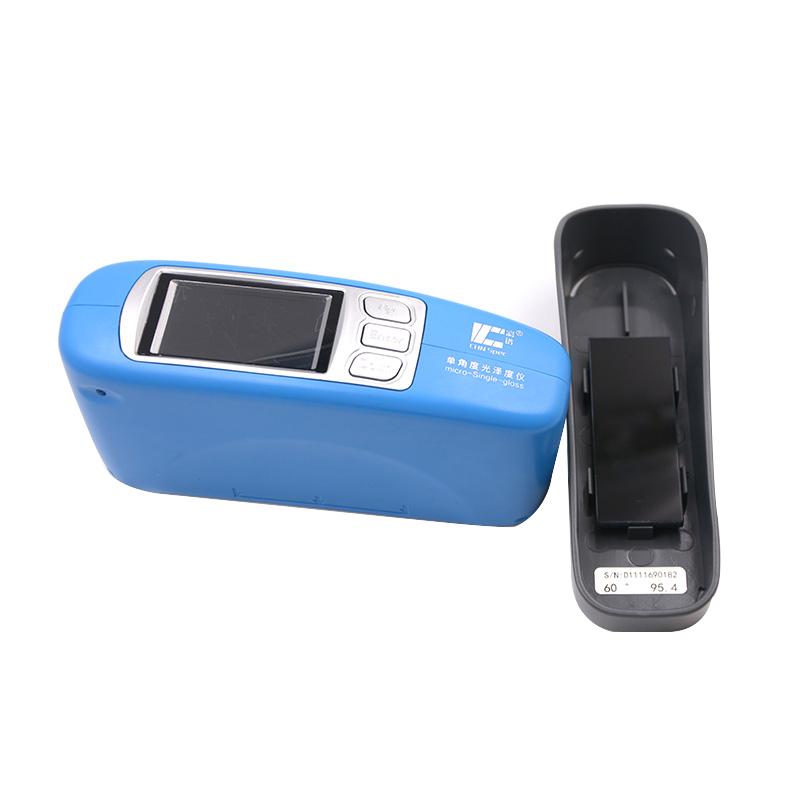
select points
Measuring range: When choosing a paint gloss meter, the measuring range should be selected according to actual needs, generally including low, medium and high three measuring ranges.
Resolution: Resolution refers to the smallest change value displayed by the instrument. Generally speaking, the higher the resolution, the more accurate the measurement results, but the price will also be higher.
Accuracy: Accuracy refers to the deviation between the measurement result of the instrument and the actual value. The higher the precision, the more accurate the measurement.
Instrument stability: When choosing a paint gloss meter, attention should be paid to the stability of the instrument. The better the stability of the instrument, the more accurate the measurement result.
Display mode: At present, the paint gloss meter on the market has two display modes: digital display and analog pointer. The digital display is more intuitive, while the analog pointer display is more in line with the visual characteristics of the human eye.
Instrument brand and quality: Brand and quality are important factors to consider when choosing a paint gloss meter. Generally speaking, familiar brands have more reliable product quality and better after-sales service.
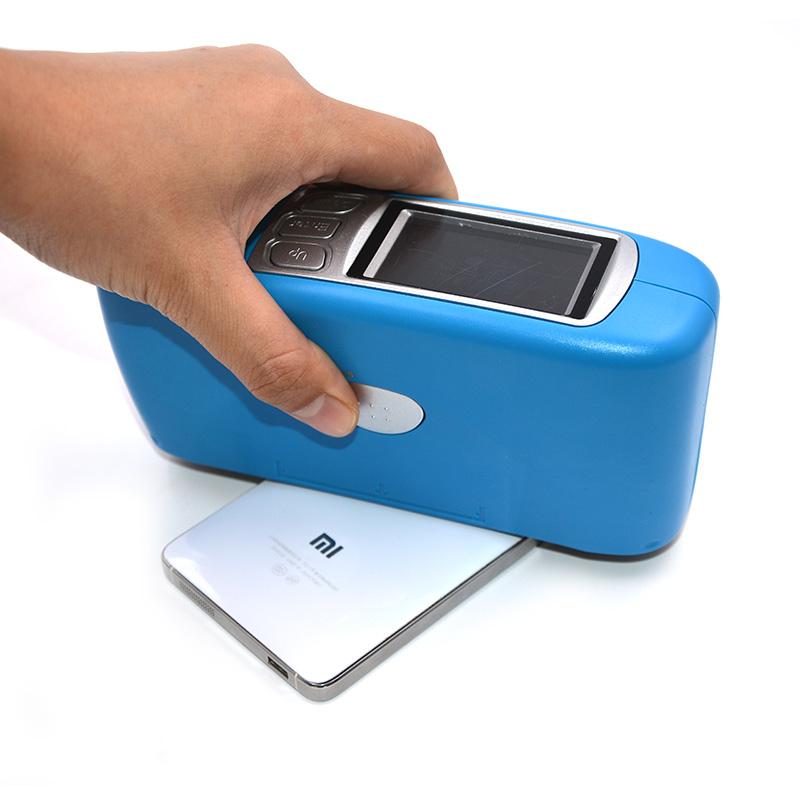
Precautions
When using the paint gloss meter, ensure that the measurement environment is clean and stable, and avoid external interference such as dust and light.
Before the measurement, the instrument should be calibrated to ensure the accuracy of the measurement results.
The paint gloss meter should be kept properly to avoid damage to the instrument caused by falling and collision.
Regularly maintain and maintain the paint gloss meter to ensure the normal use and long-term stability of the instrument.
Pay attention to avoid placing the paint gloss meter in high temperature, humid and other environments during measurement, so as not to affect the measurement results and the life of the instrument.