Specular gloss meter is an instrument for measuring surface gloss, which is widely used in coatings, plastics, paper, ceramics, metals and other fields. The following is a detailed introduction to the selection points and precautions of the specular gloss meter:
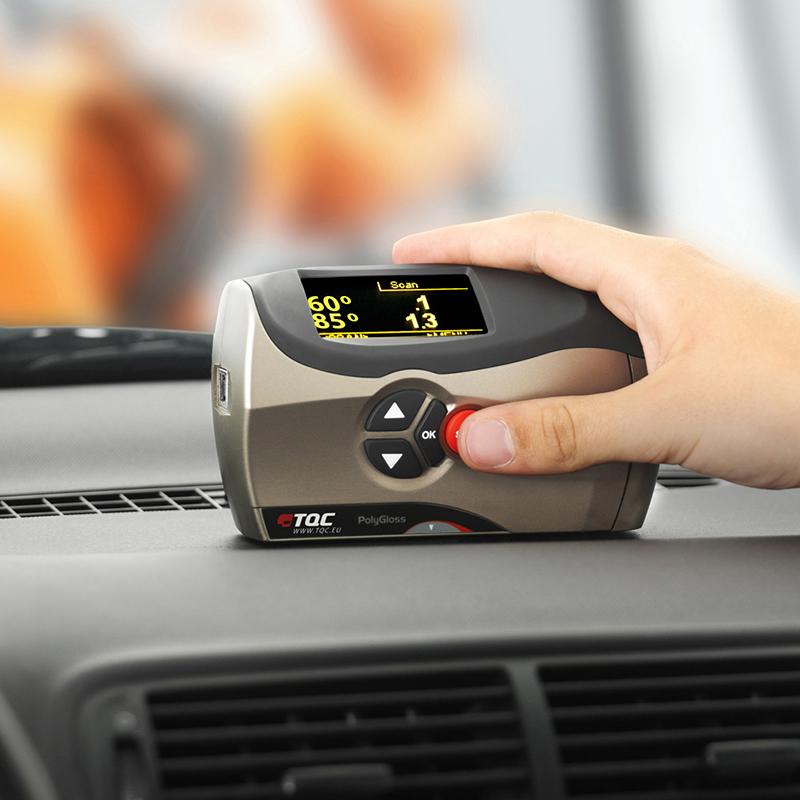
select points
Measuring range: Different specular gloss meters have different measuring ranges, which need to be selected according to actual needs. Generally speaking, the measurement range of paint and plastic is generally between 0~1000GU (Gloss Units), while the measurement range of metal is larger.
Accuracy: The accuracy of the specular gloss meter is very important, and it is necessary to choose an instrument with higher accuracy to ensure the accuracy of the measurement results. Typically, a specular Glossmeter with an accuracy within ±1GU is adequate for most applications.
Repeatability: Repeatability refers to the consistency of the results obtained from multiple measurements under the same conditions. Choosing a specular gloss meter with good repeatability can reduce test errors.
Display mode: The display mode of the specular gloss meter is divided into two types: digital display and graphic display. The digital display mode can visually display the measurement results, while the graphic display mode can better understand the gloss characteristics of the sample surface through the gloss curve.
Data transmission method: Modern specular gloss meters can usually transmit measurement data to computers or mobile devices for processing and analysis via USB, Bluetooth, etc. It needs to be selected according to actual needs.

Precautions
Calibration: In order to ensure the accuracy of the measurement results, the specular gloss meter needs to be calibrated frequently. In general, the calibration cycle is half a year to one year. When calibrating, it is necessary to pay attention to using the correct calibration board to avoid errors.
Use environment: The specular gloss meter should be measured in a dry, windless, and direct sunlight environment to avoid the influence of environmental factors on the test results. At the same time, you need to pay attention to dust and scratch resistance during use.
Sample Treatment: Before taking measurements, the sample needs to be properly treated to ensure a uniform gloss on the surface of the sample. Usually, the surface of the sample needs to be clean and avoid the effects of scratches, fingerprints, etc. on the gloss.