A freeze dryer is a device used to convert liquid samples into solid samples and remove moisture.
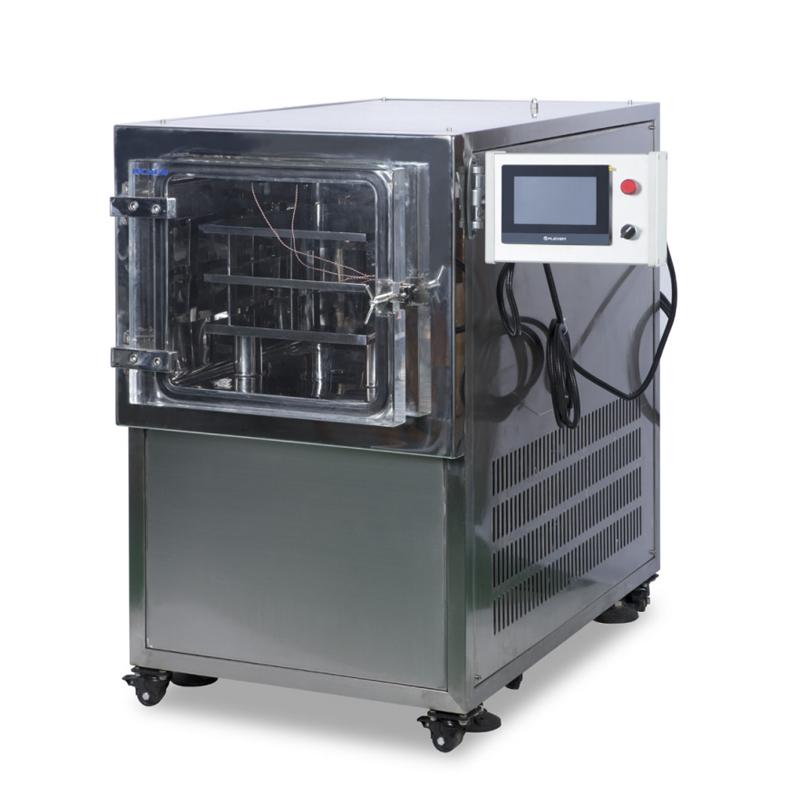
select points
Capacity: Choose the capacity that suits your experimental needs. Freeze dryers typically have a capacity of a few tens of milliliters to a few liters, but some larger models may also be available in larger capacities.
Temperature Range: Choose the temperature range that suits your experimental needs. The temperature range of the freeze dryer is usually between -50 degrees Celsius and 50 degrees Celsius.
Control method: Choose the control method that suits your experimental needs. Some freeze dryers can be controlled via a touch screen or computer, while other models may only have simple mechanical controls.
Vacuum: Choose a freeze dryer with sufficient vacuum to ensure quick and efficient removal of moisture from the sample.
Additional functions: Some freeze dryers may provide other additional functions, such as adjustable speed rotation, automatic degassing, atmosphere control, etc., which can be selected according to experimental needs.
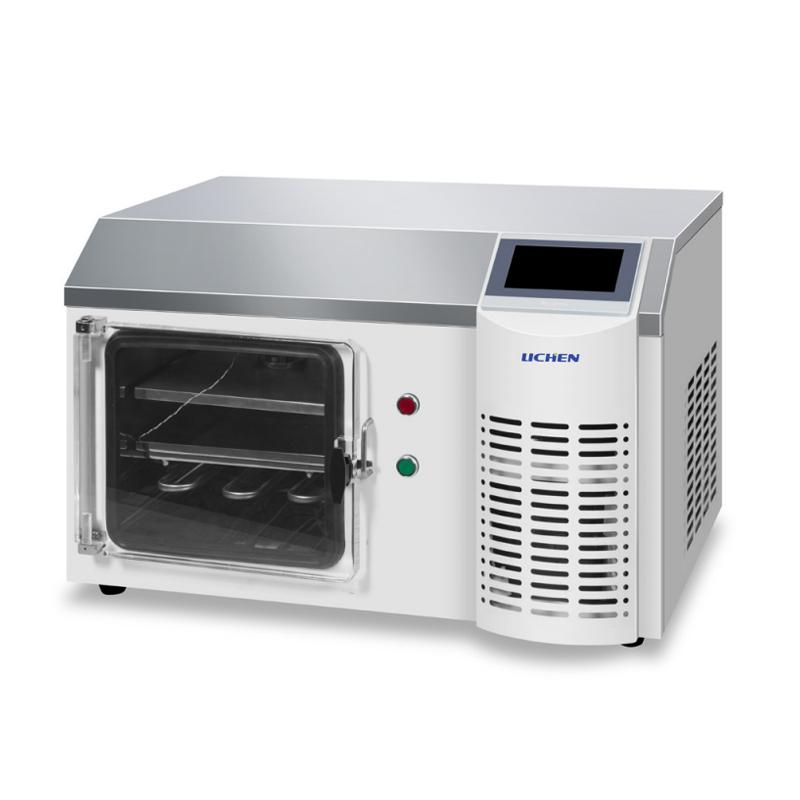
Precautions
Maintenance: The freeze dryer needs regular maintenance and cleaning to ensure the normal operation of the equipment. When cleaning equipment, use appropriate cleaning agents and follow the equipment manufacturer's instructions.
Calibration: In order to ensure the temperature control accuracy of the freeze dryer, regular calibration is required. Calibration can be performed by the device manufacturer or by a third-party laboratory.
Environment: When choosing a freeze dryer, it is necessary to consider the environment in which the equipment will be located. If the equipment is placed in a humid or easily polluted environment, corresponding measures need to be taken to avoid damage to the equipment or affect the experimental results.
Instructions for use: When using a freeze dryer, you need to follow the instructions of the equipment manufacturer, especially pay attention to safety matters during operation.
Quality Assurance: Choose a freeze dryer with good quality assurance, which usually has a longer service life and better performance. At the same time, it is necessary to pay attention to whether the equipment manufacturer provides after-sales service and technical support.



