Solder paste viscosity testing is a very important quality control step to ensure that the produced solder paste has the correct flow and spread properties.

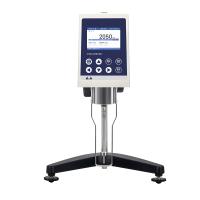
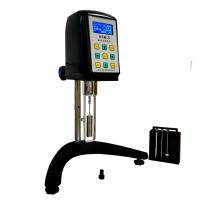
A commonly used instrument for solder paste viscosity testing is a Rotational Viscometer, which measures the viscosity and rheological properties of liquids.
A Rotational Viscometer consists of a rotating rotor and a measuring system. During the test, put the solder paste to be tested into the container of the rotating rotor, and then rotate the rotor at a certain speed. The friction between the rotor and the solder paste will affect the rotation speed of the rotor, which is proportional to the viscosity of the solder paste. By measuring the rotational speed and torque of the rotor, the viscosity of the solder paste can be calculated.

The following is a detailed introduction of solder paste viscosity detection:
Sample preparation: First, solder paste samples need to be taken from the production line, usually a certain number of samples are taken to ensure the accuracy of the test.
Prepare the viscometer: Place the viscometer on a stable, level surface and adjust it to zero to ensure the accuracy of the test.
Measuring Viscosity: Take a certain amount of solder paste sample and put it into the container of the viscometer. Turn on the viscometer and set the desired spin speed and test time, usually the test will take place within 5-10 seconds. Test results are usually in units of cps (centipoise) or Pa·s (Pascal seconds).
Analysis results: Analyze according to the test results to determine whether the viscosity of the solder paste is within the specified range. If the viscosity of the solder paste exceeds the specified range, it may need to be adjusted or eliminated.

NBCHAO reminds you: the results of solder paste viscosity testing are affected by many factors, such as temperature, humidity, and the composition of solder paste. Therefore, when testing the viscosity of solder paste, it is necessary to follow specific testing standards and methods, and strictly control the testing conditions, so as not to cause too much interference to the accuracy and reliability of the test results.