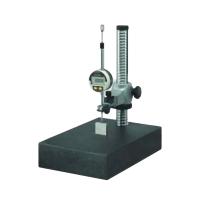
The desktop Thickness Gauge is an instrument used to measure the thickness of materials, suitable for measuring the thickness of various metal and non-metal materials. Here are some key points and considerations to consider when choosing a benchtop Thickness Gauge:
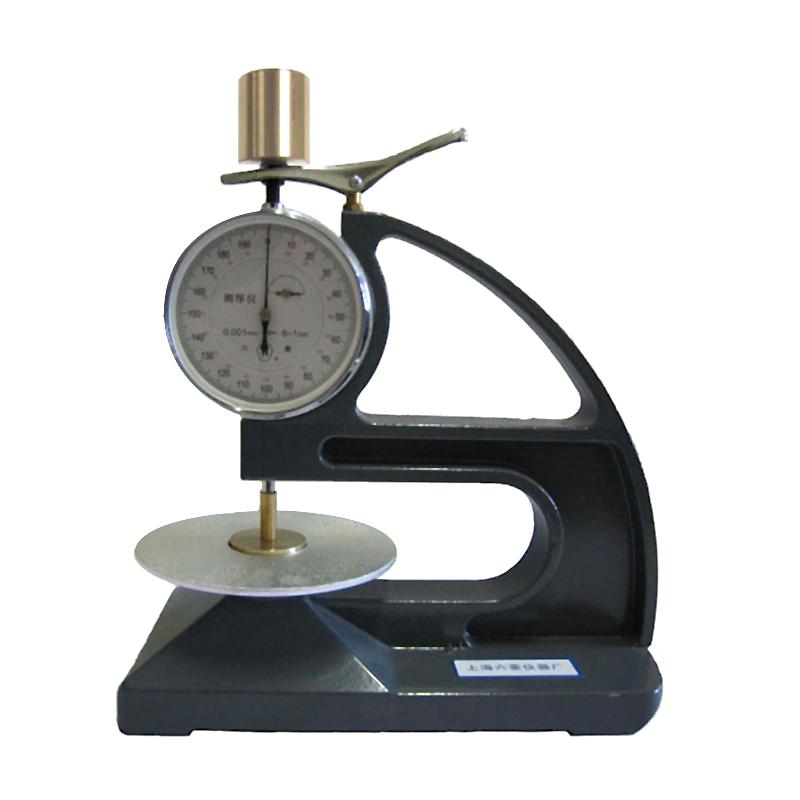
select points
Measuring range: When choosing a desktop Thickness Gauge, it is necessary to consider whether its measuring range can meet the actual needs. Different types of Thickness Gauges have different measurement ranges, generally between 0-300mm. Therefore, it is necessary to select the appropriate model according to the actual needs.
Measurement accuracy: The measurement accuracy of the benchtop Thickness Gauge is an important indicator to measure its measurement quality. In general, the higher the accuracy, the more accurate and reliable the measurement results. Pay attention to the selection, the measurement accuracy should meet the actual application requirements.
Measurement method: There are many measurement methods for the desktop Thickness Gauge, including single-point measurement, continuous measurement, maximum/minimum value measurement, etc. When choosing, you need to choose the appropriate measurement method according to the actual needs.
Display mode: There are many display modes of the desktop Thickness Gauge, including digital display, liquid crystal display, LED display, etc. Different display methods have different advantages and disadvantages, and an appropriate display method needs to be selected according to actual needs.
Data storage function: The data storage function of the desktop Thickness Gauge can record the measurement results and measurement time, which is convenient for later data analysis and comparison. Therefore, if you need to save and process data, you need to consider this function.
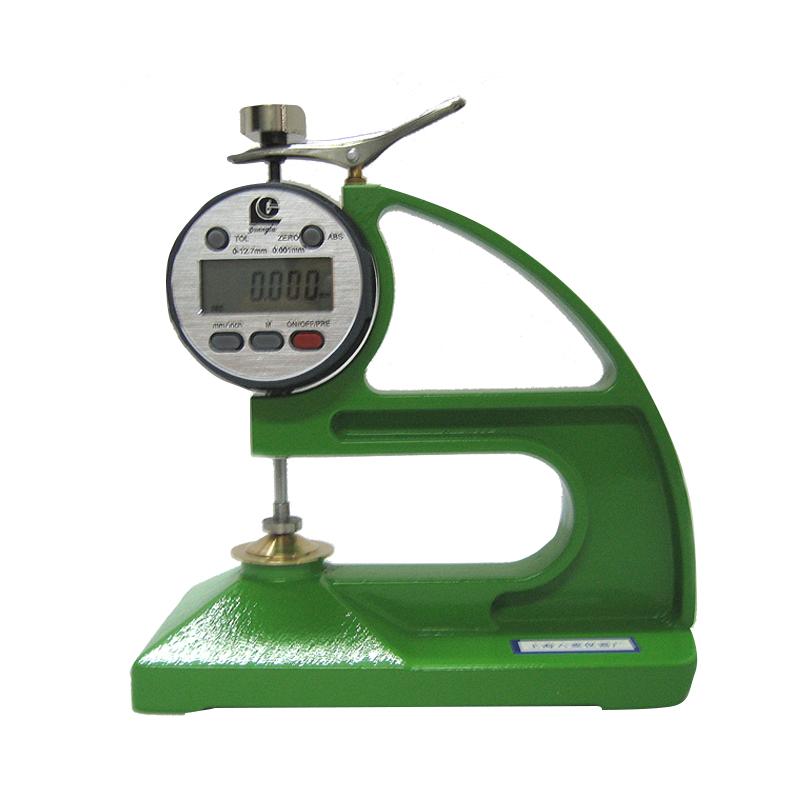
Precautions
Before use, the benchtop Thickness Gauge should be calibrated to ensure the accuracy of the measurement results.
When measuring, pay attention to the surface flatness and cleanliness of the measured object, so as not to affect the measurement results.
The probe should be in close contact with the surface of the measured object to ensure the accuracy of the measurement.
During use, the desktop Thickness Gauge should be protected from shock and vibration, so as not to affect the measurement results.
For the measured objects of different materials, it is necessary to select the appropriate measurement mode and measurement range to ensure the accuracy of the measurement results.
During use, it is necessary to clean and maintain the bench-top Thickness Gauge in time to ensure its long-term stable measurement accuracy.