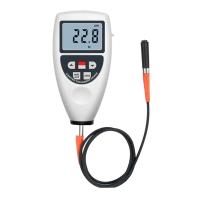
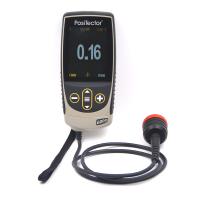
A hand-held Thickness Gauge is a portable instrument used to measure the thickness of an object, and is often used to measure the thickness of metal, plastic, rubber, glass and other materials. The following are the key points and precautions for the selection of hand-held Thickness Gauges:

select points
Measuring Range: When selecting a handheld Thickness Gauge, the range of measuring tasks required should be considered. According to the measured material and thickness range, select the appropriate instrument.
Accuracy: Accuracy is an important indicator that affects the accuracy of measurement results. Therefore, when choosing a handheld Thickness Gauge, you should choose an instrument with high precision.
Display mode: digital display mode is more common, and some advanced instruments also have LCD screen and backlight function.
Data storage: Some advanced handheld Thickness Gauges can store multiple sets of data, and can transmit data to a computer or mobile device via USB or Bluetooth.
Operation method: When choosing a handheld Thickness Gauge, you should consider whether its operation method is simple and easy to understand, and whether it needs special training to master it.
Probe type: The probe types of the handheld Thickness Gauge have different shapes and sizes, and the appropriate probe type should be selected according to the characteristics of the measurement object.
Power supply: Hand-held Thickness Gauges are generally powered by batteries, so battery life and replacement methods should be considered when choosing.

Precautions
Calibration: Calibration is required before using the handheld Thickness Gauge. The purpose of calibration is to ensure the accuracy and reliability of the instrument.
Cleaning: Before measuring, the instrument should be cleaned to avoid contamination such as dust or grease from affecting the measurement results.
Measurement location: When measuring, a representative measurement location should be selected to ensure the accuracy of the measurement results.
Measurement angle: When measuring, it should be measured perpendicular to the surface of the measured object to avoid measurement errors caused by incorrect angles.
Maintenance: During use, attention should also be paid to the maintenance and maintenance of the handheld Thickness Gauge, timely replacement of batteries, cleaning and replacement of probes, etc. At the same time, avoid shocking or dropping the instrument, so as not to affect its measurement accuracy and performance.