Non-contact Thickness Gauge is an instrument used to measure the thickness of non-metallic surface film. Compared with contact Thickness Gauges, non-contact Thickness Gauges have the advantages of not damaging the surface to be measured, fast measurement speed, and simple operation. It is widely used in many industrial fields, such as automobile manufacturing, electronics, aerospace, etc. The following is a detailed introduction to the selection points and precautions of non-contact Thickness Gauges.
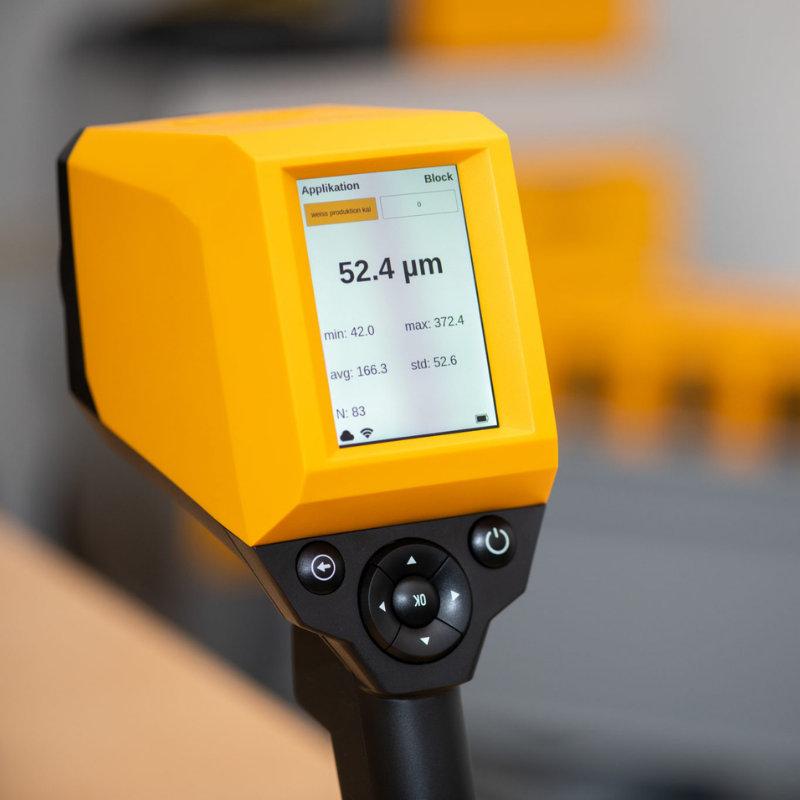
select points
Measuring range: Select the measuring range according to actual needs to ensure that the instrument can cover the film thickness range of the measured object.
Resolution: Choose a high-resolution instrument to provide more accurate measurement results.
Accuracy: Select an instrument with appropriate accuracy according to actual needs. Generally, an instrument with an accuracy less than a few percent of the film thickness to be measured should be selected.
Repeatability: Choose an instrument with good repeatability to ensure the stability and reliability of the measurement results.
Environmental adaptability: Choose an instrument with good adaptability according to the actual application environment, such as dustproof, waterproof and other characteristics.
Data recording and transmission: choose instruments with data recording and transmission functions to facilitate data management and processing.
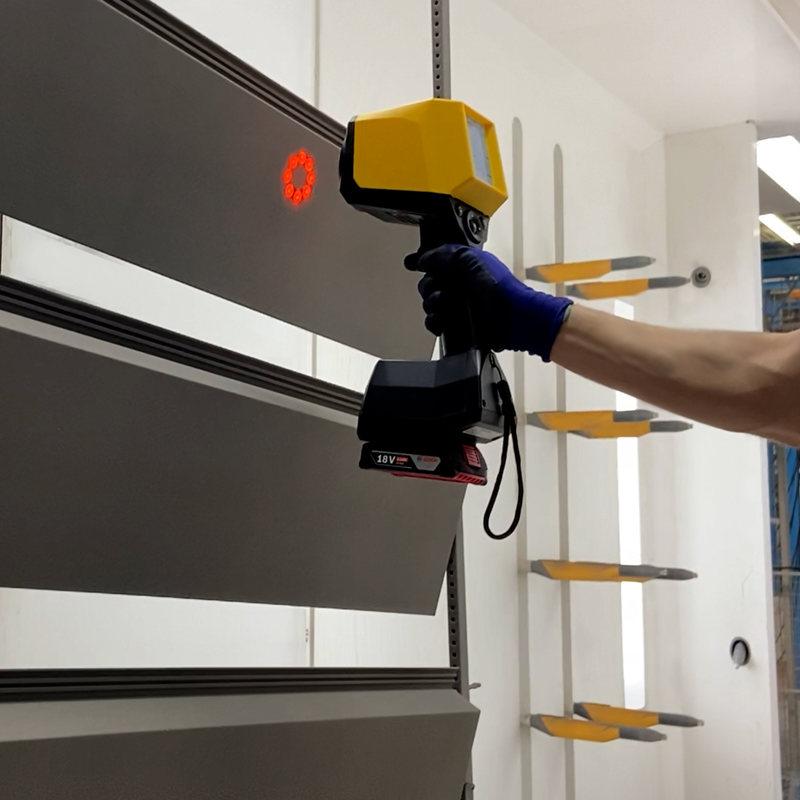
Precautions
The operating environment of the instrument is required to be dry and clean to avoid affecting the measurement results.
Non-contact Thickness Gauges need to be calibrated and inspected regularly to ensure the accuracy of the measurement results.
When using, keep the instrument perpendicular to the measured object and keep a certain measurement distance to avoid affecting the measurement results due to changes in angle or distance.
The measured object should be cleaned before measurement to avoid dirt and other substances from affecting the measurement results.
The instrument should not be subject to severe vibration or impact, so as not to damage the instrument and affect the measurement results.
After use, the instrument should be placed in a dry and ventilated place to avoid damage to the instrument and affect the next use.
