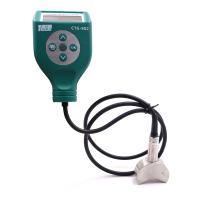
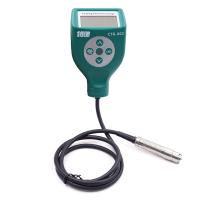
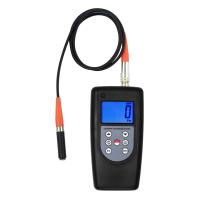
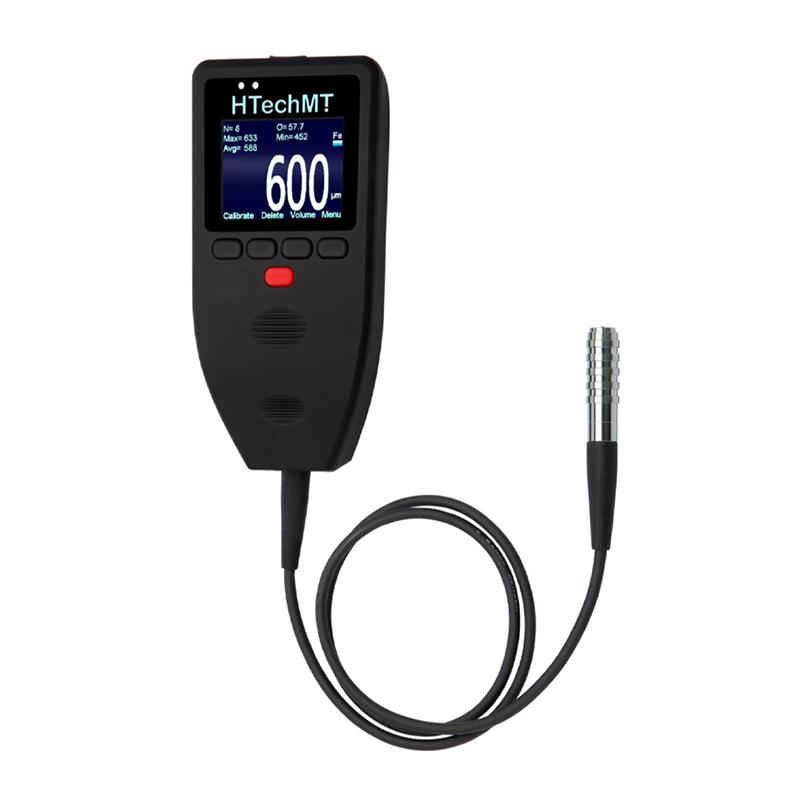
The iron-based Thickness Gauge is an instrument used to measure the thickness of various coatings, paints, passivation layers and other coverings on the surface of metal materials. In the actual production and inspection process, choosing a suitable iron-based Thickness Gauge can effectively improve work efficiency and product quality. The following is a detailed introduction to the key points and precautions for the selection of iron-based Thickness Gauges:
select points
Measuring range: Different iron-based Thickness Gauges have different measuring ranges, which need to be selected according to the actual application scenario. The measurement range generally includes the measurement minimum and maximum values, and it is necessary to select a suitable measuring instrument according to the thickness range of the measured object.
Measurement accuracy: The measurement accuracy of the iron-based Thickness Gauge is directly related to the accuracy of the measurement results. Usually, the higher the measurement accuracy, the higher the price accordingly. Therefore, it is necessary to select an appropriate measurement accuracy within the actual needs and budget.
Measurement method: The measurement methods of iron-based Thickness Gauges include magnetic induction and eddy current. Magnetic induction ferrous Thickness Gauges are suitable for measuring thicker coatings or passivation layers, while eddy current ferrous Thickness Gauges are suitable for measuring thinner coatings or passivation layers. Therefore, when choosing an iron-based Thickness Gauge, it is necessary to choose an appropriate measurement method according to the characteristics of the object to be measured and the measurement requirements.
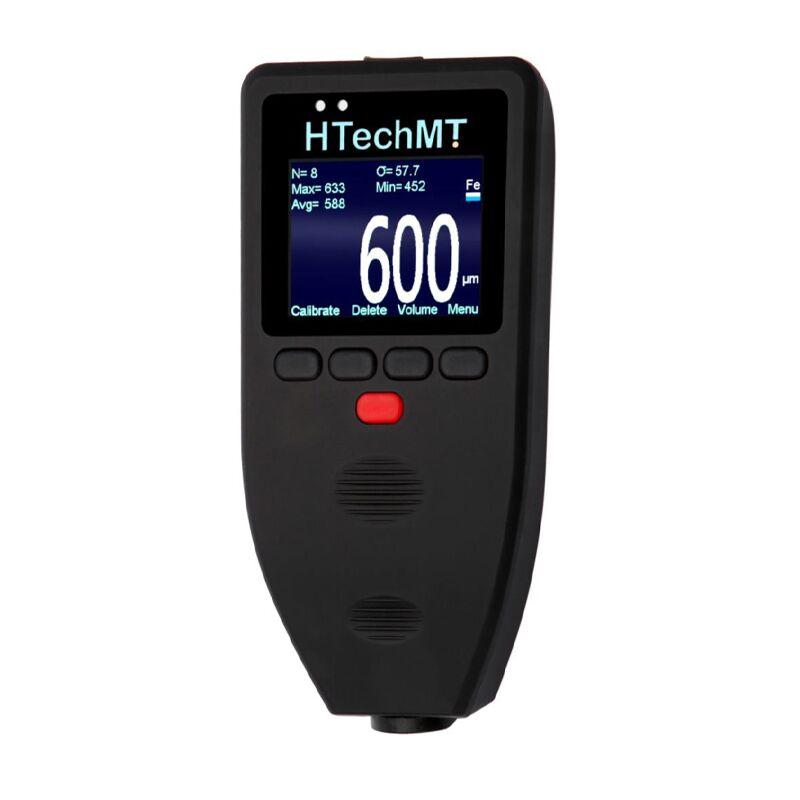
Instrument characteristics: In addition to the measurement range, measurement accuracy and measurement method, other characteristics of the instrument need to be considered, such as measurement speed, data storage function, display screen size, etc.
Precautions
Calibration: The iron-based Thickness Gauge needs to be calibrated before use to ensure the accuracy of the measurement results. During the calibration process, it is necessary to use standard objects or standard coated slices for comparison and calibration.
Cleaning: The iron-based Thickness Gauge needs to be kept clean during use to avoid the influence of dust and oil and other pollutants. The surface of the measured object needs to be cleaned before measurement to avoid affecting the measurement accuracy.
Operating specifications: When using iron-based Thickness Gauges, it is necessary to operate in accordance with the operating specifications to avoid measurement errors caused by misoperation or improper use.