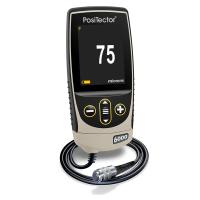
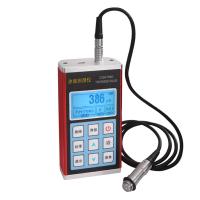
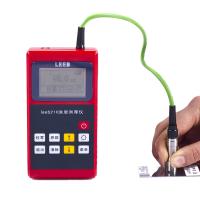
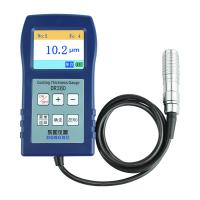
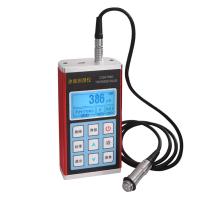
The galvanized layer Thickness Gauge, also known as the galvanized layer Thickness Gauge, is an instrument used to measure the thickness of the galvanized layer. The following will introduce the selection points and precautions of the galvanized layer Thickness Gauge.
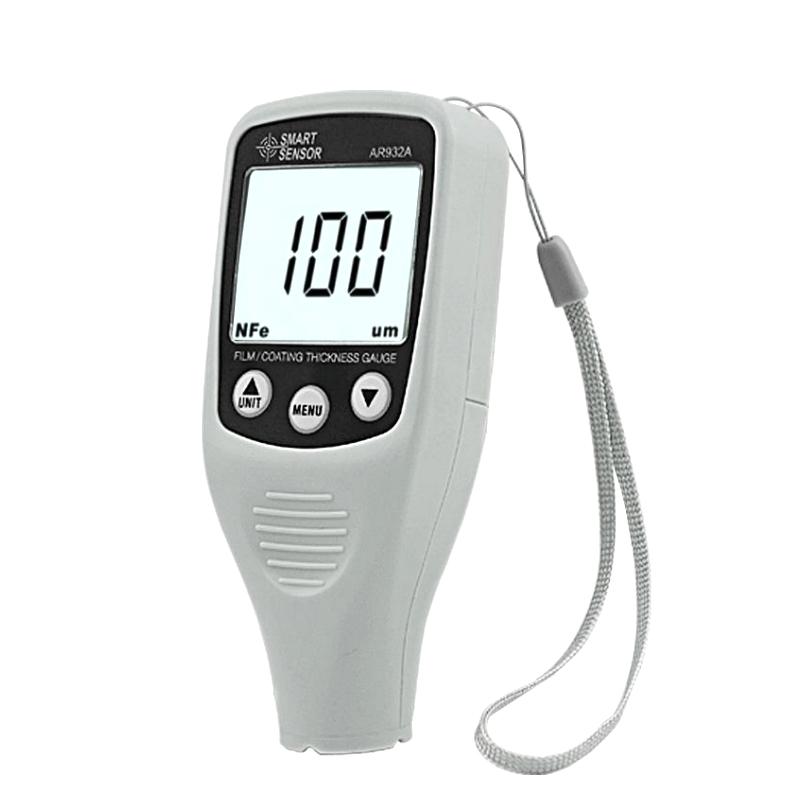
select points
1. Measuring range: When choosing a galvanized layer Thickness Gauge, it is necessary to select a suitable measuring range according to the actual measurement requirements. Generally, the thickness of the galvanized layer is between 0.1mm and 5mm, so an instrument with a measuring range within this range should be selected.
2. Measurement accuracy: Accuracy is the most basic performance index of a measuring instrument. For applications that require accurate measurement, it is very important to choose a high-precision galvanized layer Thickness Gauge. In general, the accuracy should be within 1% of the measured value.
3. Measuring principle: At present, the galvanized layer Thickness Gauges on the market mainly have two measuring principles: magnetic induction type and eddy current type. When choosing a measuring principle, the realities of the application need to be considered, such as the type of material to be measured, its shape, surface state, etc.
4. Display mode: At present, there are two common display modes: digital display and liquid crystal display. Digital display is usually more intuitive than liquid crystal display. When choosing, attention should be paid to display clarity and brightness.
5. Data storage function: Choosing a galvanized layer Thickness Gauge with data storage function can easily record and manage measurement data, and can also perform data analysis and comparison.
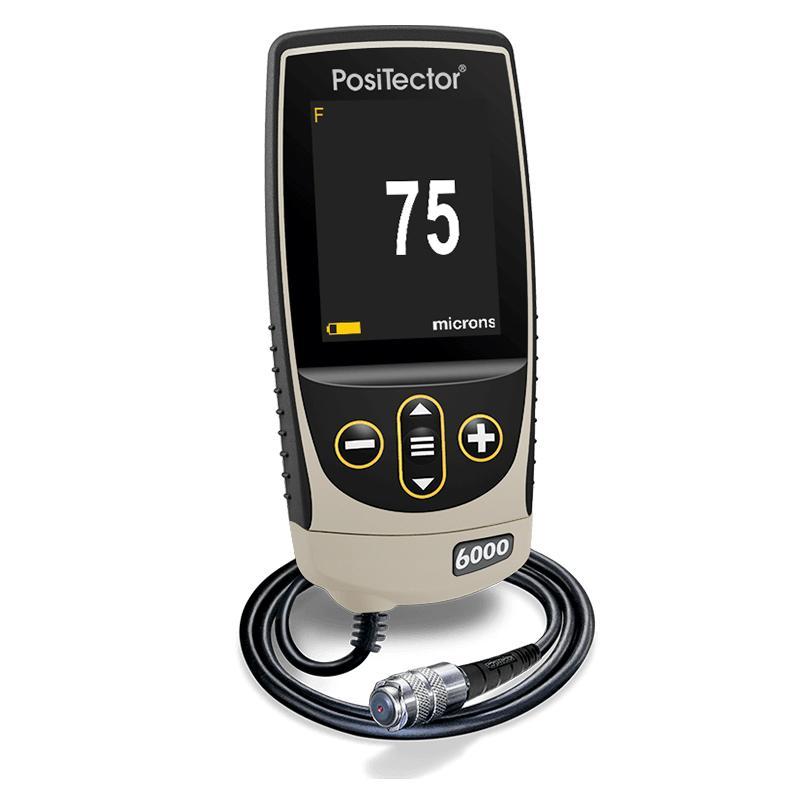
Precautions
1. Care should be taken to keep the measuring instrument clean and dry during use to avoid the influence of moisture and dirt.
2. The measuring instrument should be calibrated before the measurement to ensure the measurement accuracy and accuracy.
3. When measuring, the flatness and smoothness of the surface of the material to be tested should be guaranteed to avoid affecting the measurement results due to poor surface conditions.
4. Avoid excessive impact and vibration on the instrument during use, so as not to affect the measurement accuracy and instrument life.
5. After the instrument is used, it should be kept properly, and regularly inspected and maintained to ensure stable performance and long-term reliable use of the instrument.