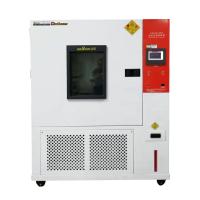
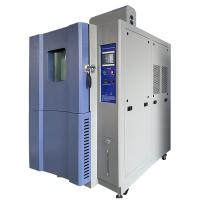
What is high-low temperature test?
High-low temperature test is a commonly used material or product performance testing method, which aims to evaluate the tolerance and performance of substances in extreme temperature environments.
In the high-low temperature test, the tested material or product is usually placed in a high-low temperature cycle test box to simulate the temperature change during actual use. During the test, the tested substance is subjected to multiple cycles of high temperature and low temperature environments, each cycle including a high temperature environment and a low temperature environment.
In a high-temperature environment, the temperature in the Test Chamber is usually raised to a certain temperature, such as 70°C, 80°C or 100°C. In a low temperature environment, the temperature in the Test Chamber is usually lowered to a certain temperature, such as -20°C, -30°C or -40°C. In each temperature environment, the performance of the tested substance will be recorded to evaluate its resistance and performance.
Common high-low temperature tests include:
Coefficient of thermal expansion test: test the rate of change of expansion of a substance at high temperature to evaluate its heat resistance.
Heat deformation test: Test the deformation of the substance at high temperature to evaluate its heat resistance.
Anti-cold brittleness test: test the toughness and strength of the substance at low temperature to evaluate its cold resistance.
Low temperature flexibility test: test the flexibility and elasticity of the substance at low temperature to evaluate its cold resistance performance.
Sealing test: test the sealing performance of the substance under high-low temperature cycle conditions to evaluate its durability.
Through high-low temperature tests, the tolerance and performance of substances in actual use environments can be evaluated, providing strong support for the development and design of materials and products.
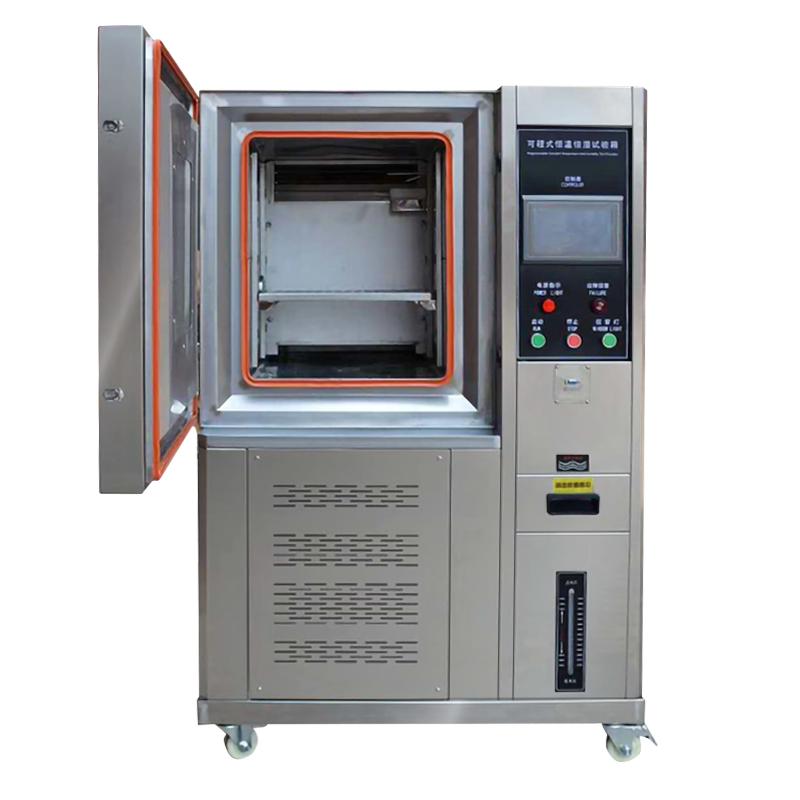
working principle
The working principle of the high-low Temperature Test Chamber is mainly based on the principles of thermodynamics and physics.
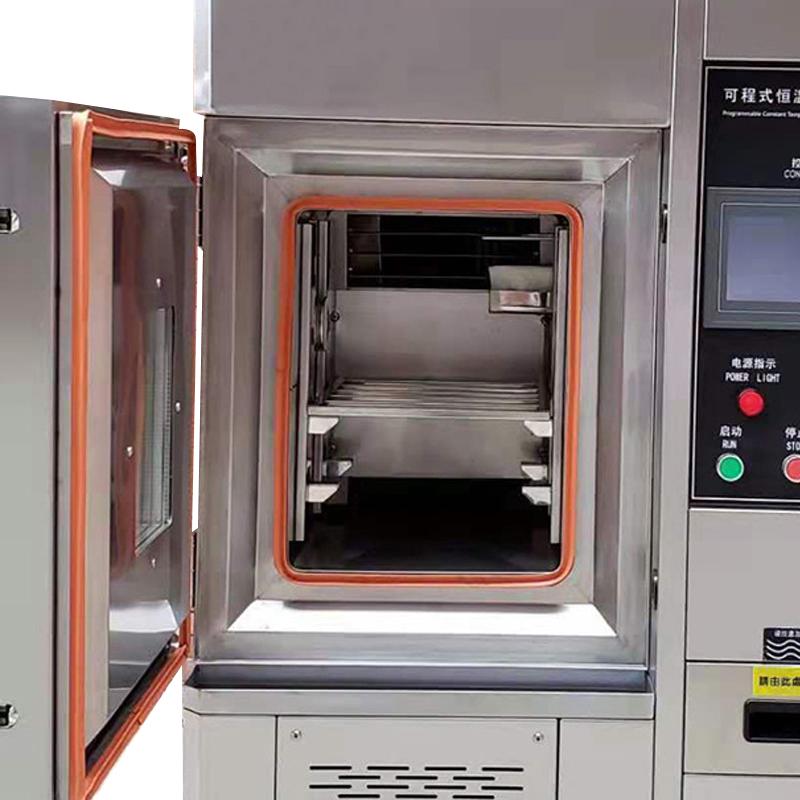
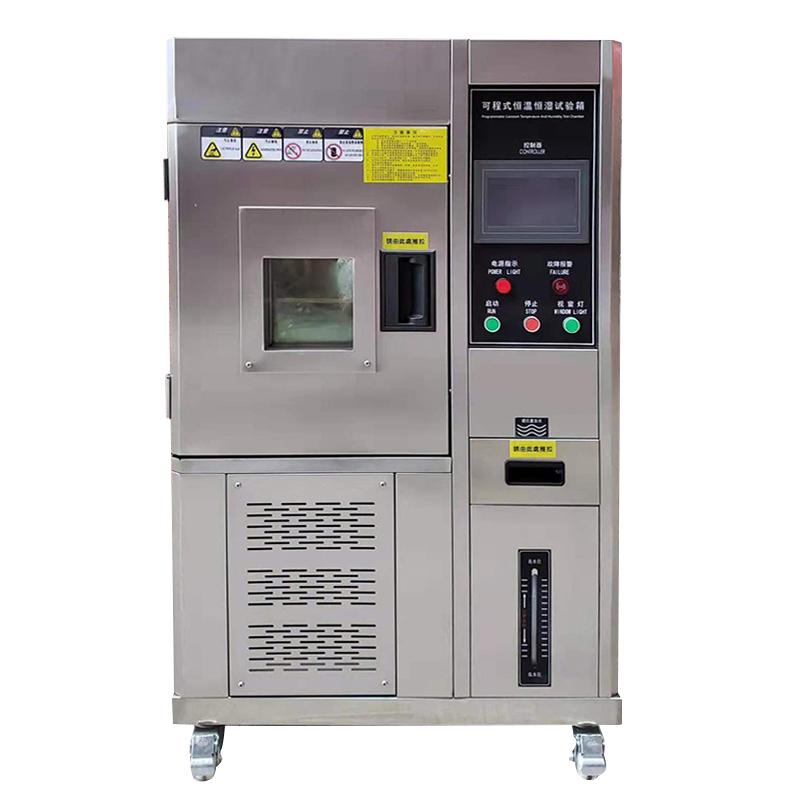
The main components of the high-low Temperature Test Chamber include temperature control system, heating system, cooling system, ventilation system and control system, etc. Among them, the temperature control system is the core component, and its function is to control the temperature in the Test Chamber to make it reach the predetermined high-low temperature cycle conditions.
High-low Temperature Test Chambers usually use LCD screens and microprocessor control systems, which can automatically perform high-low temperature cycle tests according to the set temperature range and time parameters. During the test, the heating system and the cooling system respectively raise and lower the temperature in the Test Chamber to simulate the temperature change during actual use.
The heating system of the high-low Temperature Test Chamber is usually composed of an electric heater, a hot air circulation system and a temperature sensor, which can quickly increase the temperature in the Test Chamber and maintain a stable temperature state. The cooling system is usually composed of a compressor and a refrigerator, which can quickly reduce the temperature in the Test Chamber and maintain a stable low temperature state.
During the test, the ventilation system can maintain the ventilation state in the Test Chamber to ensure the air circulation in the Test Chamber and avoid the influence caused by uneven temperature.
Application field
High-low Temperature Test Chambers are usually used in the following aspects:
Material research and development: The high-low Temperature Test Chamber can simulate various extreme environments, evaluate and test the tolerance and performance of materials, and help researchers develop new materials that are more suitable for various complex environments.
Product testing: High-low Temperature Test Chambers can simulate various environmental conditions to test and evaluate the performance and quality of products, including testing of various products such as electronic products, auto parts, and aerospace equipment.
Production quality control: The high-low Temperature Test Chamber can test and screen the products in the production process to ensure that the produced products meet the quality requirements and improve the reliability and stability of the products.
Environmental testing: High-low Temperature Test Chambers can simulate different environmental conditions, test the performance and tolerance of various materials and products in different environments, and provide scientific basis for environmental protection and pollution control.

Operation example
The operation steps of the high-low Temperature Test Chamber are as follows:
Turn on the power: first connect the high-low Temperature Test Chamber to the power supply, then press the power switch, and after the Test Chamber system starts, follow the screen prompts to enter the operation interface.
Set the temperature range: In the operation interface, select the temperature range to be tested, and input parameters such as target temperature and test time.
Place the sample: place the sample to be tested in the test box, place the sample in the test area in the test box, and ensure that the sample is placed in the correct position.
Start test: Press the start test button in the operation interface, the high-low Temperature Test Chamber will automatically start the temperature rise and fall cycle test. During the test, the temperature change and test results can be observed in real time, recorded and analyzed.
测试结束:当测试时间到达设定值时,高低温试验箱会自动停止测试,并进行数据分析和记录。此时,可以将样品取出,并According to测试结果进行相应的处理和判断。
南北潮提醒您:在操作高低温试验箱时,应According to试验箱的使用说明书和操作手册进行操作,遵守操作规程和注意事项,确保测试结果的准确性和可靠性。同时,在测试过程中,应定期检查和维护试验箱的各项功能和性能,以确保试验箱的正常运行和长期稳定性。
如何选型?
选择高低温试验箱的关键点包括以下几个方面:
测试需求:首先需要明确自己的测试需求,包括测试温度范围、温度精度、测试时间等参数。According to测试需求,选择符合要求的高低温试验箱。
性能指标:高低温试验箱的性能指标包括温度范围、温度波动度、温度均匀性、加热速率、制冷速率、加热功率、制冷功率等参数。选择试验箱时,需要考虑这些参数是否符合测试需求。
控制系统:高低温试验箱的控制系统包括温度控制、湿度控制、时间控制等部分。选择试验箱时需要考虑控制系统的稳定性、精度和易用性。
安全性能:高低温试验箱在使用过程中需要考虑其安全性能,包括过热保护、过流保护、电源故障保护等功能。选择试验箱时需要关注其安全性能是否符合要求。
品牌厂家:选择高低温试验箱时,应选择有良好品牌口碑和技术支持的厂家。这些厂家的试验箱质量更有保障,售后服务更加完善。
常见问题
常见的高低温试验箱问题包括以下几个方面:
温度不稳定:高低温试验箱的温度稳定性是关键性能指标之一,如果温度不稳定,会导致测试结果不准确。温度不稳定的原因可能是试验箱控制系统故障、温度传感器损坏等问题。
Temperature deviation: The temperature deviation of the Test Chamber may also affect the accuracy of the test results. The possible reasons include aging of the heating element of the Test Chamber, failure of the control system, etc.
Inaccurate humidity control: Some high-low Temperature Test Chambers have the function of humidity control. If the humidity control is inaccurate, it will also affect the accuracy of the test results. The reason for the inaccurate humidity control may be the failure of the control system, the damage of the humidity sensor and other problems.
Excessive noise: The high-low Temperature Test Chamber may produce noise during use. If the noise is too loud, it will affect the working environment and operator comfort. Excessive noise may be caused by a malfunctioning cooling system or heating system of the Test Chamber.
Improper maintenance: The high-low Temperature Test Chamber needs regular maintenance during use, such as cleaning, inspection and replacement of parts, otherwise it will lead to performance degradation or failure of the Test Chamber.