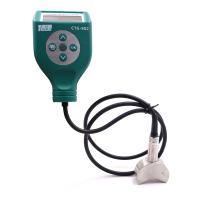
Wet film and dry film are two concepts that are often involved in the film coating process. Wet film refers to the thin film of paint applied to the substrate but not yet dried, while dry film refers to the film formed after the paint has completely dried.
When a coating is applied to a substrate, the wet film is the first to form. A wet film is usually thicker than a dry film because it contains solvents and moisture from the paint that evaporate during drying, resulting in a thinner dry film. In addition, properties such as gloss, clarity and surface finish of the paint will change as the drying process proceeds.
Significance of controlling wet/dry film thickness
Good control of wet and dry film thickness is very important for both paint and finishing processes. Here are a few reasons:
Affects coating quality: Wet and dry film thickness directly affects the performance and appearance of the coating. If the wet film thickness is too large or too small, the dry film thickness will deviate from the target value accordingly, resulting in poor appearance, poor gloss, poor adhesion and other quality problems of the coating.
Affect the utilization rate of paint: If the thickness of wet film and dry film is not properly controlled, it will lead to waste of paint. If the wet film thickness is too high, more paint will be used, increasing costs. If the dry film thickness is too thin, additional coats will be required to achieve the desired coat thickness.
Affecting the coating process: The thickness of the wet and dry film also affects the coating process. If the dry film thickness is too large, it will affect the drying speed of the coating, resulting in a decrease in production efficiency. If the dry film thickness is too thin, multiple coats may be required, increasing production time and cost.
Therefore, controlling the wet film and dry film thickness is a very important step in the coating and coating process, which is conducive to improving the quality of the coating, reducing costs and improving production efficiency.
Wet film preparation method
Wet film is a preparation method that dissolves paint in a solvent and coats it on a substrate, and then solidifies the paint to form a thin film by evaporating the solvent. The following are general wet film preparation methods:
Preparation of paint solution: Dissolve the required paint in an appropriate solvent. Usually, it is necessary to mix and stir the paint and solvent according to a certain ratio until the paint is completely dissolved in the solvent.
Coating: Coating the coating solution on the substrate, usually by brushing, spraying, rolling, dipping and other methods. When coating, attention should be paid to the uniformity of the coating thickness and to avoid defects such as air bubbles and impurities.
Drying: After the coating is completed, the substrate needs to be placed in an appropriate environment to evaporate the solvent in the coating and form a solid film. Drying time usually depends on coating thickness, solvent evaporation rate, drying conditions and other factors.
During the preparation of wet film, factors such as coating thickness and solvent volatilization speed need to be well controlled to ensure that the prepared film has better quality and performance. In actual production, it is usually necessary to optimize the coating process, such as adjusting the concentration of the solution and selecting an appropriate coating process to improve the quality of the coating film.
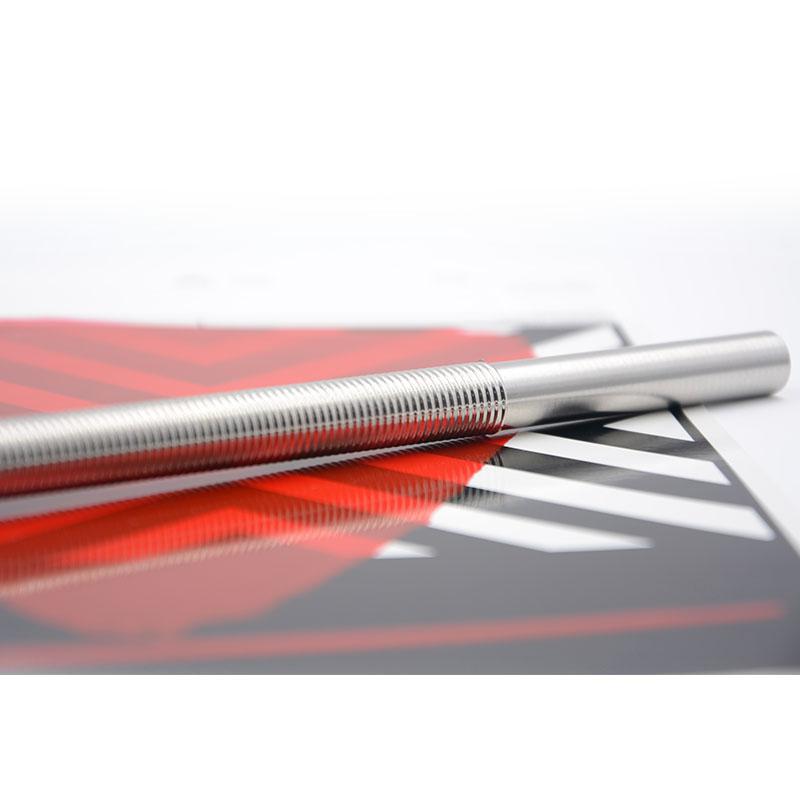
How to measure wet film thickness?
Measuring wet film thickness is an important step in paint production and surface finishing. The following are several common wet film thickness measurement methods:
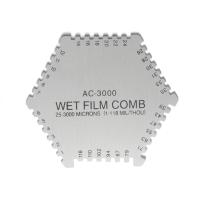
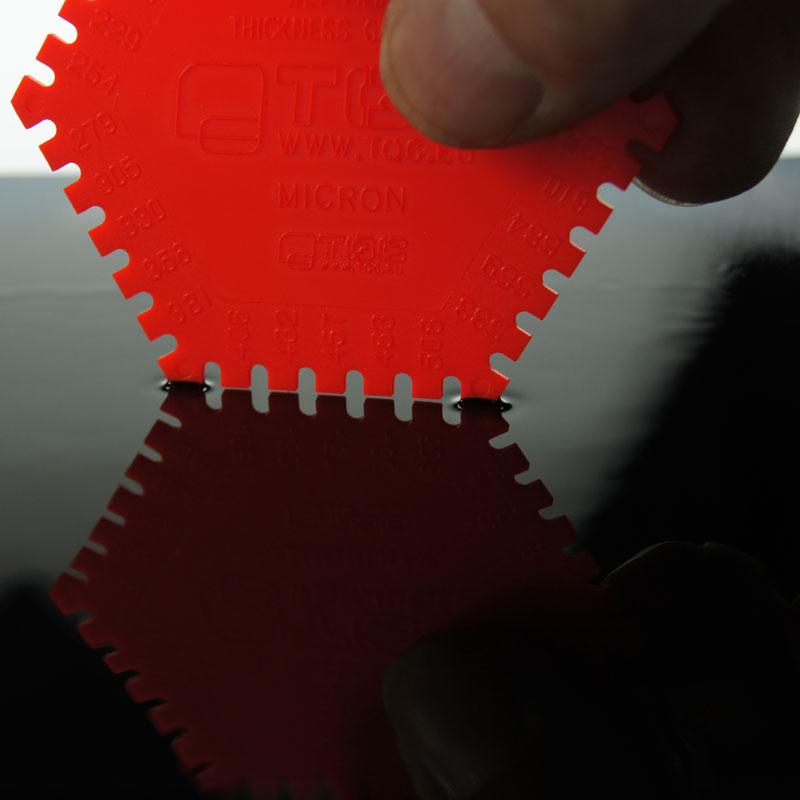
Comb Gauge: This is a common method used to measure wet film thickness. The comb gauge is made of a flat metal plate with different U-shaped teeth. The coating is applied to the board and the comb gauge is vertically clamped on the coating film, so that the thickness of the film layer can be measured by contacting the wet film with U teeth of different thicknesses.
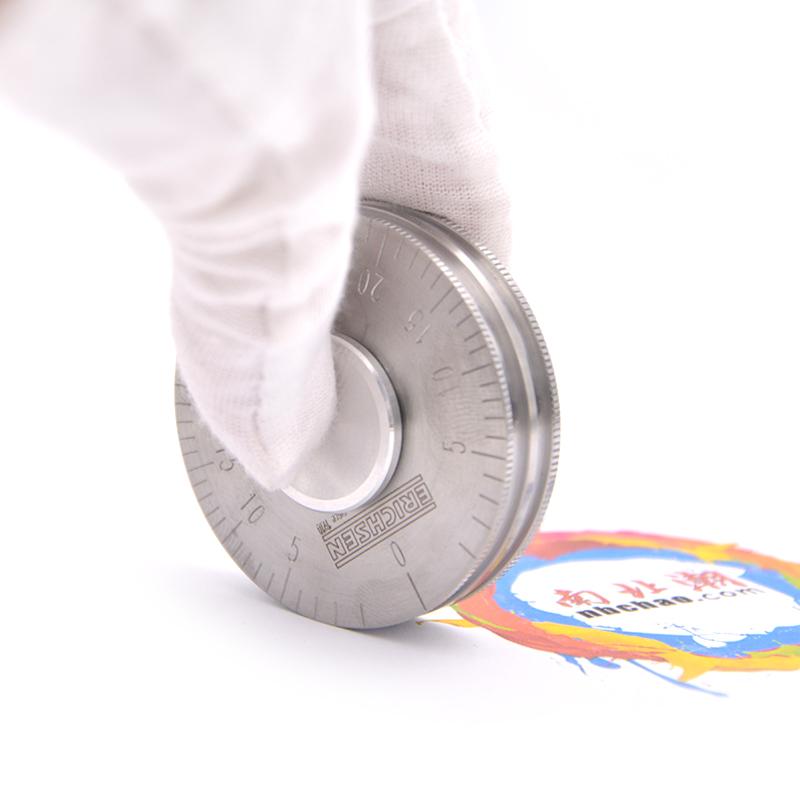
Wheel gauge: The wheel gauge is an eccentric wheel with different wet film thickness scales on it. By rolling on the surface of the wet film, the paint can read the wet film thickness at the point of contact with the scale.
Electronic coating thickness meter: This method mainly measures the wet film thickness through the principle of non-contact infrared rays, and is generally used in powder coatings.
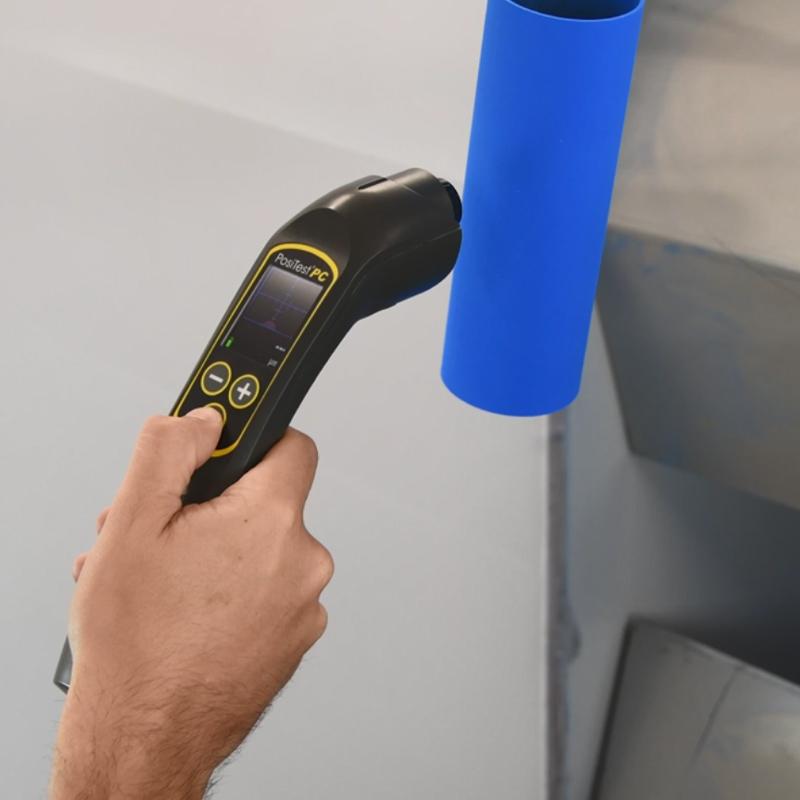
North and South Tide Tips: Different types of paint and coating films may require different measurement methods. Calibration should be performed before measurement to ensure that the results obtained are accurate. In addition, defects such as bubbles and scratches should be avoided during the wet film measurement process to ensure the reliability of the measurement results.
How to measure dry film thickness?
Measuring dry film thickness is an important step in paint production and surface finishing. The following are several common dry film thickness measurement methods:
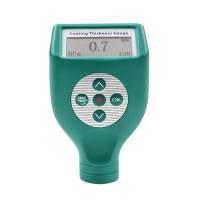
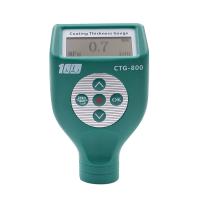
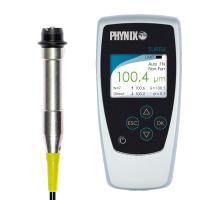
Coating Thickness Gauge: This is a common method of measuring dry film thickness. Coating Thickness Gauges usually use magnetic force or eddy current, ultrasonic to measure the thickness of dry film. When measuring, put the coating Thickness Gauge on the surface of the coating film, and read the measurement results on the pointer or digital display.
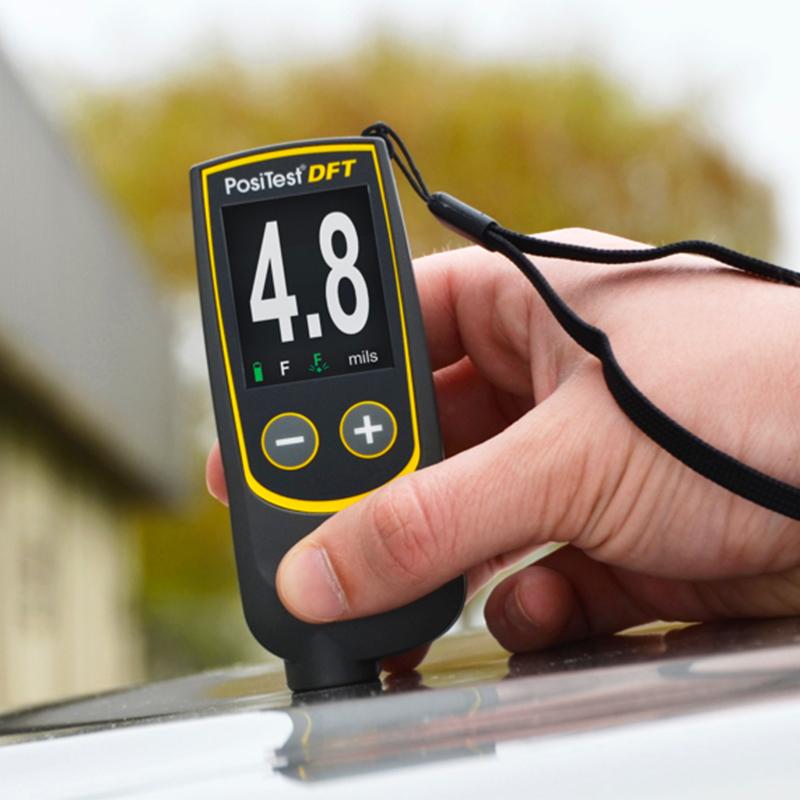
Mechanical Film Thickness Gauge: This type is generally used for strange substrates, and it is difficult to measure through the above principles. The coating is scratched mechanically, and the dry film thickness is calculated according to the reading on the magnifying glass. .
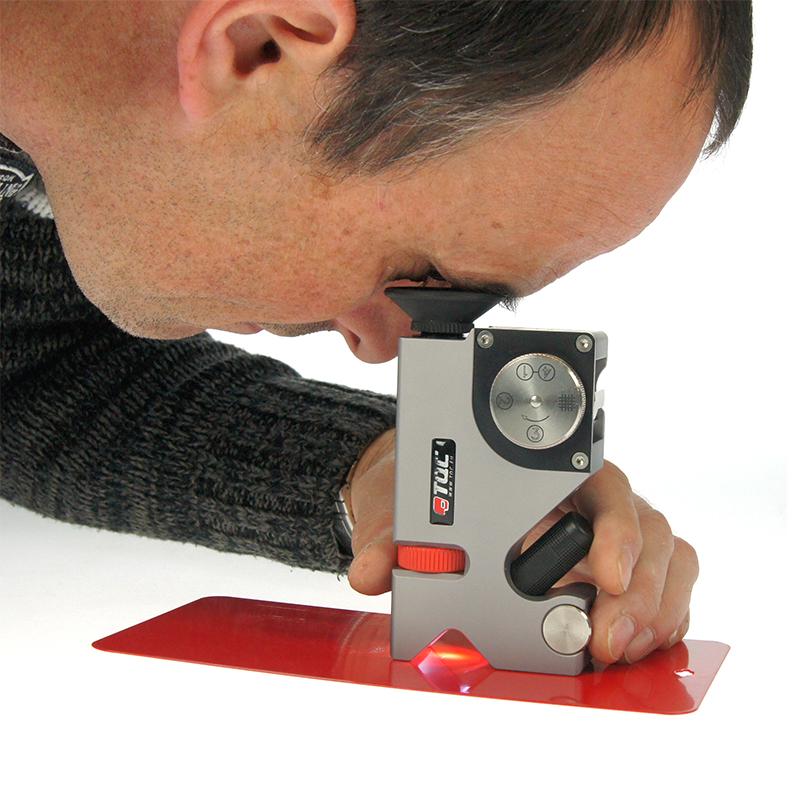
NBCHAO reminds you: During the dry film thickness measurement process, defects such as air bubbles and scratches should be avoided to ensure the reliability of the measurement results. In addition, in order to ensure the accuracy of the measurement, the correct measurement method and appropriate measurement equipment should be used. Calibration should also be performed before taking measurements to ensure that the results obtained are accurate.