Colloidal material is a kind of material with high viscosity and plasticity. It has a certain degree of viscosity and ductility. It usually shows the characteristics of being deformed under the action of force and returning to its original shape after the force is stopped. They are usually made of high molecular weight polymers or other gelatinous substances.
Colloidal materials are used in a wide range of industries, including glues, sealants, tapes, rubber products, and more. They usually have excellent sealing performance, sound absorption performance, vibration isolation performance, waterproof performance, etc., and are widely used in construction, aerospace, automotive, electronics, medical and other fields.
Due to the complex nature and special application requirements of colloidal materials, it is very important to test and study their properties. Common tests include rheological properties test, viscosity test, tensile strength test, abrasion resistance test, etc.
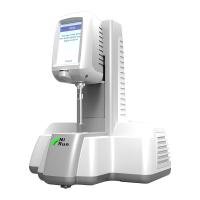
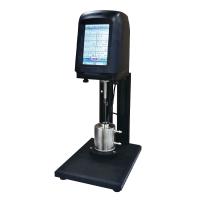
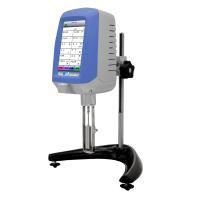
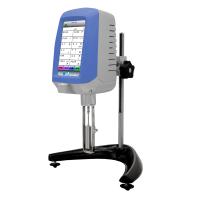
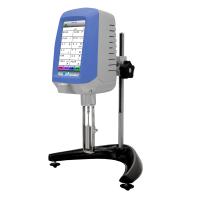
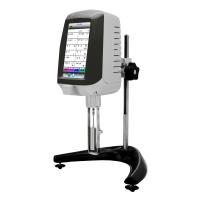
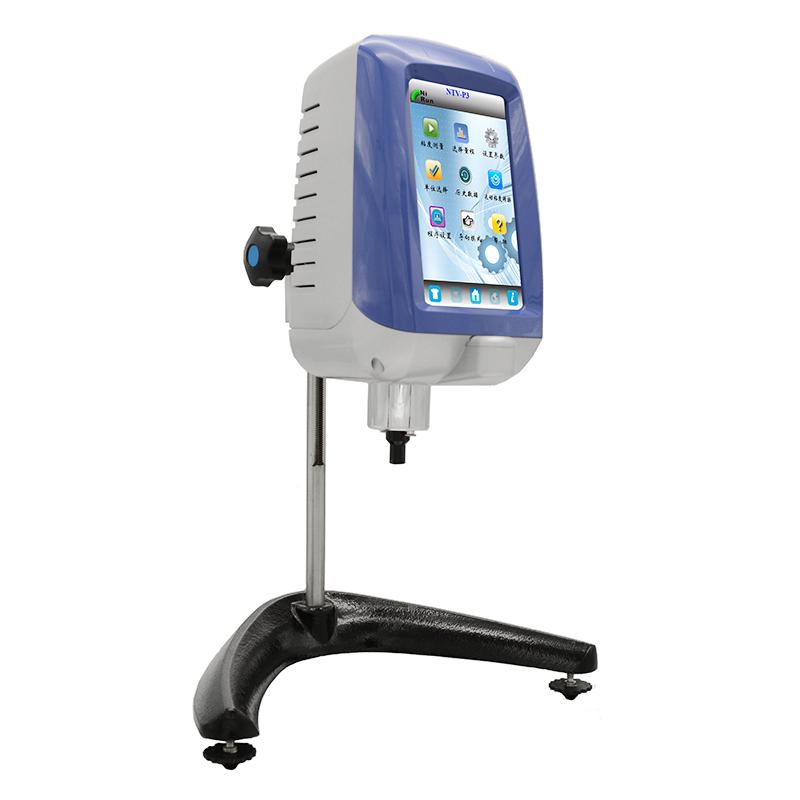
Rheological testing of colloidal materials usually requires the use of a rheometer. A rheometer is an instrument specially used to test the rheological properties of substances. It can measure the stress-strain or shear stress-shear rate relationship of substances, thereby revealing the rheological properties of substances.
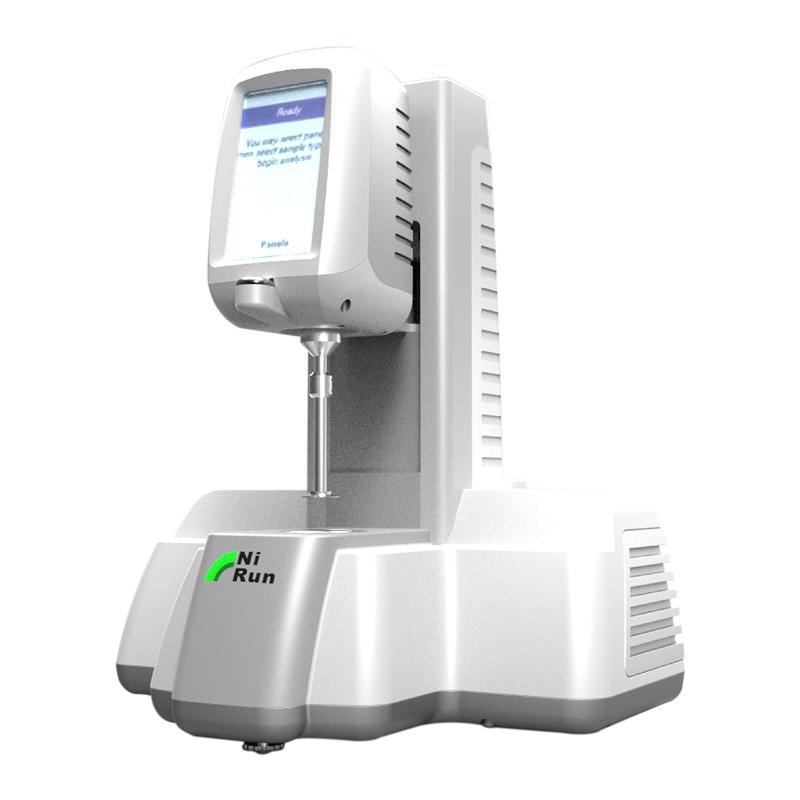
The following are general procedures for testing the rheological properties of colloidal materials using a rheometer:
Prepare the sample: punch the gel-like material into the sample shape, such as disc, sphere, cylinder, etc. It is usually necessary to degas the sample before measurement to remove air bubbles.
Install the sample: place the sample in the sample chamber of the rheometer, and select a suitable test fixture for fixing according to the shape of the sample.
Set test parameters: select the appropriate test mode, such as shear mode, compression mode, etc., and set the corresponding test parameters, such as shear rate, test temperature, etc.
Start the test: start the rheometer to test and record the test data. Test data may include stress-strain curves, shear stress-shear rate curves, composite stress moduli, and the like.
Analysis of test results: Analyze the rheological properties of the colloidal material according to the test results, such as its viscosity, elastic modulus, plastic viscosity, flow index, etc.
North and South Chao reminds you: the rheological properties of colloidal materials are affected by many factors, such as temperature, shear rate, time, etc., so these factors need to be controlled during testing to ensure the accuracy and comparability of test results.