Coating resin is an important part of coatings. It refers to organic compounds with polymer structure used in coatings. Its role in coatings is to provide properties such as viscosity, hardness, adhesion, gloss, and durability of coatings. , and enhance the mechanical properties and chemical resistance of the coating.
Coating resins generally include the following categories:
Epoxy resin: has excellent chemical stability, adhesion, wear resistance and electrical insulation properties, and is widely used in coatings, adhesives, plastics and other fields.
Polyester resin: It has excellent light resistance, weather resistance, corrosion resistance and chemical resistance, and is widely used in construction, automobile, furniture and other fields.
Acrylic resin: It has good transparency, weather resistance and UV resistance, and is widely used in coatings, optical materials, adhesives and other fields.
Polyurethane resin: has excellent wear resistance, chemical resistance, oxidation resistance and corrosion resistance, and is widely used in coatings, adhesives and other fields.

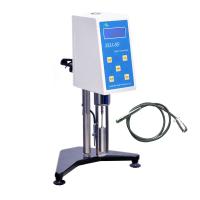
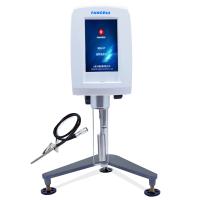
The viscosity of resins used in coatings can be measured using a viscometer. The following is a general procedure for measuring the viscosity of resins used in coatings using a viscometer:
Prepare the sample: Pour the resin sample into a clean cup, usually need to stir well first to ensure the homogeneity of the sample.
Prepare the viscometer: clean the rotating cylinder or disc of the viscometer, and adjust the viscosity value before measurement.
Viscosity measurement: Put the rotating cylinder or disc of the viscometer into the sample, start the viscometer to measure, and record the measurement data. In the measurement, it is necessary to select the appropriate rotational speed and temperature conditions for measurement according to the properties of the resin and the measurement requirements.
Analysis of test results: analyze the viscosity of the resin according to the measurement results, usually the parameters such as dynamic viscosity or kinematic viscosity of the resin can be calculated according to the measured values.
NBCHAO reminds you: the viscosity of resin is affected by many factors, such as temperature, solvent content, solid content, molecular weight, etc., so these factors need to be controlled during measurement to ensure the accuracy and comparability of test results. In addition, when using a viscometer to measure the viscosity of the resin, care must also be taken to avoid the interference of air bubbles and particulate matter to ensure the accuracy of the test results.