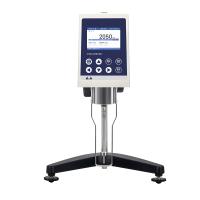
PVDF is a polymer material with excellent mechanical properties, chemical stability and thermal stability. It is widely used in fields such as membrane materials, power electronics, and biomedicine. When applying PVDF materials, the test of the viscosity of its organic solvent is an important performance index, and the viscosity test of its organic solvent can usually be tested by methods such as Rotational Viscometer or low shear rate viscometer.
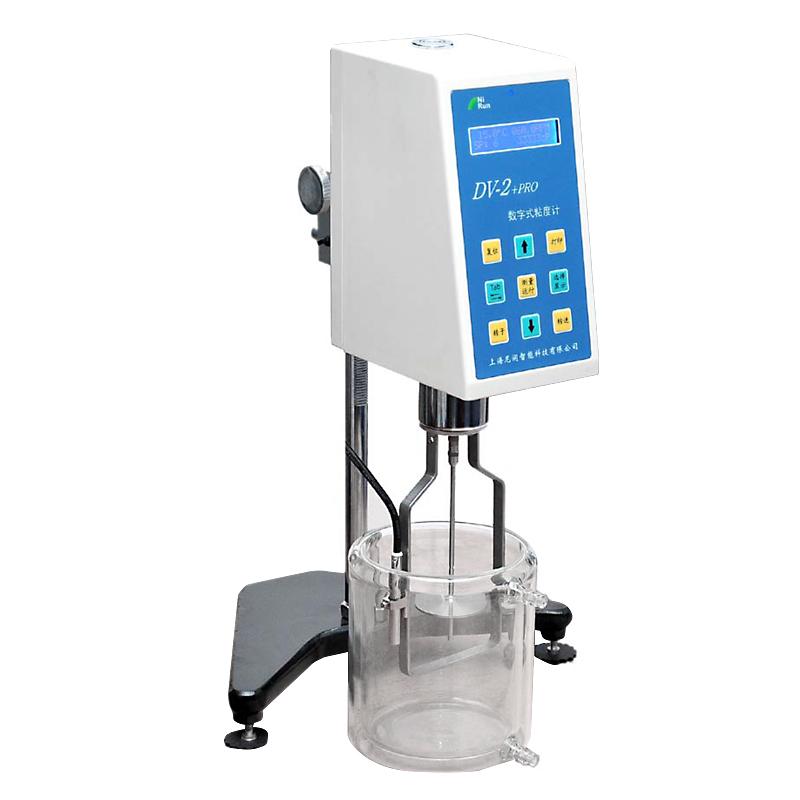
The following is a common Rotational Viscometer test method:
Sample preparation: Dissolve PVDF in an organic solvent to prepare a solution with a certain concentration.
Prepare the Rotational Viscometer: Place the Rotational Viscometer in a constant temperature Water Bath and adjust the temperature to the desired temperature.
Measurement: Take an appropriate amount of solution and put it into the sample tank of the Rotational Viscometer, turn on the Rotational Viscometer and start the test. A Rotational Viscometer rotates a sample in a sample well and measures its viscosity. At a stable reading, record the viscometer reading.
Cleaning: After the test is completed, use the corresponding solvent to clean the sample tank and Rotational Viscometer for the next test.
NBCHAO reminds you: the viscosity of PVDF solution may be affected by many factors such as concentration, temperature, solvent type, pH value, etc. Therefore, it is necessary to select appropriate conditions according to specific experimental requirements during testing. In addition, different types of Rotational Viscometers may have different measurement ranges and accuracy, so you need to pay attention to these factors when selecting and using a Rotational Viscometer.