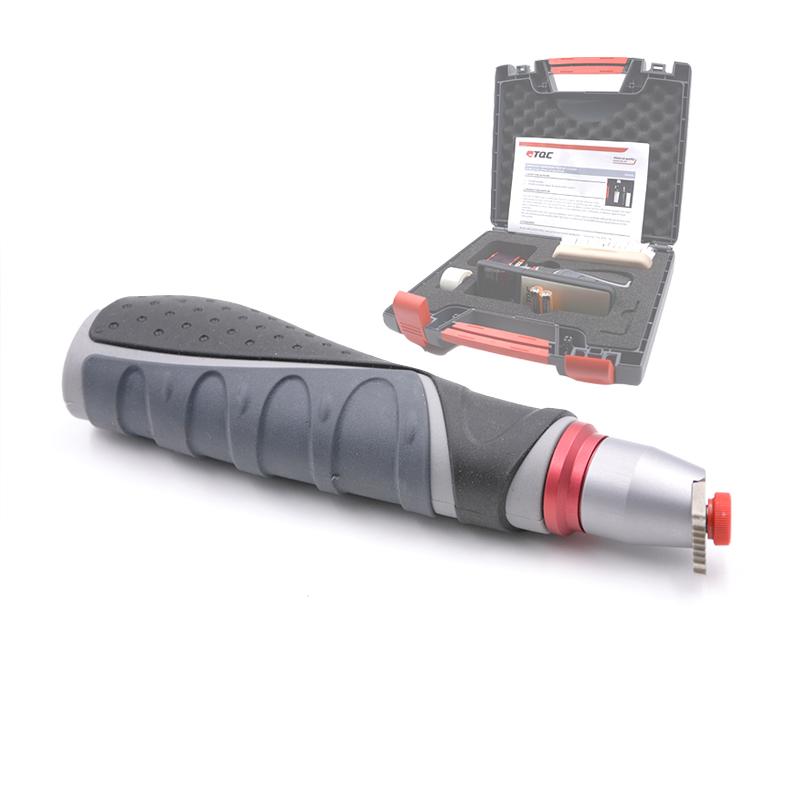


TQC SP1699 Single Cross Hatch Cutter Set CC2000 Series
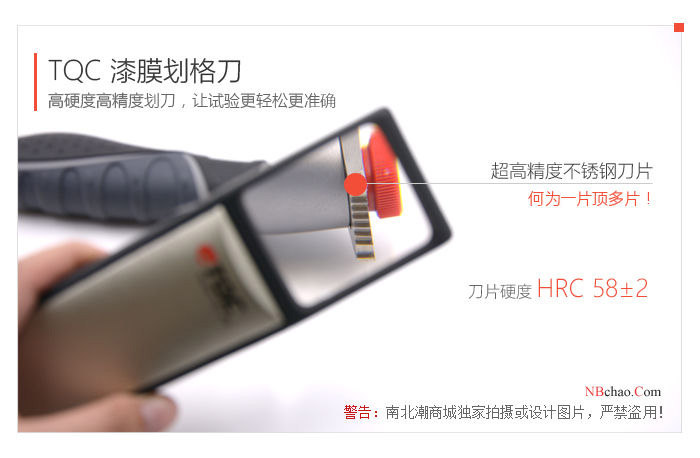
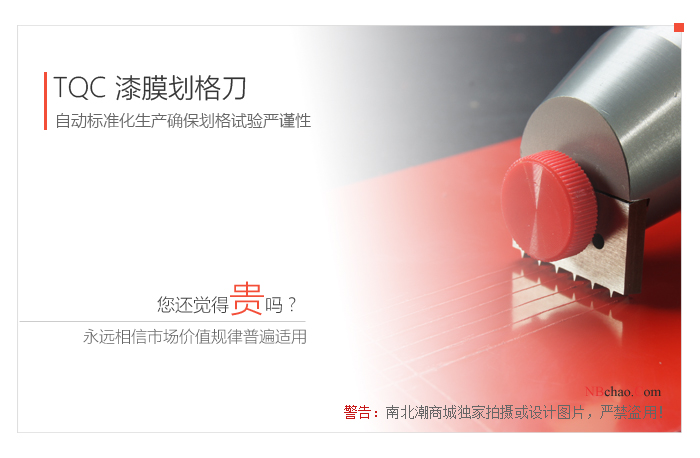
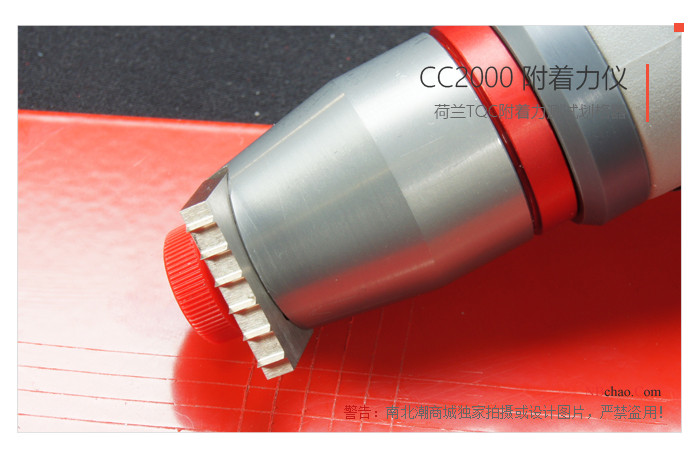
11 teeth, tool tooth spacing 1mm, instrument material vacuum hardened stainless steel, aluminum, rubber, application standard ASTM D3359-2009, suitable for film thickness environment 0~50µm
 TQC sheen
 SP1699

-
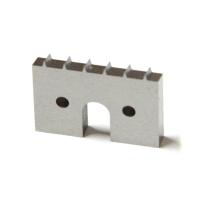
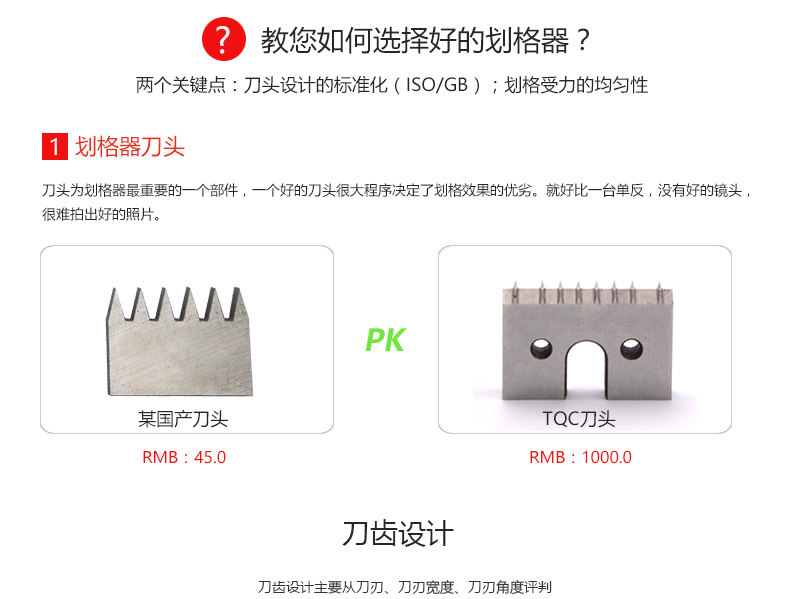
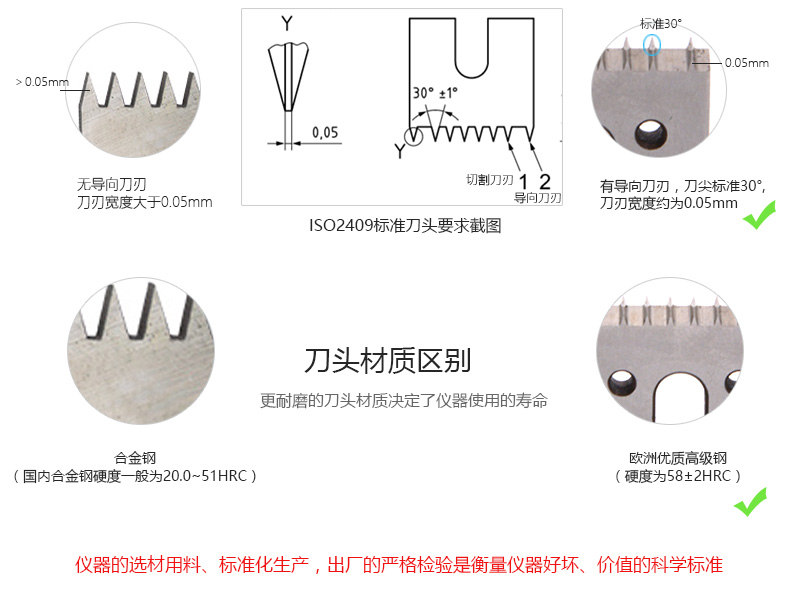
TQC SP1703 cross-cut cutter head 6 teeth, spacing 2mm for CC2000/CC3000 series
$ 371.00 -
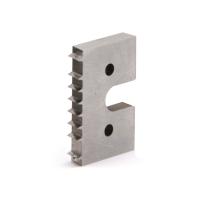
TQC SP1704 cross-cut cutter head 6 teeth, spacing 3mm for CC2000/CC3000 series
$ 371.00 -
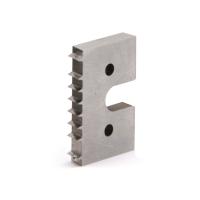
TQC SP1705 cross-cut cutter head 11 teeth, spacing 1mm Suitable for CC2000/CC3000 series
$ 389.00 -
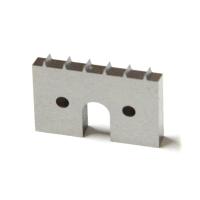
TQC SP1706 cross-cut cutter head 11 teeth, spacing 1.5mm for CC2000/CC3000 series
$ 387.00 -
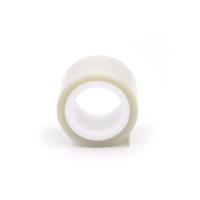
TQC SP3010 adhesion tape tack good not degumming mass performance stable
$ 162.00

Introduction
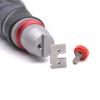
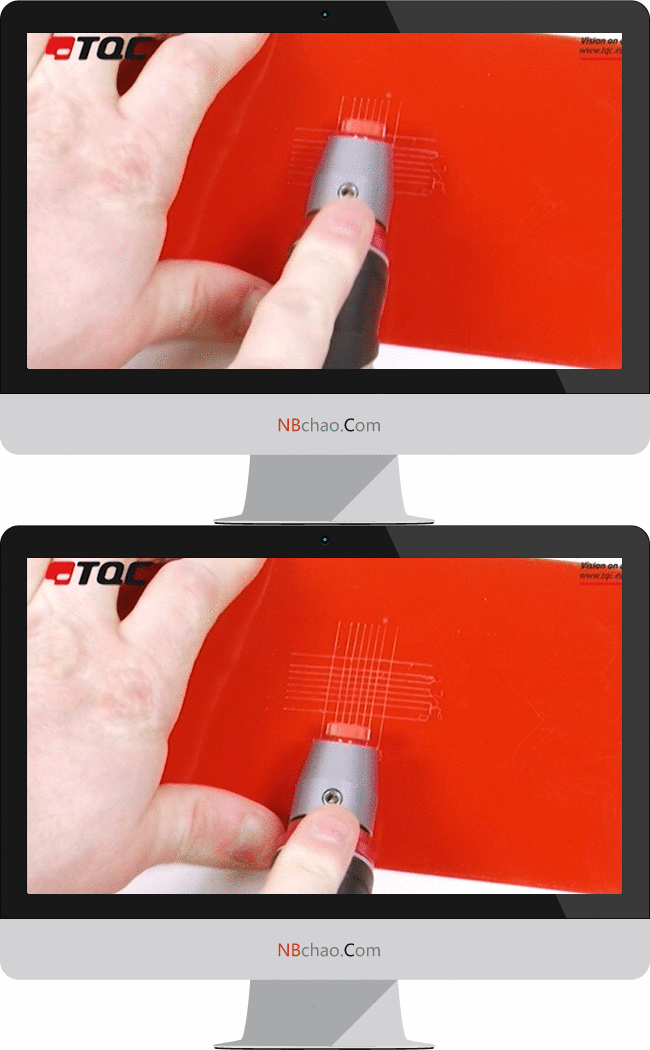
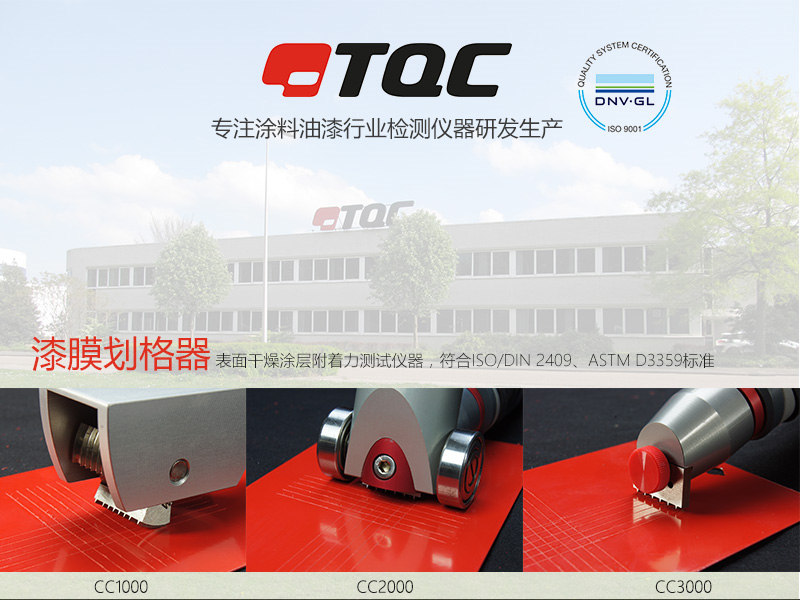
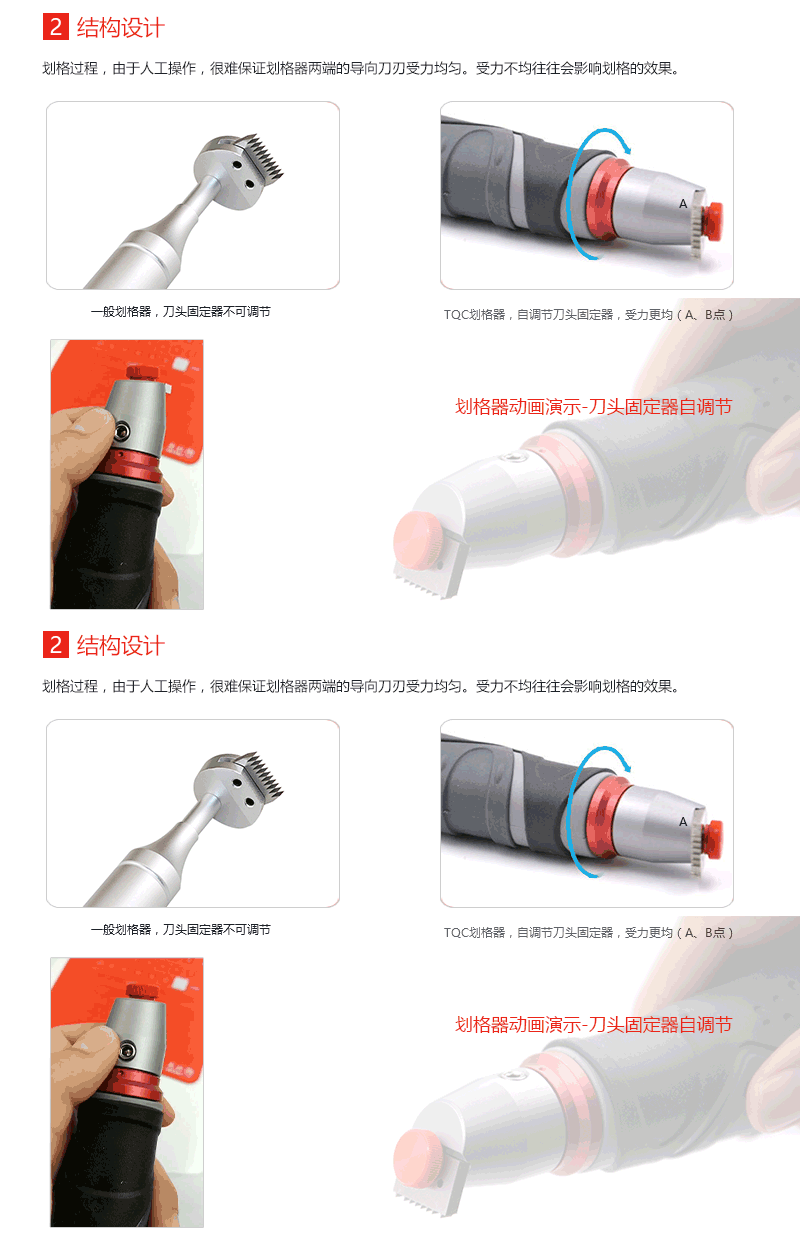
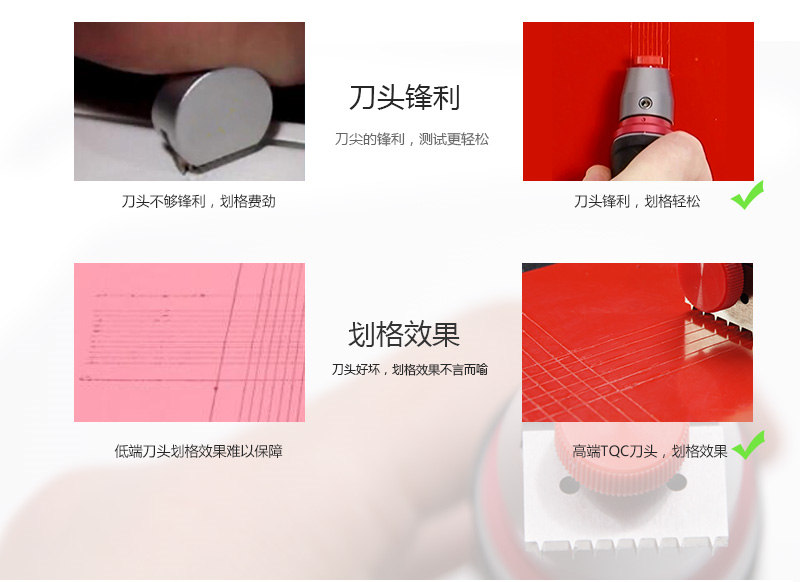
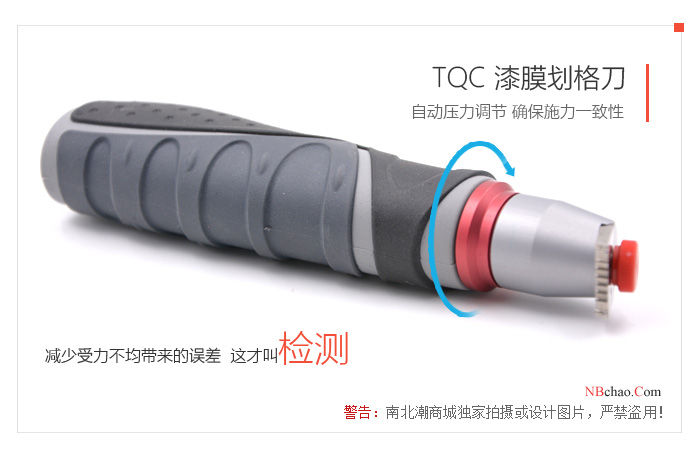
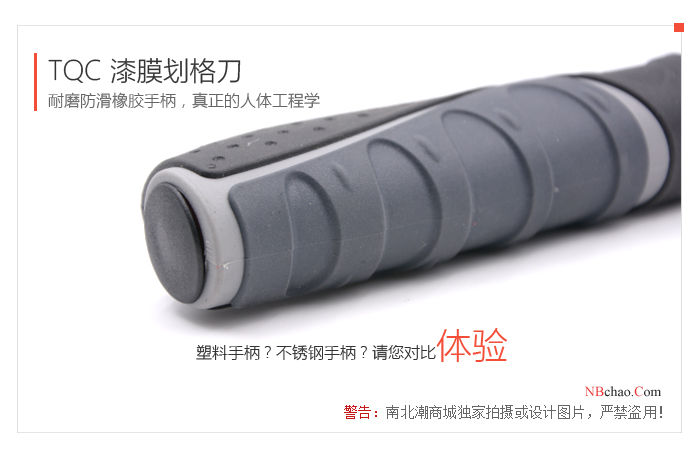
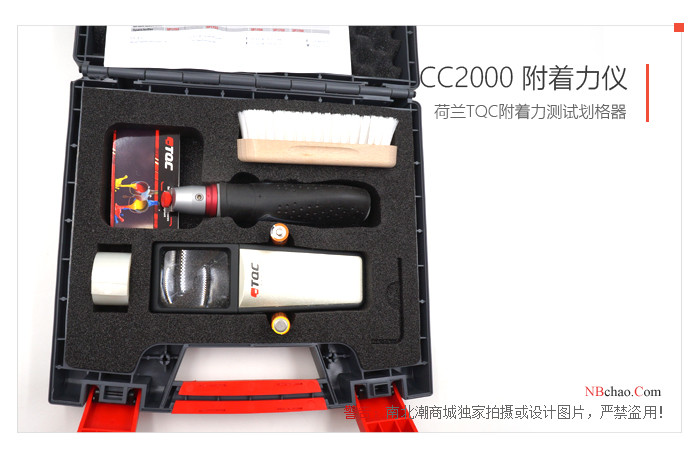
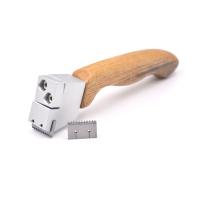
The TQC CC2000 single cross-hatch adhesion Tester series includes five models: SP1690, SP1691, SP1692, SP1699, and SP1700. It has a holder design that can automatically adjust the blade and a rotating handle to balance the pressure on the blade without requiring additional The tool can be changed into a cutter. TQC's single scratcher is imported from the Netherlands and has tools that can be used to detect different coating film thicknesses and substrate adhesion according to standards. Each set of paint film adhesion Tester is composed of a lightweight and comfortable handle and a tough knife, and the specifications are easy to carry. Also includes brushes, small magnifying glass, and tape.


Related supporting products [need to be purchased separately]
SP9700 illuminated magnifying glass 2.5x
SP1710 nylon brush for adhesion testing
SP3010 tape, three rolls, adhesion 4.3 N/cm
SP3020 tape, one roll, adhesion 7.6 N/cm
SP3007 tape, one roll, adhesion 4.3 N/cm
Principle of cross-hatch experiment
The TQC brand paint adhesion Tester uses the cross-hatch method - the internationally recognized most simple and effective test method for testing adhesion. The adhesion of a sample can be quickly measured by simply making a series of different cuts on the dry coated paint on the substrate.
Simply put, the cross-hatch method is to use a row of 6/11 blades between the two outer conductors of the adhesion Tester to cut out two perpendicularly intersecting parallel lines to obtain 25 or 100 squares, and then in the area where the parallel lines intersect Use followed by a short treatment with a stiff brush or tape treatment on hard substrates to assess adhesion.
Product details
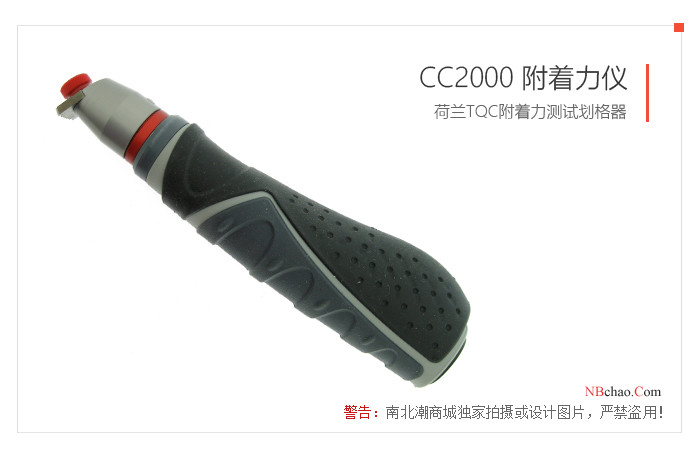
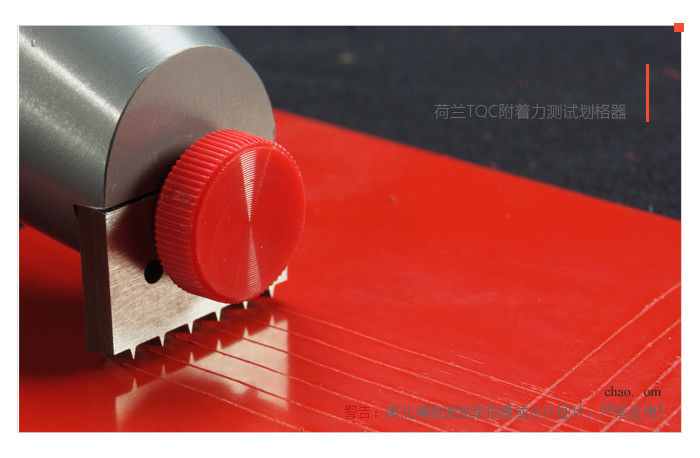
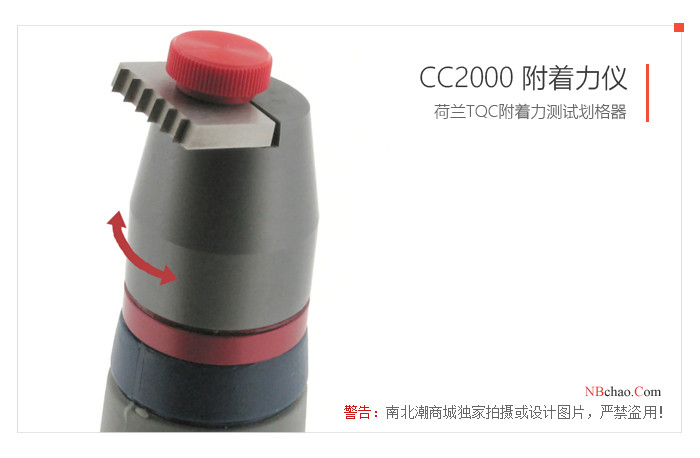
Comparison table of full range of adhesion Tester models
| TQC | Teeth | CC1000 | CC2000 | CC3000 | Suitable for thick film environment |
| cross-hatch adhesion Tester | - | Self-adjusting blade holder, round cutter with 8 cuts | Self-adjusting blade holder allows for easy changing of the cutter, with a rotating handle and no additional tools required | The blade holder maintains a fixed distance between the paint surface and the two auxiliary wheels, and the cutting depth can be accurately adjusted to ensure repeatability. | - |
| ISO2409/ASTM D3359 | 1 | VF1839 | SP1690 | SP1680 | ISO2409: 0~60μm (solid substrate) ; ASTM D3359: 0~50μm (solid substrate) |
| ISO2409 / ASTM D3359 | 2 | VF1842 | SP1691 | SP1681 | ISO2409: 0~60μm (soft substrate), 61-120μm (firm substrate ) ; ASTM D3359: 50~125 μm (solid substrate) |
| ISO/DIN2409 | 3 | VF1844 | SP1692 | SP1682 | 121-250μm (solid substrate ) |
| ASTM 3359ï¼2009 | 1 | VF1846 | SP1699 | SP1683 | 0~50μm (solid substrate ) |
| ASTM 3359 is less than 2009 | 1.5 | VF1847 | SP1700 | SP1684 | 50~125μm (solid substrate ) |
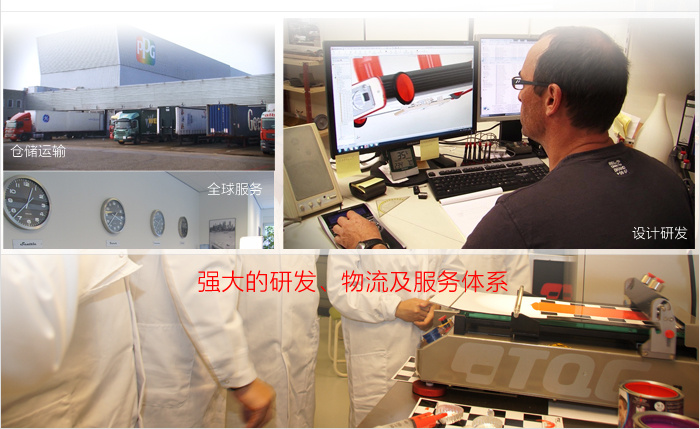
Take you into the Dutch TQC

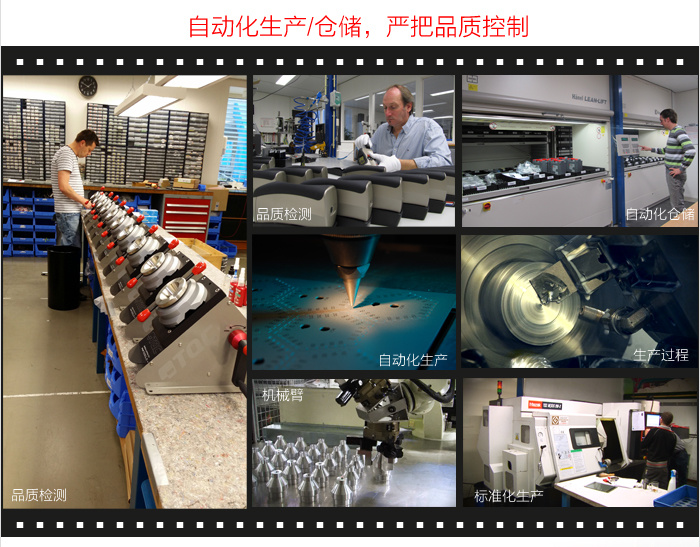
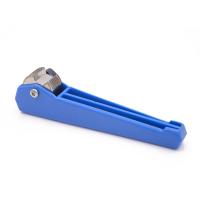
TQC sheen SP1699 Single Cross Hatch CutterSpecifications
| LIST | VALUE |
|---|---|
| Number of teeth | 11 teeth |
| Tooth spacing | 1mm |
| Instrument material | Vacuum hardened stainless steel, aluminum, rubber |
| Application standard | ASTM D3359-2009 |
| Applicable film thickness environment | 0~50µm |
| Appearance size | 32*173*42mm |
| Instrument Weight | 238g |
TQC sheen SP1699 Single Cross Hatch Cutter Packing list
Cross Hatch Cutter (including steel knife, handle) x1, 3M tape x1, brush x1, magnifying glass x1, Encasement box x1
[Note] Because the manufacturer's packaging may be updated or upgraded, the detailed packaging list shall be subject to the latest standard configuration of the manufacturer.
FAQ

- ActiveJJF 2163-2024
- ActiveGB/T 9286-2021
- AbolishTB/T 2260-1991
- ActiveHG/T 20720-2020
- ActiveHG/T 5776-2020
- ActiveHG/T 5187-2017
- ActiveHG/T 5299-2018
- ActiveHG/T 3829-2006
- ActiveASTM D3359-2023
- ReplacedGB/T 9286-1998
- ActiveASTM D6677-2022
- AbolishISO 2409-1992
- ActiveHG/T 2003-1991
- ActiveHG/T 2244-1991
- ActiveHG/T 2243-1991
- ActiveHG/T 2005-1991
- ActiveQB/T 1551-1992
- ActiveJB/T 7217-2008
- ActiveJB/T 7663.2-2007
- ActiveJB/T 6886-2010