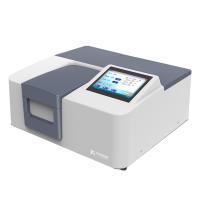
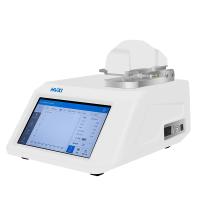
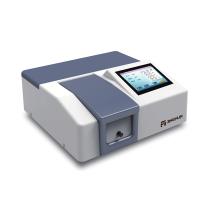
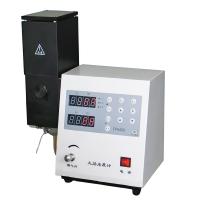
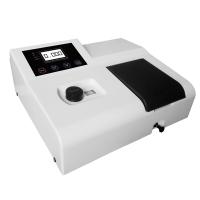
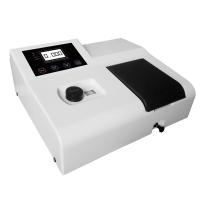
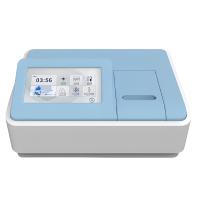
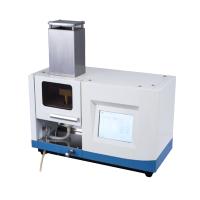
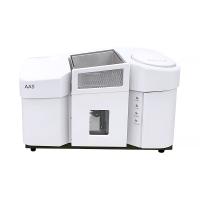
Visible Spectrophotometer , ultraviolet-visible Spectrophotometer , infrared Spectrophotometer , fluorescence Spectrophotometer and atomic absorption Spectrophotometer are all spectral analysis instruments, but they are applicable to different chemical analysis occasions and analysis methods. Their main differences are as follows:
Visible Spectrophotometer : It is mainly used to measure the absorption spectrum of substances in the visible light region, and is often used in the color determination of chemicals and the detection of additives in beverages, etc.
UV-Vis Spectrophotometer: It is mainly used to measure the absorption spectrum of substances in the ultraviolet and visible light regions. It can detect compounds at lower concentrations, and is usually used for protein, nucleic acid and drug analysis.
Infrared Spectrophotometer: It is mainly used to measure the absorption spectrum of substances in the infrared region, and can be used for the analysis of organic compounds, polymer materials, inorganic materials, etc.
Fluorescence Spectrophotometer : It is mainly used to measure the fluorescence spectrum emitted by substances under excitation light irradiation, and can be used for the detection of biomarkers and environmental pollutants, etc.
Atomic absorption Spectrophotometer : It is mainly used to measure the atomic absorption spectrum emitted by a substance under the irradiation of light of a specific wavelength, and is usually used for the analysis of metal and non-metal elements.
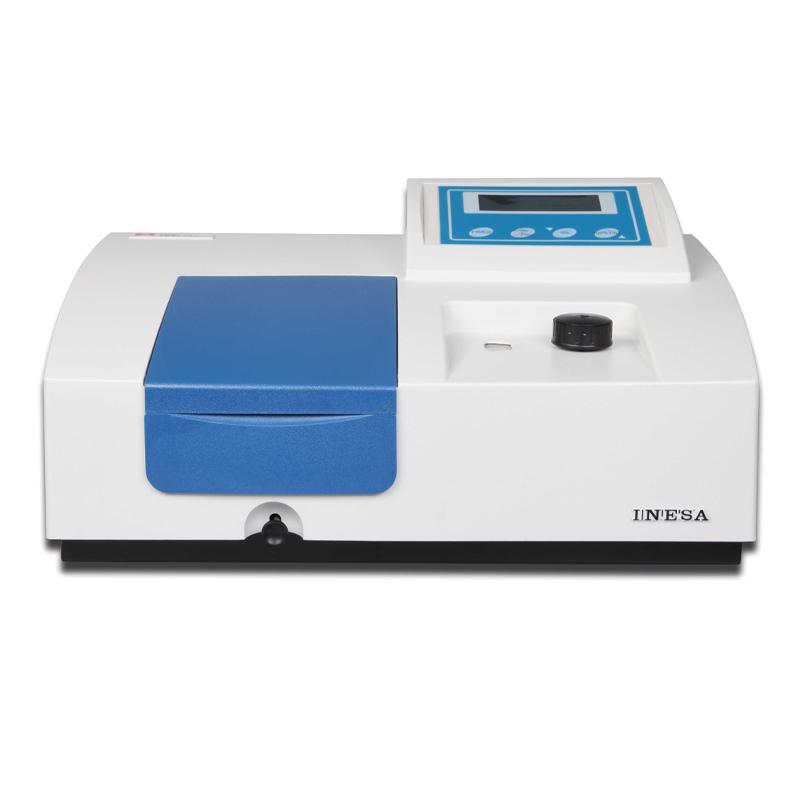
The difference between these Spectrophotometer s lies mainly in what they measure and the principles they use:
Visible Spectrophotometer: It is mainly used to measure the absorption and transmission of samples in the visible light region, usually in the range of 400 to 700 nanometers. Its principle is based on colorimetry, that is, after the sample is irradiated with visible light, the intensity of light absorbed or transmitted by the sample is measured and compared with the standard solution. Visible Spectrophotometer s can be used in chemical analysis, biochemistry and other fields.
UV-Vis Spectrophotometer: A UV-Vis Spectrophotometer is mainly used to measure the absorption and transmission of a sample in the ultraviolet and visible region, usually in the range of 190 to 900 nanometers. The principle is also based on colorimetry, but uses a wider wavelength range than visible Spectrophotometer s and is able to measure a wider variety of compounds. UV-Vis Spectrophotometer is widely used in medicine, biology, environment and other fields.
Infrared Spectrophotometer: An infrared Spectrophotometer is mainly used to measure the absorption and transmission of a sample in the infrared region, usually in the range of 4000 to 400 wavenumbers (25 to 25000 nanometers). The principle is based on the different absorption and transmission of infrared light of different wavenumbers by the sample, and the existence and structure of different functional groups in the sample can be determined. Infrared Spectrophotometer is widely used in chemical, material, food and other fields.
Fluorescence Spectrophotometer : Fluorescence Spectrophotometer is mainly used to measure the fluorescence emitted by the sample under excitation light, and is used to analyze the compounds present in the sample. The principle is that the sample generates fluorescence under the irradiation of excited light, and the fluorescence intensity is proportional to the concentration of the compound. Fluorescence Spectrophotometer s are widely used in biology, medicine, chemistry and other fields.
Atomic absorption Spectrophotometer : The atomic absorption Spectrophotometer is mainly used to measure the concentration of a specific metal element in a sample, usually requiring the sample to be converted into a gaseous state or dissolved in a liquid state. its principle
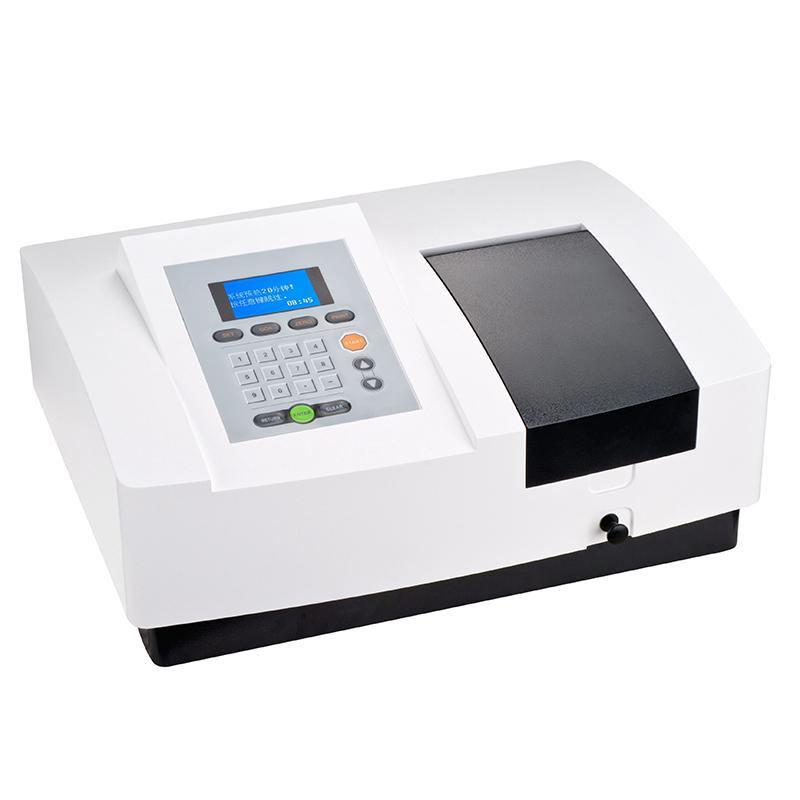
These Spectrophotometer s have different advantages and disadvantages when analyzing substances, and are suitable for different application scenarios. Visible Spectrophotometer s can measure the absorption of samples in the visible light range, and are often used to detect the content of organic compounds; UV-visible Spectrophotometer s can measure the absorption and emission of samples in the ultraviolet and visible light ranges, and are widely used in the analysis of biological macromolecules and organic compounds. , inorganic substances, pharmaceuticals, food and other samples; the fluorescence Spectrophotometer can measure the emission spectrum of the sample, usually used to detect drugs, organic molecules, etc.; the infrared Spectrophotometer is used to analyze the absorption and permeability of the sample in the infrared light band , usually used to analyze organic molecules; AAS is widely used to analyze metal elements, such as calcium, iron, copper, lead, etc.