I. Introduction
Food safety background and talcum powder application status
Food safety is a core issue of global public health concern, which is directly related to the life and health of consumers. In recent years, the abuse and adulteration of food additives are common, among which talcum powder is widely used in the food industry due to its specific physical and chemical properties, but improper use may bring potential harm. Talcum powder is mainly composed of magnesium oxide and silicon oxide, colorless and odorless, with a smooth texture, and is often used in food additives to improve texture, adsorb moisture, prevent caking, etc. However, the illegal addition and excessive use of talcum powder not only threatens food quality, but can also endanger consumer health.
Chemical properties of talcum powder and its application in the food industry
Talc is an inorganic compound, its main component is magnesium silicate, chemically stable, insoluble in water, dilute acid or dilute alkali solution. It has the following features:
Smoothness and softness:It makes it an excellent anti-caking agent and filler.
High adsorption:Able to absorb excess water and extend the shelf life of food.
Chemically inert:It is not easy to react with other ingredients to ensure the stability of food formulations.
Talcum powder is widely used in confectionery, flour, milk powder and other foods as an anti-caking agent, processing aid or texture improver. However, excessive use may exceed the body's metabolic load and pose a health risk.
Health hazards caused by abuse or exceedance of talcum powder
Although talcum powder is considered a food-grade additive, long-term or excessive intake may trigger the following health problems: cause inflammation such as mouth sores, bleeding gums, etc.; May increase the risk of gastrointestinal cancers; Children and the elderly are more sensitive to the trace heavy metals in talc, which can easily lead to cumulative toxicity. Therefore, it is an important measure to scientifically monitor the use of talcum powder in food and accurately detect its content.
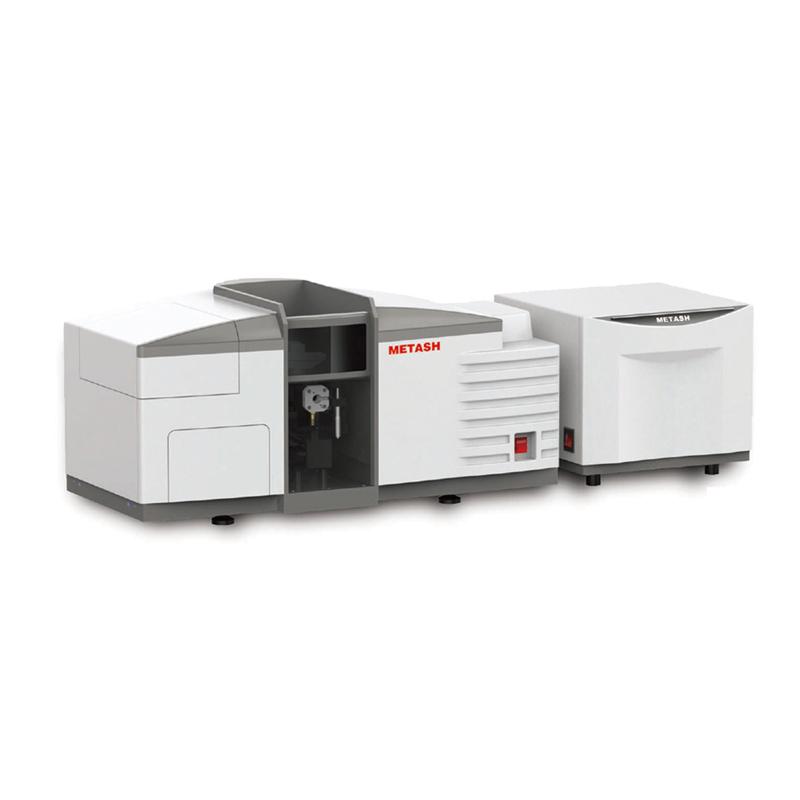
Traditional detection methods such as chemical analysis and EDTA titration have problems such as low sensitivity, poor accuracy and cumbersome operation in the detection of food talc, especially in complex sample matrices, which are difficult to meet the requirements of modern food safety monitoring. Emerging technologies such as flame atomic absorption spectrophotometry (FAAS) provide a scientific and reliable means for the accurate detection of talc content by virtue of high sensitivity, high accuracy and automation, significantly improve the detection efficiency and applicability, and provide important support for food safety assurance.
2. The basic principle of flame atomic absorption spectrophotometry
An overview of the detection principle
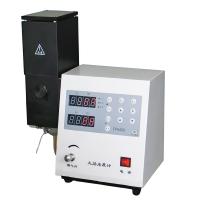
Flame atomic absorption spectrophotometry (FAAS) is a quantitative analysis technique based on atomic absorption spectroscopy, the basic principle of which is to atomize a sample into gaseous atoms through a flame, absorb light energy at a specific wavelength, and realize the quantitative analysis of components according to the linear relationship between absorbance and the concentration of the element to be measured. In the detection of food talc, FAAS mainly detects the magnesium content in the sample, and then calculates the concentration of talc. The advantage of this method is that it can quickly and accurately detect trace amounts of talcum powder in food with high sensitivity and selectivity.
To ensure the accuracy of the test results, the samples need to be rigorously pre-treated. Firstly, the sample was digested by mixed acids such as nitric acid and perchloric acid, and the talc in the sample was converted into a solution state, and the insoluble matter was filtered to be removed. Secondly, in order to separate the magnesium-containing substances in talc, the sample residue was completely digested by hydrofluoric acid, and diluted to a specific volume by adding strontium chloride solution, and finally a homogeneous liquid sample suitable for FAAS detection was obtained. This step ensures the sensitivity and reliability of the detection process, laying the foundation for subsequent accurate analysis.
3. Experimental part
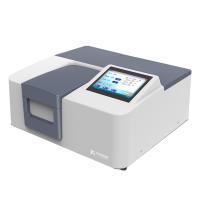
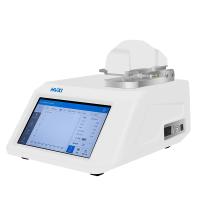
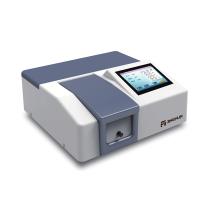
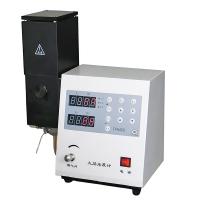
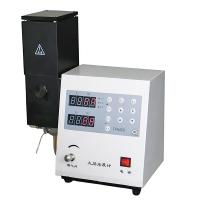
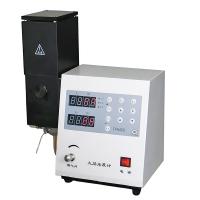
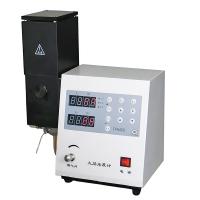
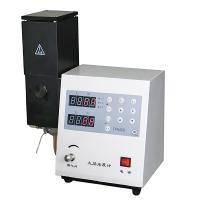
During the experiment, the choice of instrument and reagent is critical to the test results. Commonly used equipment includes flame atomic absorption Spectrophotometer s, PTFE plastic crucibles, and Hot Plates, while reagents need to be selected with high-purity acids such as nitric acid and perchloric acid, while ensuring that the water source is secondary distilled water. Pretreatment of the sample is a critical step in the experiment, as the sample is digested by mixing acids to remove impurities and insoluble substances and provide a homogeneous liquid sample for subsequent detection. The formulation of standard series solutions requires precise formulation of standards of different concentrations to ensure reliable quantitation. In addition, the optimization of instrument parameters, such as the selection of a wavelength of 202.5 nm, the setting of the slit width, and the adjustment of the operating current of the hollow cathode lamp, can significantly improve the sensitivity and accuracy of the detection.
The experimental data show that the optimized flame atomic absorption spectrophotometry has good detection ability. The regression equation of the standard curve showed a good linear relationship, and its correlation coefficient was close to 1, indicating that the quantitative analysis effect of the method was excellent. The low detection limit allowed for the accurate detection of trace talc, and the recovery results of the spike were within a reasonable range, which further verified the reliability of the method. The method exhibited good repeatability and consistency in different samples, and was suitable for a wide range of food testing.
By optimizing the experimental conditions, the sensitivity and accuracy of flame atomic absorption spectrophotometry have been significantly improved. In terms of wavelength selection, the wavelength of 202.5 nm has higher detection sensitivity, which is more suitable for the detection of magnesium content in talc than 285.2 nm. The reasonable setting of the slit width achieves a good balance between resolution and signal-to-noise ratio, while the moderate reduction of the operating current of the hollow cathode lamp ensures stable light intensity and prolongs the service life of the lamp. These optimization measures not only improve the efficiency of the experiment, but also provide an important reference for further standardizing the testing process.
Through the application and optimization analysis of flame atomic absorption spectrophotometry in the detection of food talcum powder, it can be seen that the method has significant advantages such as high sensitivity, high accuracy and simple operation. The optimization of wavelength, slit width and lamp current in the experiment not only improved the detection effect, but also provided a scientific basis for the promotion and standardization of the method. In the context of increasingly severe food safety problems, the application of this technology will help strengthen the monitoring and control of food additives, and provide strong technical support for protecting consumer health and maintaining market order.