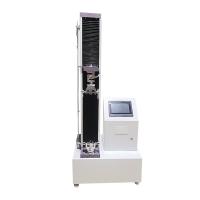
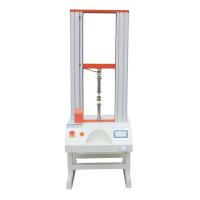
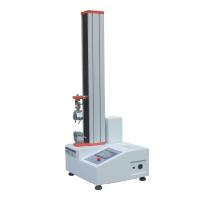
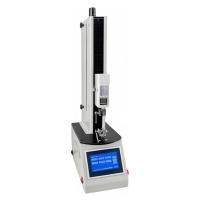
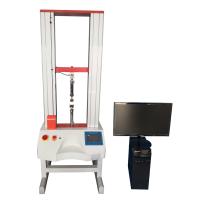
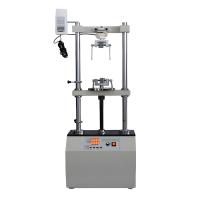
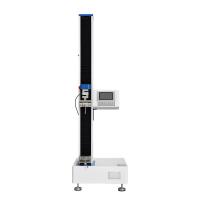
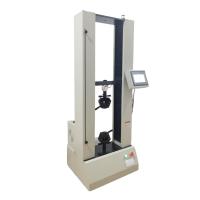
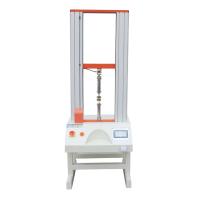
Tensile test is the basic means of mechanical property detection of materials, and the three core indexes of tensile strength, yield strength and elongation can be obtained through the response of the specimen under tensile load. The three together reflect the bearing capacity and plastic deformation characteristics of the material, which is an important basis for engineering material selection, quality judgment and research and development.
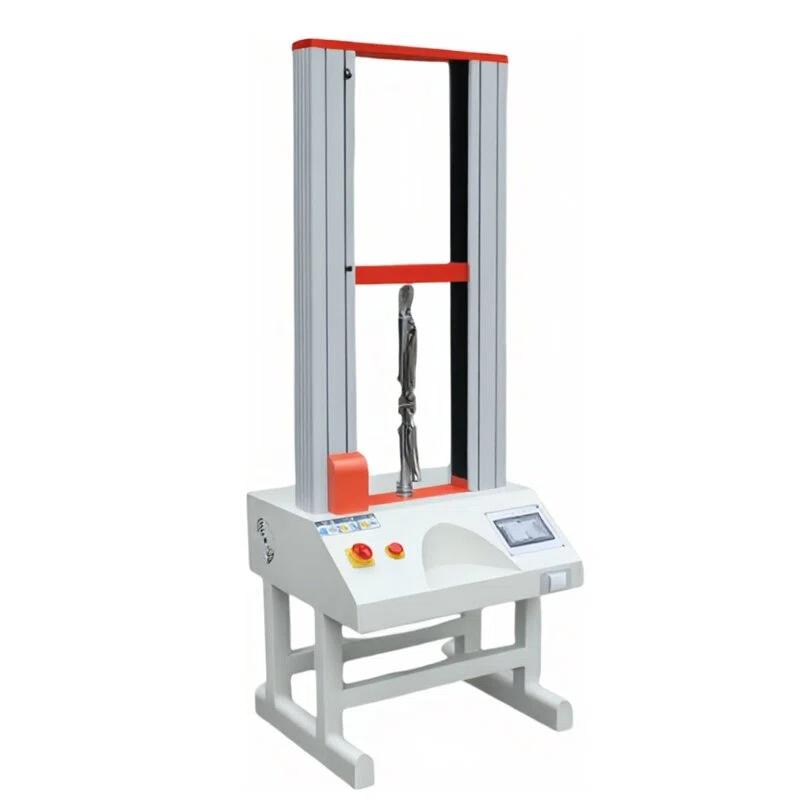
Tensile strength: The ultimate load-bearing capacity of a material
Tensile strength refers to the maximum tensile stress of the specimen before it breaks, and the formula is the ratio of the maximum tensile force to the original cross-sectional area of the specimen, in MPa. The determination is based on the peak point of the force-displacement curve and calculated according to the corresponding peak load, which only reflects the ultimate bearing capacity before the fracture and does not reflect the deformation stability, which is suitable for strength evaluation in static load scenarios. The tensile strength of different materials varies greatly, with mild steel being about 300-400MPa, high-strength alloy steel reaching more than 1000MPa, and non-metallic materials being relatively low.
Yield strength: critical node of plastic deformation
Yield strength is the boundary stress of the transition from elastic deformation to plastic deformation, which is the core index of structural part design, which can avoid the failure of materials due to plastic deformation. For materials with obvious yield stages, such as mild steel, the stress at the starting point of the yield platform of the force-displacement curve is used as the yield strength. For materials with no obvious yield platform, such as high-strength steel and aluminum alloy, the 0.2% non-proportional elongation method (Rp0.2) is used to calculate it. Structural parts such as building steel bars and automobile frames need to give priority to controlling this indicator.
Elongation: The plastic deformation potential of a material
The elongation is the percentage of the elongation of the gauge segment and the original gauge after the specimen is broken, and the higher the value, the better the plasticity of the material, and the stronger the impact and deformation resistance. The elongation of the common standard distance (such as A50, that is, the original standard distance is 50mm) and the elongation of the proportional standard distance should be accurately measured when determining the post-break distance to eliminate abnormal situations such as the fracture position deviating from the center of the standard distance. The elongation of plastic materials such as copper and aluminum is more than 20%, and brittle materials such as cast iron and ceramics are usually less than 5%, and there is no obvious plastic deformation at breakage.
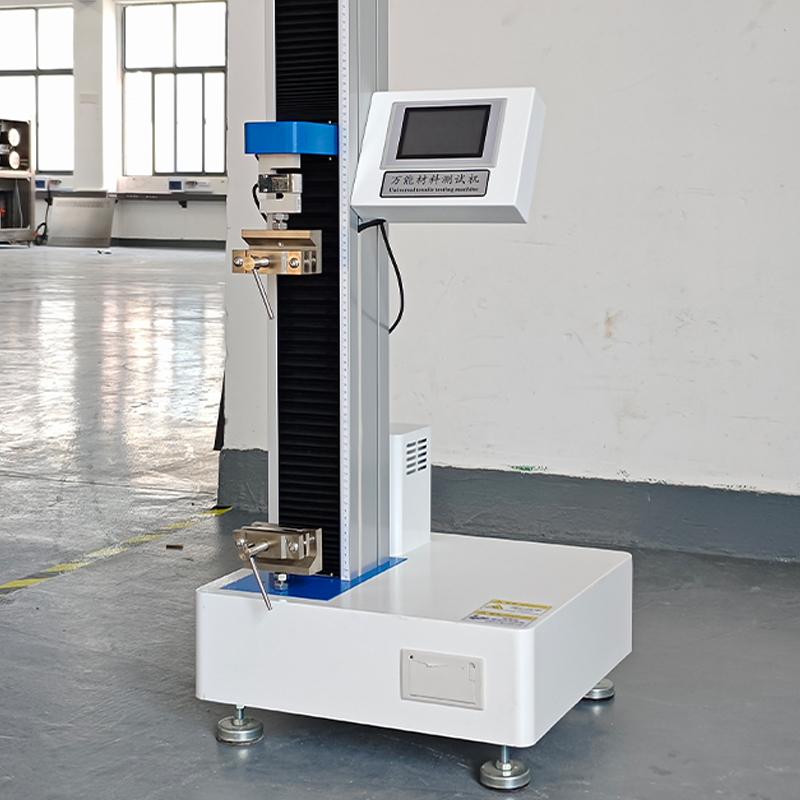
Index synergy and experimental conditions
The three major indicators need to be combined with analysis to comprehensively evaluate the material properties: brittle materials with high tensile strength but low elongation are suitable for static load scenarios without deformation requirements; Materials with large difference between yield and tensile strength and high elongation have excellent plasticity and are suitable for stamping and bending processing. At the same time, the test conditions have a significant impact on the index, high temperature will reduce the yield and tensile strength, increase the elongation, and the loading too fast will underestimate the plastic index, which needs to follow the GB/T 228.1 standard specification process.
summary
Tensile strength, yield strength and elongation are completely outlined from the three dimensions of bearing limit, deformation critical and plastic potential. At the same time, the standardization of equipment calibration, sample preparation and measurement operation should be strictly controlled to ensure the reliability of testing data and provide scientific support for engineering applications and product research and development.