ISO 527 and ASTM D638 are two of the most widely used tensile testing standards in the world for plastics performance testing. While their objectives are the same – to accurately measure tensile strength, modulus, and elongation at break, there are a number of key differences at the specific execution level.
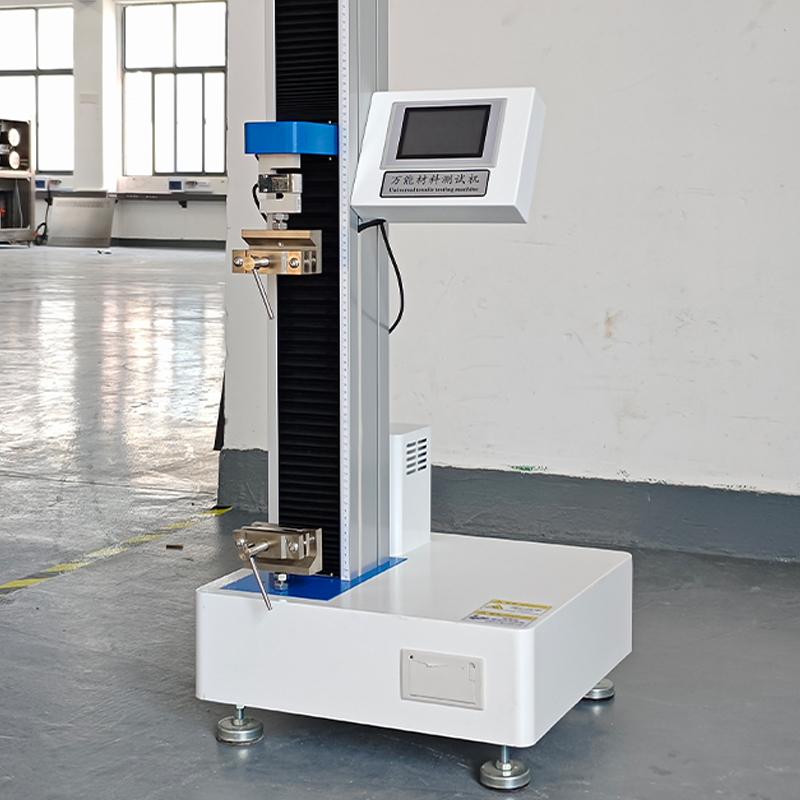
1. Main technical differences
Specimen selection
ISO 527 mainly specifies type 1A specimens, which are relatively uniform in shape and size
ASTM D638 offers a wide range of specimens from I to V, allowing for greater flexibility in selection to suit different materials and product forms.
Test speed
ISO 527 is strictly classified according to the purpose of the test: modulus measurements are usually at a slow speed of 1 mm/min, while yield and fracture tests can be used at higher speeds.
ASTM D638 has a wider speed range, typically from 1 to 500 mm/min, depending on the material type.
Key parameter calculation
ISO 527 explicitly specifies the use of a strain interval of 0.05% to 0.25%, while ASTM D638 typically uses a range of 0.1% to 0.3%.
For yield behavior, the ISO standard prioritizes reporting yield stress strain, while the ASTM standard emphasizes both yield and fracture data.
Measurement accuracy requirements
ISO 527 strictly requires the use of extensometers to directly measure in-gauge strain.
ASTM D638 recommends extensometers, but in some cases allows for crosshead displacement estimation, which can affect the accuracy of high elongation materials.
2. Standard selection guidelines
Geographic markets are a primary consideration – ISO 527 is often used for European and international projects, and ASTM D638 is preferred for North American supply chains.
Material properties determine suitability – ISO 527 often provides more reliable data for materials with significant anisotropy or high elongation due to strict strain measurement requirements. Conventional materials can be both.
Test Purpose Influences Selection – The R&D phase is suitable for the detailed classification of ISO 527, and the flexibility of ASTM D638 in quality control may be more advantageous.
3. Key points of test implementation
Regardless of the standard, it is necessary to ensure that the specimen is conditioned in a standard environment (23°C, 50% relative humidity) for a sufficient amount of time (usually more than 40 hours). The number of tests should be at least 5 valid specimens, the average value should be taken and the standard deviation should be calculated. The equipment must be calibrated regularly, and the fixture should prevent the specimen from slipping. The report should fully indicate the version of the standard used, the type of specimen, the speed of the test, and any deviations from the standard.
4. Important reminders
The results of the two standards should not be directly compared. If data control is necessary, it is recommended to conduct parallel trials to establish correlation. Long-term projects should maintain standard consistency, and switching standards midway can lead to data disconnections.
When selecting criteria, consider customer requirements and market practices, as well as the laboratory's own equipment and experience. An accurate understanding of standard differences ensures the reliability and global recognition of test data.
summary
ISO 527 and ASTM D638 are the two core international standards for testing the tensile properties of plastics. The core purpose of the two is the same, but the technical details are different: ISO standards pay more attention to global unified accuracy and comparability, and the regulations are strict; ASTM standards are more flexible and practical-oriented. The selection depends primarily on target market regulations, material properties, and testing purposes. The key is to maintain the consistency of standards in the data comparison system, the essence of which is to understand the differences to apply them correctly, rather than simply judging the merits and demerits.