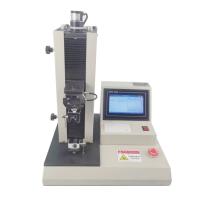
Tensile shear strength is the core index for evaluating the adhesive properties, which directly determines the bearing capacity, stability and durability of the bonded structure, and is widely used in product research and development, quality control and engineering acceptance in construction, automobiles, electronics, aerospace and other fields. In order to ensure the accuracy, comparability and reliability of the test results, it is necessary to strictly follow the standardized test process, and this paper combines the domestic mainstream standard GB/T 7124-2008 and related specifications to analyze in detail the standard test methods, operation points and influencing factors of the tensile shear strength of adhesives.
The test principle of tensile shear strength of adhesives is based on the calculation of mechanical shear stress of the material, and the core is to apply a uniform tensile load parallel to the bonding surface of the standard prepared bonding specimen until the specimen has shear failure, and the tensile shear strength value is calculated by recording the maximum load at the time of failure, combined with the bonding area, that is, the shear strength (MPa) = failure load (N) / bonding area (mm²). The core purpose of the test is to simulate the shear stress state of the adhesive in actual service, accurately reflecting its ability to resist shear damage.
The most commonly used standard in China is GB/T 7124-2008 "Determination of Tensile Sheep Strength of Adhesives (Rigid Materials vs. Rigid Materials)", which is equivalent to the international standard ISO 4587:2003, which is applicable to the tensile shear strength test of adhesives between rigid materials such as metals and rigid plastics, and clarifies that the test results are only used for quality comparison and performance evaluation, and cannot be directly used as the basis for engineering design. In addition, for wood adhesives, there is another special standard for GB/T 33333-2016, for the traditional metal-to-metal test, the old standard GB/T 7124-1986 has been replaced, and the corresponding standard needs to be selected according to the type of bonding substrate in the actual test.
The standard test process is mainly divided into four key links: sample preparation, state adjustment, test operation, and result calculation. Sample preparation is the basis of test accuracy, the dimensional accuracy needs to be strictly controlled, the length of the bonding surface needs to be controlled at 12.5mm±0.25mm, and the typical value of adhesive thickness is 0.2mm, which can be accurately controlled by inserting spacer wires or glass balls. The number of specimens is not less than 5, and the surface of the substrate needs to be polished, degreased and other pretreatments to ensure that the adhesive is fully infiltrated.
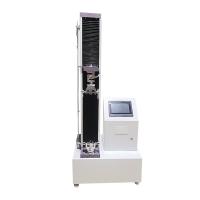
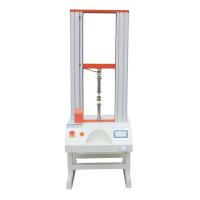
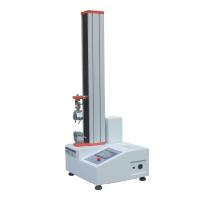
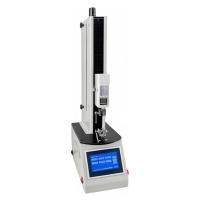
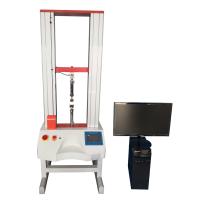
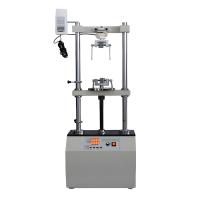
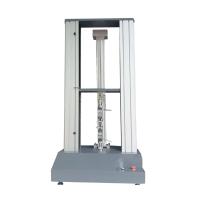
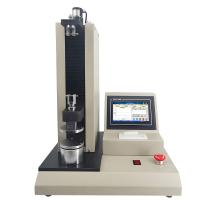
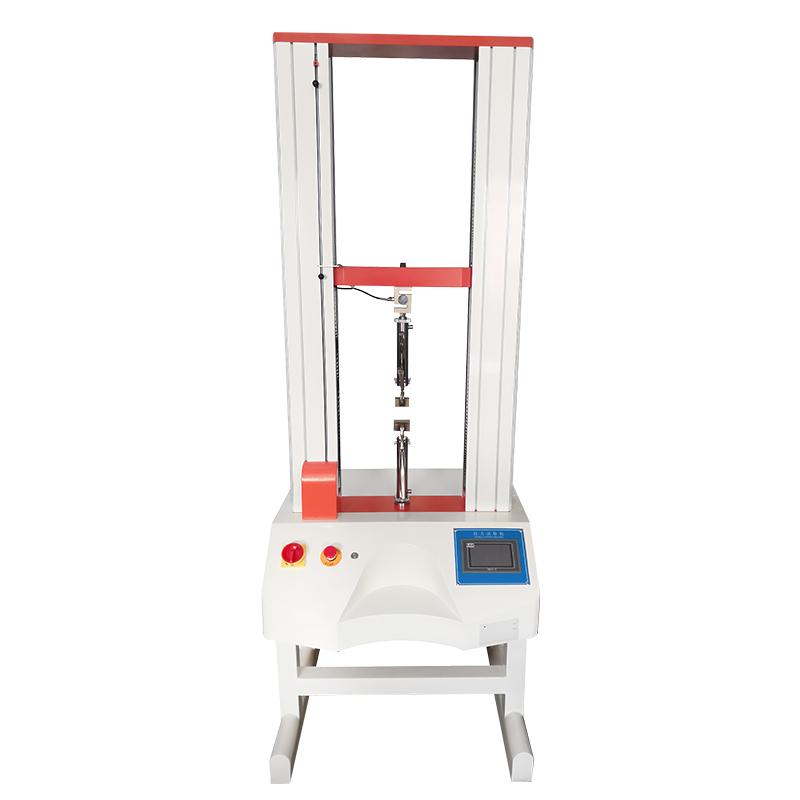
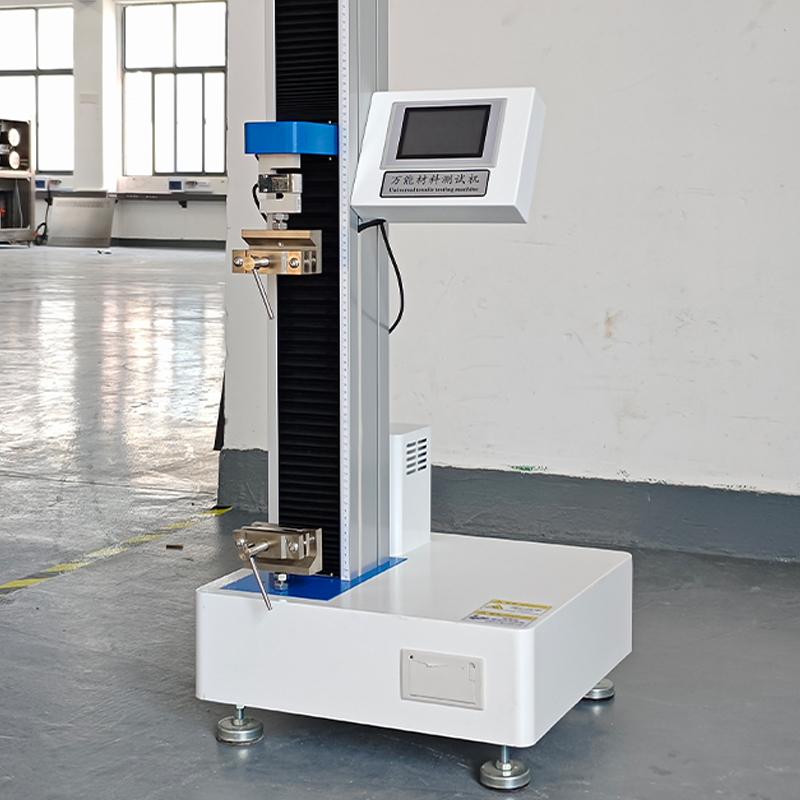
Test equipment and operating specifications directly affect the reliability of test results. The test should use an electronic universal testing machine with an error of no more than 1% of the force value, equipped with a special fixture to ensure that the long axis of the specimen is consistent with the direction of force application, and avoid local stress concentration. The test environment should comply with the provisions of GB/T 2918, usually 23±2°C and relative humidity 50±5%, and the specimen should be adjusted to a stable state before testing. When the load is applied, the tensile speed is controlled at 1mm/min~3mm/min, so that the failure time of the specimen is between 65s ± 20s, and the maximum failure load and failure type are recorded simultaneously.
It is necessary to focus on the influencing factors in the testing process to avoid bias in the results. The thickness of the adhesive layer is inversely related to the tensile shear strength, and it is easy to generate internal stress if it is too thick, and it may lead to insufficient bonding. The curing temperature needs to match the characteristics of the adhesive, too high is easy to cause thermal decomposition of the resin, and too low will insufficient curing, which will reduce the shear strength. Substrate pretreatment quality, drying time, load application uniformity, etc. can also significantly affect the test results. When calculating the results, the average value of the five samples should be taken, and the standard deviation should be calculated, and the type of failure should be clearly marked to ensure that the data has reference value.
In summary, the standardized testing of tensile shear strength of adhesives is a systematic work, which needs to strictly follow the corresponding national standards, from sample preparation, equipment selection, environmental control to operation process and result calculation, every link needs to be strictly controlled. Only by standardizing the testing process can we accurately reflect the adhesive performance of adhesives, provide a reliable technical basis for product development, quality control and engineering applications, and promote the standardized development of the adhesive industry.