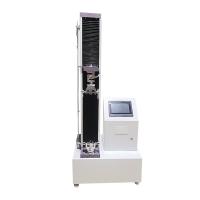
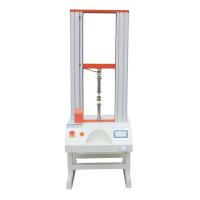
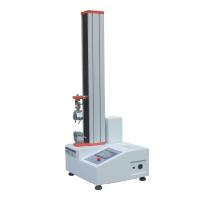
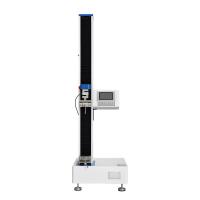
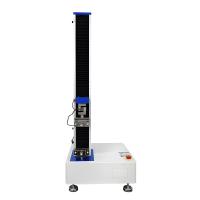
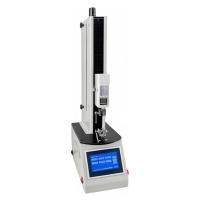
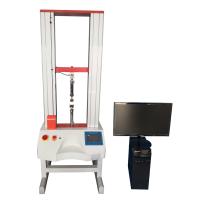
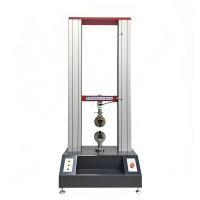
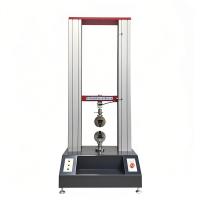
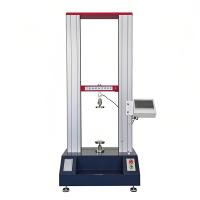
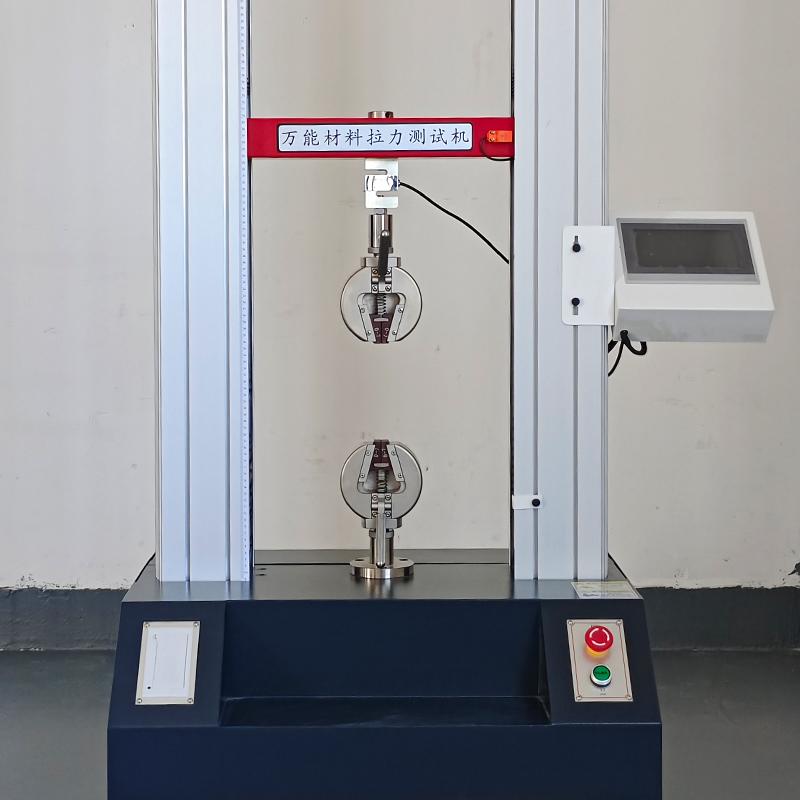
The load sensor of the tensile testing machine (referred to as the tensile machine) is the core component of force value measurement, and its accuracy directly determines the reliability of the mechanical property test data. On-site verification is the key to ensure its stable work, and the standard weight method has become a reliable choice for industrial sites due to its convenient operation and strong traceability. This paper combines the practical specifications, expounds the core content of the method in points, and provides practical guidance for relevant staff.
Core purpose and scope of application
Core purpose: to apply a known force value through the standard weight that has been verified, compare the deviation between the sensor output signal and the standard value, judge whether the sensor is qualified, and troubleshoot abnormal accuracy, signal drift and other problems without disassembly, and avoid the distortion of test data.
Scope of application: It is suitable for all kinds of strain gauge load sensors, covering most industrial tensile machines, and the operation must follow the principle of "sufficient preparation, standardized operation, accurate data, and rigorous judgment".
Pre-validation preparation (3 core dimensions)
Equipment preparation - first turn off the power supply, check whether the fuselage is fixed, the sensor is installed firmly, the connection line is not damaged, and the joint is not oxidized; Start the equipment to warm up for 10-15 minutes to ensure that the control system and sensors are in a stable state.
Instrument preparation - select standard weights with accuracy not lower than sensors (F1 level and above are recommended), and select 3-5 verification points to cover the common range; Prepare matching hooks, rings and cleaning tools to clean the surface stains of the weights to avoid affecting the weight accuracy.
Environmental preparation - the site should be kept clean and dry, the temperature should be controlled at 20±2°C, and the relative humidity should be 45%-65%, and the distance from high-power equipment should be avoided to avoid electromagnetic interference and prevent environmental factors from affecting the verification results.
On-site verification practical steps (5-step standardized implementation)
1. Zero point calibration: Adjust the tension machine to a no-load state, enter the control system to perform zero point clearing, and repeat 2-3 times until the force value stabilizes within ±0.1%FS to avoid the zero point offset error.
2. Connect the weight to the sensor: Securely install the hook on the sensor stress shaft to ensure concentricity and no eccentricity, and deduct the hook weight in advance (if negligible, indicate it) to avoid additional deviations.
3. Gradual application of weights and records: Start graded application from the minimum range of weights, and after the force value stabilizes after each stage is stationary for 3-5 minutes, record the standard value and display value, and repeat the measurement 3 times at each verification point.
4. Hierarchical unloading and review: unload the weights in the order from largest to smallest, and observe whether the force value returns to close to zero; After the uninstallation is completed, it will be re-cleared, and the zero point offset exceeds the standard, and it needs to be re-verified.
5. Data calculation and judgment: Calculate the average measurement value of each verification point, and calculate the relative error through the formula, and the error is within the rated accuracy of the sensor, and the repeated measurement extreme ≤ 0.2%FS is qualified.
Verify key considerations
Handle the weights gently to avoid damage or zero point offset caused by hitting the sensor;
When the weight is applied, it is forbidden to adjust the sensor and connection line to prevent uneven force;
If the force value fluctuates or the display is abnormal, immediately stop the machine for troubleshooting, and re-verify after eliminating the problem;
After the verification is completed, clean the appliances, restore the equipment, and record the verification information in detail for easy traceability.
Verify the requirements regularly
Routine verification is done every 6 months, and shortened to 3 months for high-frequency use and harsh environments; If the verification fails, the sensor must be calibrated or replaced in time, and re-verification is required after replacement.
summary
The standard weight method to implement the on-site verification of the load sensor of the tensile machine lies in sufficient preparation, standardized steps, and detailed control in place. Through scientific on-site verification, it can timely investigate abnormal sensor accuracy, ensure the accuracy and reliability of the test data of the tensile machine, extend the service life of the equipment, lay a solid foundation for the mechanical property testing of materials, and avoid quality and R&D risks caused by sensor failures.