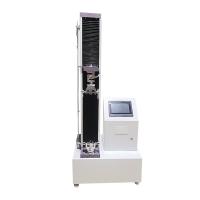
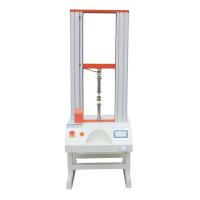
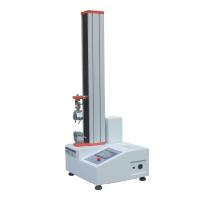
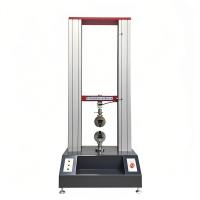
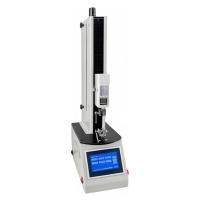
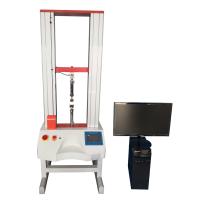
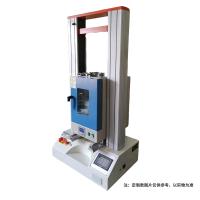
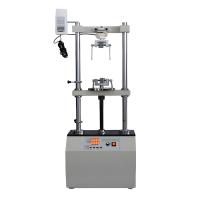
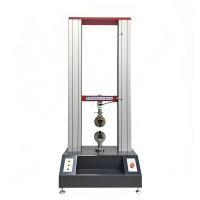
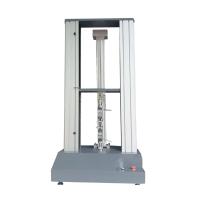
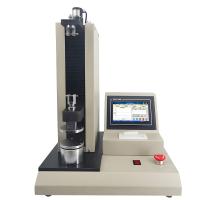
With the advantage of synchronous loading of multiple sets of specimens, the multi-channel tensile testing machine greatly improves the efficiency of material tensile and peeling mechanical properties detection, and is widely used in plastics, rubber, metals, textiles and other fields. When testing multiple samples at the same time, the consistency, synchronization and safety of the operation directly determine the reliability of the test data. Combined with the operation logic of the equipment and the practical experience of the laboratory, this paper sorts out the key skills and core precautions of multi-channel parallel testing, and provides a practical reference for standardizing the operation and ensuring the accuracy of the results.
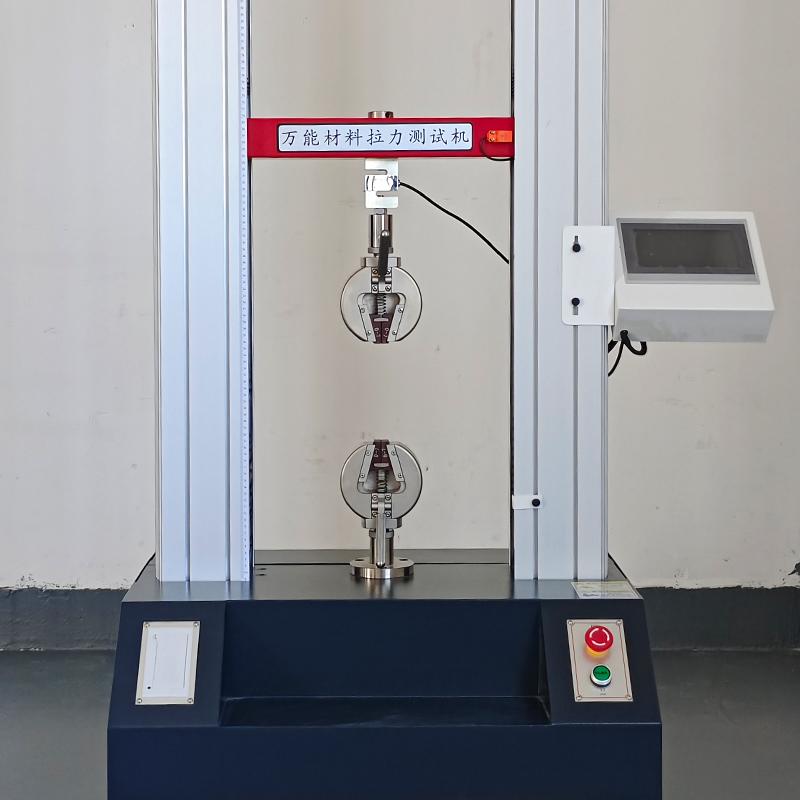
Preparation before the test
Specimen unification
The same batch of test samples should ensure that the material, size, processing technology, and storage environment are completely consistent, and the size measurement is accurate to 0.01mm, and each group of parallel samples is not less than 3, and the specimens are numbered to prevent mixed testing of samples of different specifications and different states.
Equipment calibration
Warm up the machine for 5-10 minutes to check whether the emergency stop, limit, and transmission system are normal; Synchronous zero point calibration of the force value and displacement of each channel to ensure that the force deviation between channels is ≤±1%, and the displacement synchronization error is ≤ 0.1mm.
Standardized clamping
According to the hardness of the material, the adaptive fixture is selected, such as serrated fixture for metal and rubber-clad clamp for soft materials; During clamping, ensure that the specimen is vertically centered, the force axis coincides with the center line of the fixture, and the clamping force should not slip or pinch the specimen, and the clamping position and preload force of all channels should be consistent.
Parameter synchronization settings
The core requirement of multi-channel parallel testing is the unification of parameters for all channels, and it is prohibited to set a single channel independently to avoid differentiated interference. The loading mode should be unified as displacement control or force control, and the tensile speed, sampling frequency, and shutdown conditions (fracture determination, load drop threshold, maximum stroke) should be completely consistent. The tensile speed needs to be set according to the material standard, usually 1-5mm/min for metal, 50-500mm/min for plastic and rubber, and the interface should be locked after parameter confirmation to prevent misoperation and modification during the test.
Monitoring during testing
During the testing process, it is necessary to monitor the operation of the equipment and the status of the specimen in real time, taking into account synchronization and safety. After starting all channels uniformly, observe the force-displacement curve and specimen deformation in real time, and press emergency stop immediately if there is channel desynchronization, fixture slippage, specimen offset or abnormal noise. Brittle materials are prone to splashing, and the protective door needs to be closed, and personnel should stay away from the test area.
When encountering abnormalities, it should be dealt with according to the principle: when a single channel specimen breaks in advance, keep the other channels running normally until the end without interrupting the overall test; If the fixture is loose and the specimen slips, the machine will be stopped immediately, and the re-clamping will be re-tested, and the invalid data of the channel will not be included in the statistics. At the same time, the test environment is stable, the temperature is controlled at 23±2°C, the humidity is 50±10%, away from vibration and electromagnetic interference, and the temperature-sensitive material needs to be placed at a constant temperature for more than 2 hours in advance.
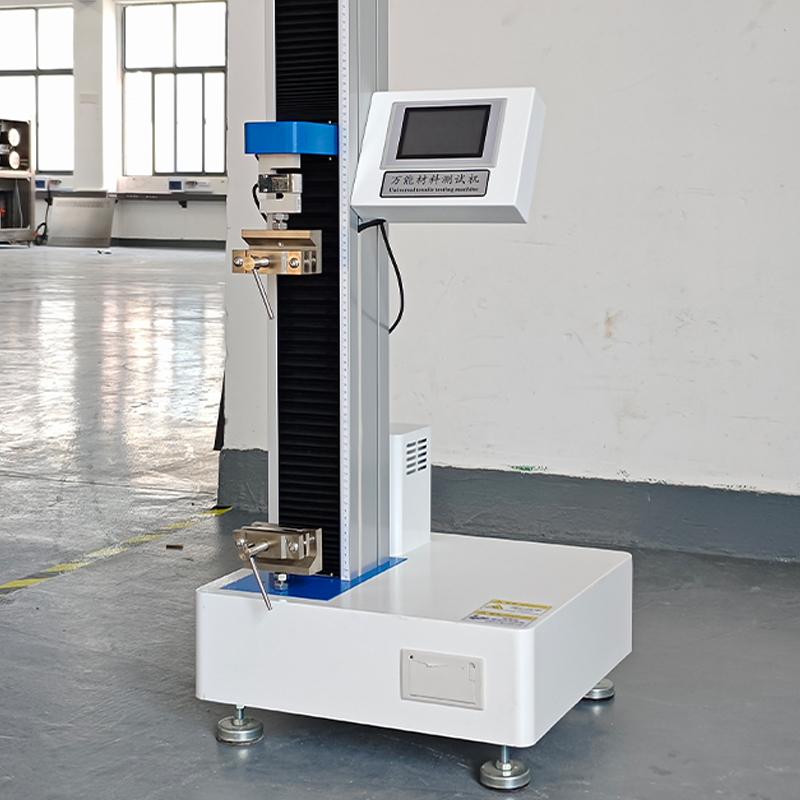
Post-test processing
After the test, it is necessary to standardize the processing of data and do a good job of equipment maintenance. The original data is exported according to the channel, and the invalid data of clamping errors, clamping breaks, and abnormal fluctuations are eliminated, and the average and standard deviation of the valid data are taken in the same batch to calculate the coefficient of variation to ensure that the repeatability meets the standard requirements.
In terms of equipment maintenance, it is necessary to reset the beam and fixture, clean the specimen debris, and do anti-rust lubrication on the jaws and screws; Fill in the equipment operation record, mark the test materials, channel status, and abnormal conditions, establish a complete use ledger, and extend the service life of the equipment.
summary
The key to efficient testing of multi-channel tensile testing machines is "consistent specimens, uniform clamping, synchronized parameters, and monitored in place". Strictly following the above precautions can not only give full play to the efficient advantages of the equipment, but also ensure the accuracy of the detection data and operational safety. Operators need to be familiar with material standards and equipment performance, and adhere to the principle of "calibration first, then test, standardization first and then efficiency" to provide reliable support for material research and development and quality control.