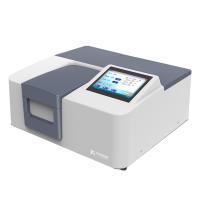
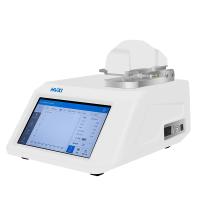
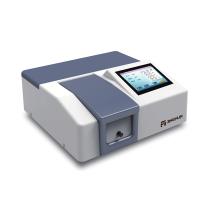
Plastic...everywhere. Clear, colored wrapping paper can be found on almost any manufactured product you can think of: food, toys, sporting goods, electronics. All of these common items can be painted with clear materials, but is it really possible to measure the color of a clear?
In fact, clarity is an important characteristic of plastics and can be measured by analyzing the haze in the sample material. The appearance of clear plastics determines visibility by the cloudiness or cloudiness of the material. Haze is the only true measure of clear color that can be quantified and monitored using spherical spectrophotometric techniques.
Measuring Haze with a Spectrophotometer
When we talk about the measurement of haze, we are specifically referring to the measurement of the visual clarity of a product. Whether the desired product result is a clear transparent colored plastic finish or translucent, the quantitative capabilities of haze measurement can achieve the desired result.
When plastic materials first entered the manufacturing arena, the sole method of determining clarity or haze measurements was to hold the material under a light source and visually judge its haze. This approach is very subjective and it is nearly impossible to achieve product consistency. This method is inefficient and costly since analysis of the final product is a separately available option. By the time a time change is detected, the entire line needs to be recalibrated and production restarted.
When spectrophotometry entered the plastics industry, it was specifically designed to measure color changes. This process is very beneficial for maintaining a specific color match, but does not necessarily account for the reflectivity or haze of the product. As a method of measuring transparent color, this early method didn't help much. With the invention of spherical technology, Spectrophotometer s were able to go beyond the fundamental viewing parameters of the visible spectrum, allowing this new technology to accurately measure clear colors and quantify color measurements for more consistent results.
With new spherical technology, we can now accurately measure clear plastics and determine the haze and clarity of post-manufacturing plastics. This approach ensures product consistency and expected results. Monitoring the final product only means that defective products do not reach consumers, but changes still need to be made throughout the production line to correct errors, which can be costly and time consuming. However, by using an in-line Spectrophotometer , real-time analysis of product color can be done at any stage of production. This real-time data can identify problems before they arise and allow for quick adjustments directly on the production line.