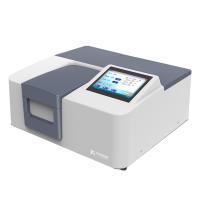
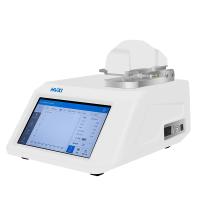
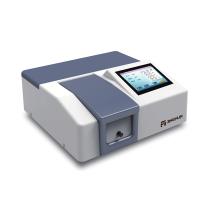
Color can be complex and challenging to effectively inspect with the human eye. With the help of special measuring tools such as a Spectrophotometer , the roaster can meet the coffee industry color standards.
Color Standards in Coffee Evaluation
Coffee beans start out green, and roasting darkens the beans and changes the flavor. This roasting process is why there are light, medium and dark roasts. The color of coffee beans is an important indicator of roast and coffee flavor.
When determining the correct color for your coffee beans, you need to consider how we perceive color. Color comes from the amount of light absorbed or reflected by a substance, often referred to as an optical property. The color of the light and where a person stands affects their perception of color. The human eye can perceive a range of wavelengths to register color, but cannot see all of them, which can affect color quality.
A color is made up of three properties - hue, saturation and lightness. To accurately measure these quantities, coffee roasters can use color measuring instruments. These tools, such as Spectrophotometer s, remove the human subjectivity of color and make coffee roasts more distinct.
Applying color analysis to coffee
Color analysis of coffee beans is made simple with a color measuring instrument. Bean analysis over time allows us to create desirable measurements for various roasts. We know what the Hue, Saturation and Lightness should be for light, medium and dark bakes and they act as controls for the measurement.
The roaster will measure a batch of coffee beans and compare the color to these controls based on the roast they are trying to achieve. If the beans are too dark or too light, they will reduce or increase the roast time. Even roasting too quickly can affect the quality of the coffee beans and change their judgment from mild to medium.
A spectrometer can give you a baseline of your roasting practices, so the beans will always provide the proper level of darkness or lightness for the roast.
Proper Brewing Practices
Achieving color standards for coffee quality can help roasters achieve the correct level of roast, while brewing operations can also affect taste. There are plenty of coffee brewing equipment out there, from standard coffee makers to French press and pour implements. These methods all have slightly different methods to achieve proper brewing results.
There are three factors you should consider during roasting - grain size, water to coffee ratio, and water purity. While standard coffee makers require less water and can use coffee of various grain sizes, pour-over and French presses require medium-to-large grains with varying water-to-coffee ratios.