The appearance, smell, taste and texture of fruits and vegetables are parameters used by consumers to judge whether the product is of higher or lower quality.
The fruit and vegetable sector controls the organoleptic characteristics of food products, for which it quantifies and establishes suitable value standards for each parameter.
Thus, for example, the amount of sugar contained in fruits and vegetables can be detected by measuring the Brix level with a refractometer. The color of fruits and vegetables is another element that provides data on issues such as ripeness, quality or flavor characteristics.
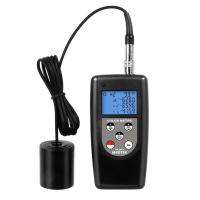
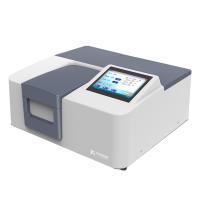
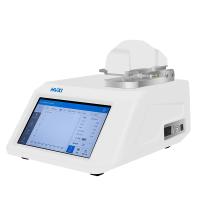
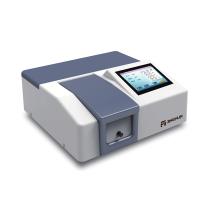
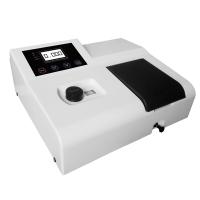
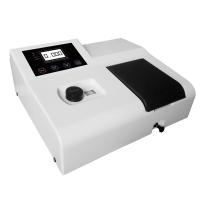
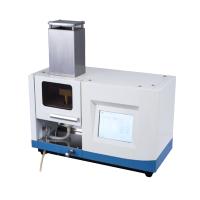
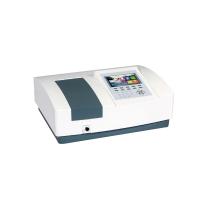
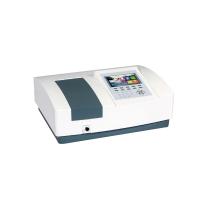
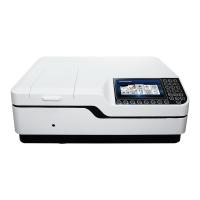
The food industry uses Colorimeters and Spectrophotometer s for color measurement.

Sugar Measurement - Brix
The food industry usually uses Brix to measure the amount of sugar contained in fruits and vegetables, so from these measurements it is possible to determine the optimal harvest time, taking into account the degree of ripeness.
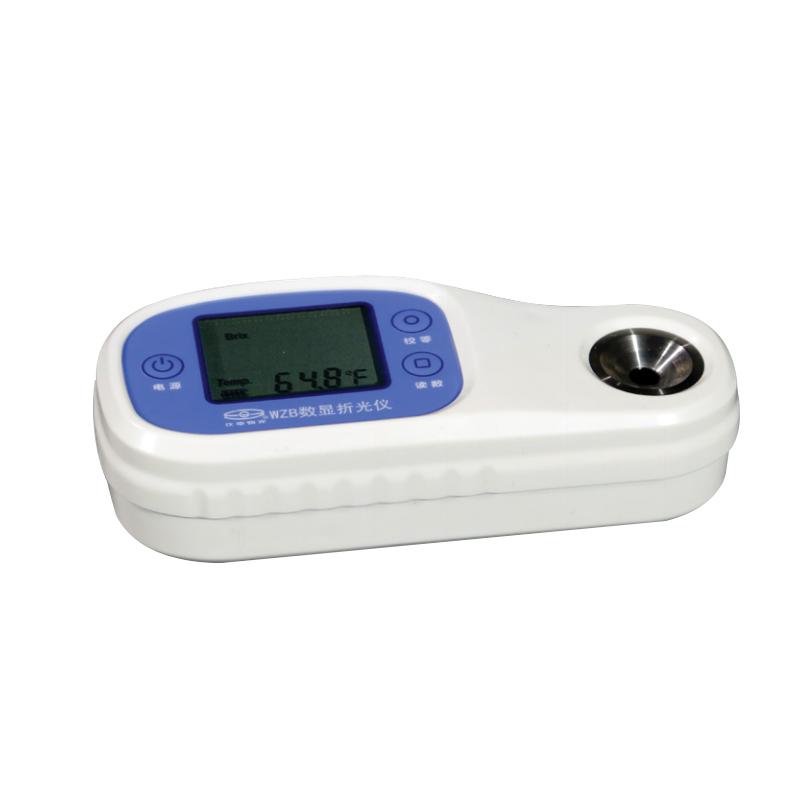
A refractometer is the instrument used in this case. The device quantifies refraction, the change in direction that occurs when light or other radiation passes obliquely from one medium to another of a different density.
color measurement
Color can be measured by instrumental analysis. It is usually defined by a three-dimensional system, represented on a plane by a colormap.
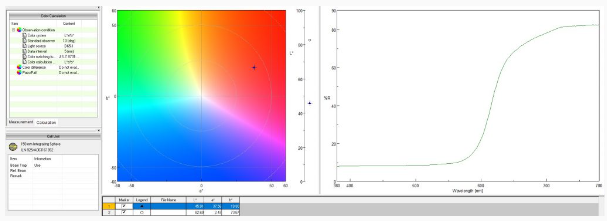
The color coordinate system CIELab* is defined by three colorimetric coordinates (L*, a* and b*). The L* coordinate indicates a value related to clarity or lightness (from 0 to 100, where 0 is black and 100 is white); the a* coordinate shows the value of the reference red-green component, with positive values for red and negative values for green. B* coordinates represent values referencing the yellow-blue component, so blue represents negative values and yellow represents positive values.
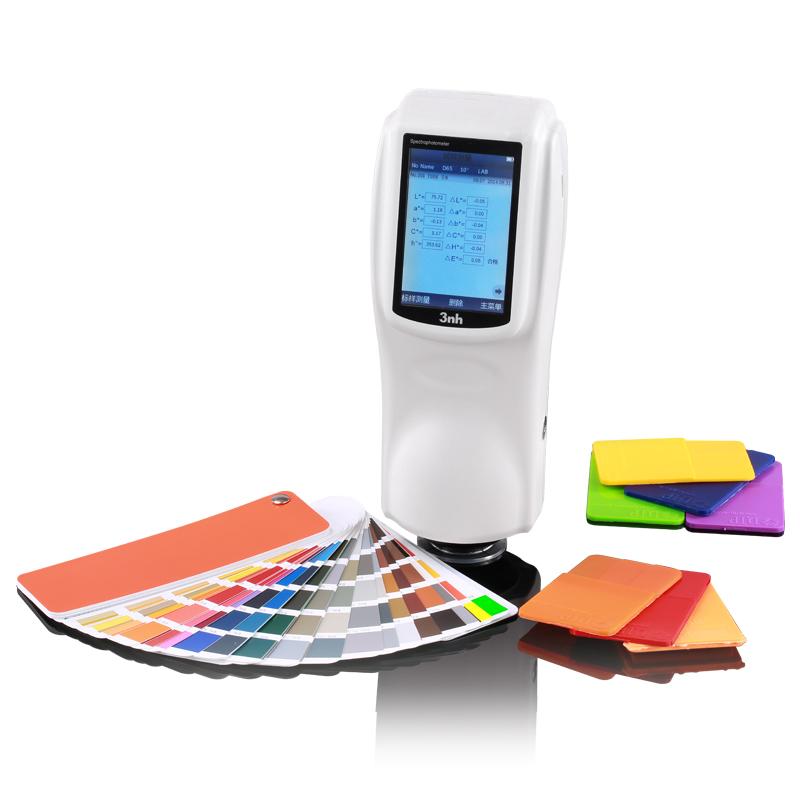
Color measurements are made using a Colorimeter. Teknova.
As such, ΔΕ is used to determine color difference, the smallest difference between two colors. To produce values in this sense, it is necessary to measure distances between points in three-dimensional space, especially in the color space CIELab*.