Every industry takes great care when it comes to manufacturing children's products, be it toys, clothing, food, tableware or anything else. The apparel industry is one industry that involves extensive risk assessment management and frameworks. Researching and understanding the behavior of children of a specific age group is essential . The one characteristic that every child has in common is unconscious behavior. They are very disinterested or annoyed by the consequences or hazards associated with the product.
Take a very common example of a button. They can easily come off clothing and can be a choking hazard if not properly tested. So, as a precaution, test according to the type of button. For example, for claw ring buttons, use a computerized snap pull-out Tester. Likewise, different testing regimes are used for different components of the garment.
Why is testing so important for children's products?
As a buyer/user, I am unaware of the potential risks involved with items I use for my children, especially for the first time. It may be later or after repeated use that I know that something has certain hazards and I should pay attention. Therefore, the responsibility for safety lies with the manufacturer or supplier. These products should be designed with children's standards and age groups in mind. And has been tested by extensive test programs. For example, a manufacturer cannot recommend a trampoline for a 2-year-old without safety gear and accessories.
Manufacturers need to take a proactive approach when dealing with children's clothing and accessories. The assessment of security requirements should be included in the design and development cycle. A predictable approach will help designers take appropriate action when corner cases arise.
Calculation of the risks involved and techniques for treatment
To design designs for safe use, developers and designers need to implement a series of security gateways at each stage of the development lifecycle. Potential hazards need to be identified and dealt with at an early stage before starting series production . Here, a small subset of tests and their benefits are summarized:
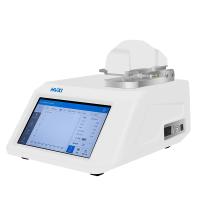
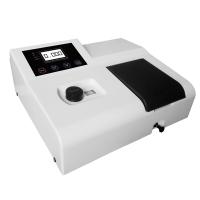
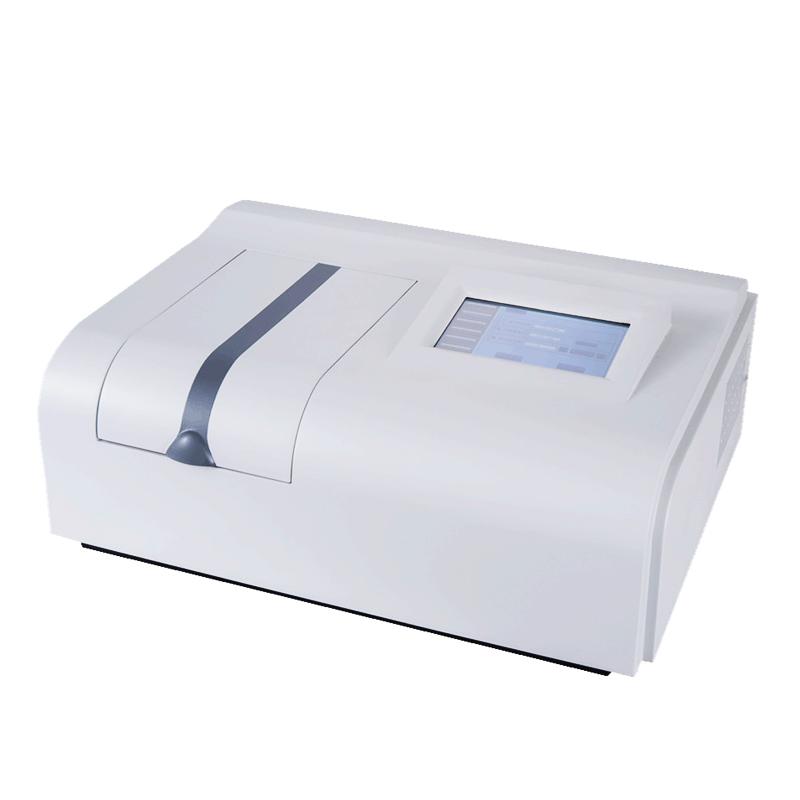
Color Fastening Test – Colors are light and fast on baby clothing. As they grow, color options increase, and so do the risks associated with the chemicals used to dye them . Unqualified colors tend to bleed when in contact with sweat and other liquids. These chemical dyes may pose a skin hazard to infants. Spectrophotometers and color matching equipment are used to observe the effect of repeated washing on the color of garments. If there is considerable variation from wash to wash, it means that the fabric can easily lose color if a child puts the cloth in his mouth or when he perspires. To this end, the quality manager takes appropriate control measures incorporating good dyeing processes.
Button Test – A garment is usually incomplete without buttons. Users can't even imagine how dangerous these buttons can be if swallowed. To avoid any potential choking hazard, use a snap pull-off Tester to measure the pull strength of the button. This is a very simple test to assess the strength required to remove a snap from a garment. Likewise, flat buttons are tested in the same way. These tests may not sound important to manufacturers, but they can pose serious dangers if ignored .
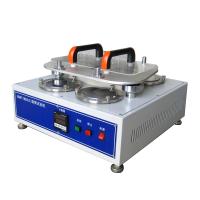
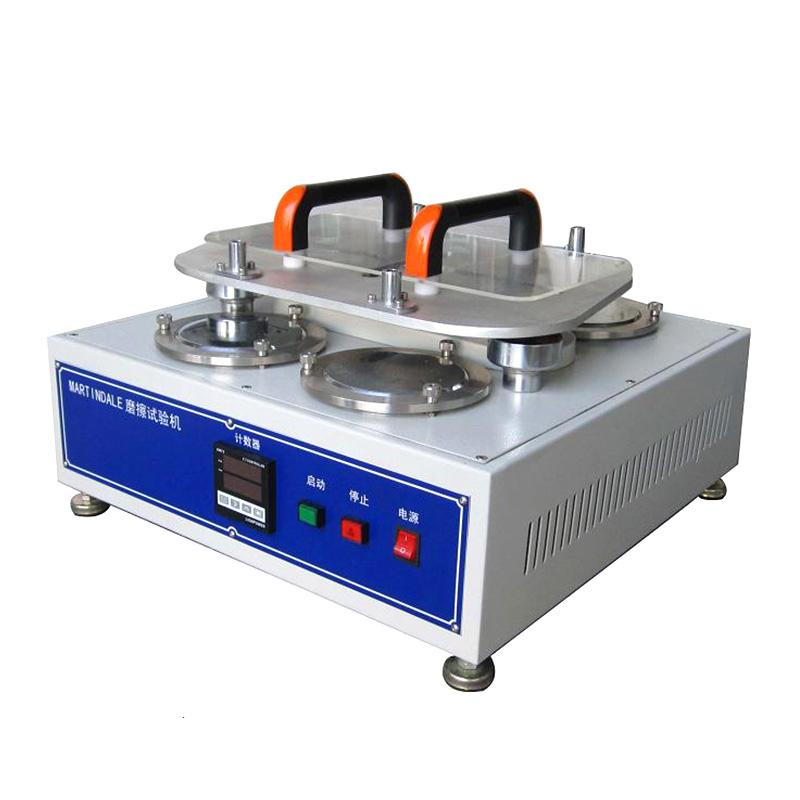
Pilling Test – Pilling is common in natural fabrics. Fabrics such as cotton tend to pill because the fabric structure is unchanged. Therefore, this pilling does not pose a significant health risk. But you can't predict your child's behavior. There are loose threads and lint accumulated on the fabric due to pilling. Children tend to put everything in their mouths and they may try to eat these lint balls, or the lint can cause rashes on sensitive skin. Machines like the Martindale Abrasion Tester help in assessing this performance of garments.
It's all about kids clothing. Extensive testing was done on clothing and accessories. As with shoes, test for slip resistance. For accessories, beads and jewelry are attached, which can create dangerous edges when broken. If the manufacturer follows the testing standards issued by the regulatory agency, the list of tests is long. Of these , some are marked as mandatory for every clothing and accessory manufacturer. This can increase overall production costs, and it keeps consumers child-safe by offering a tried and tested design.