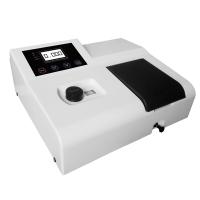
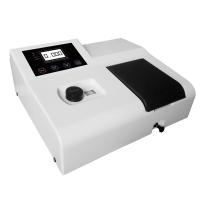
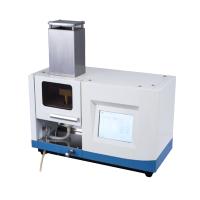
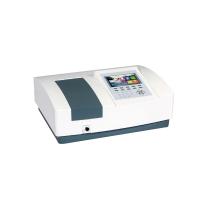
Printing on metal and mirror products is an increasingly popular task as manufacturers, designers and brand owners are always striving to find something new to add intensity and interest to the product. Producing elegant and attractive metallic images using translucent inks on metal plates presents a formidable color measurement challenge for manufacturers. There are many testing devices available for measuring the color uniformity of painted metal products.
Types of Colorimeters
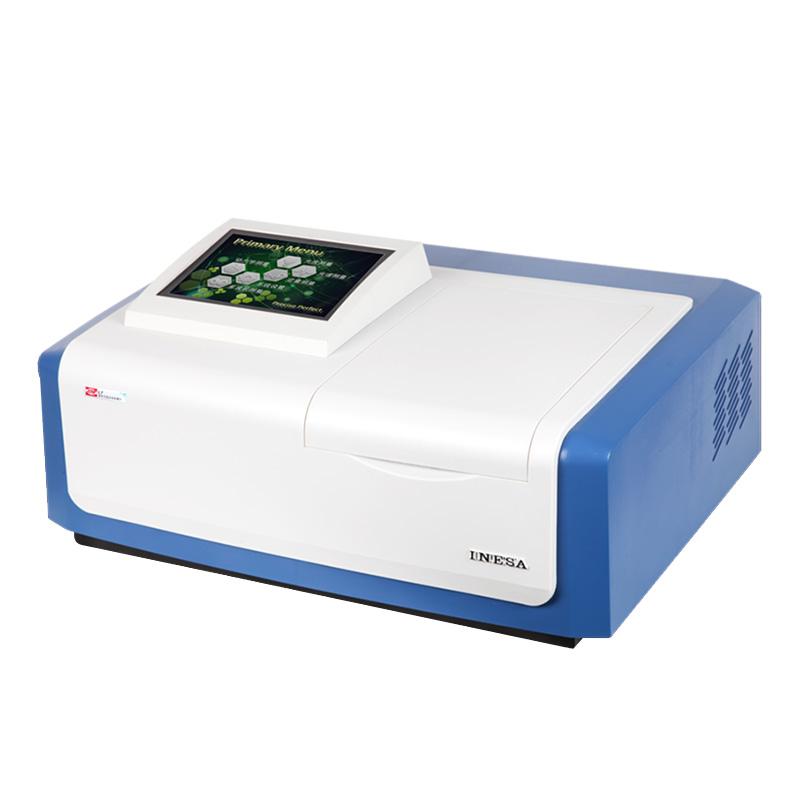
The color Measurement Instrument favored by manufacturers in all production verticals today is the Spectrophotometer . There are currently two types of Spectrophotometer s used in the printing and packaging industry, namely
spherical Spectrophotometer /8 providing diffuse illumination radiation,
Traditional Spectrophotometer /45 providing 0 illumination irradiance.
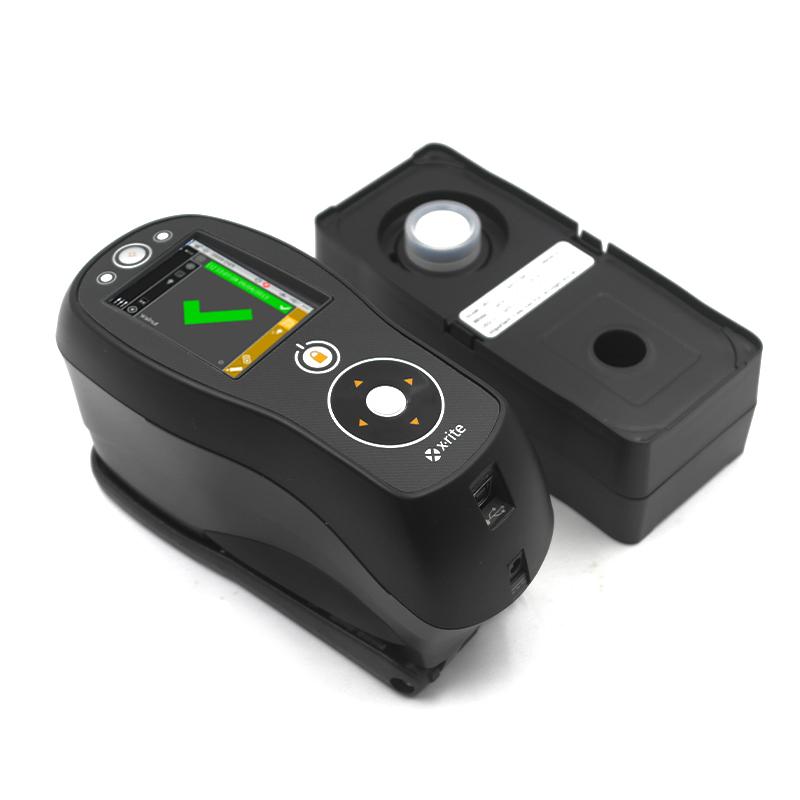
In addition to these Spectrophotometer s, another type of Spectrophotometer is the multi-angle Spectrophotometer . These instruments are widely used in paint and plating and paper, and packaging industrial production applications to measure the color consistency of metallic inks or paints. But the basic instrument that manufacturers usually use to measure color in a test lab has 45 illuminance.
In terms of measurement geometry, the first thing to consider is the angle of illumination and the second thing to consider in terms of the instrument's view from the specimen to obtain the result. This leads to the conclusion that in a 45 illumination instrument, the illumination will shine at an angle of 45 degrees to the specimen surface, while the Detector of the instrument receives reflected light at an angle of 0 to the object
perpendicular to the vertical surface.
On the other hand, spherical color measurement Spectrophotometer s provide diffuse reflection/8 illumination radiation to illuminate the sample from all directions, and Detectors receive angle 8 reflected light from the object surface. This geometric term is called spherical geometry because the instruments are lined with an extremely reflective substance that provides light and diffuses it from the surface of the specimen.